



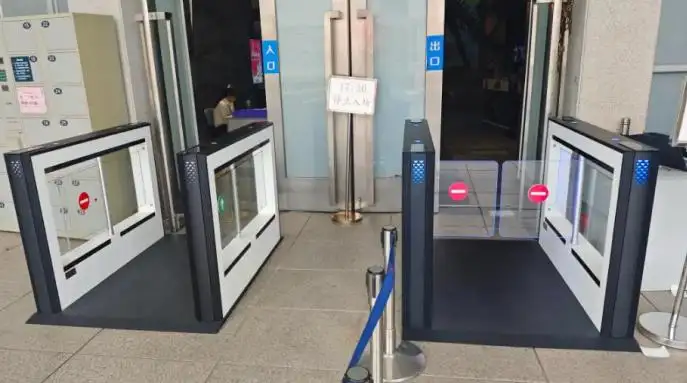
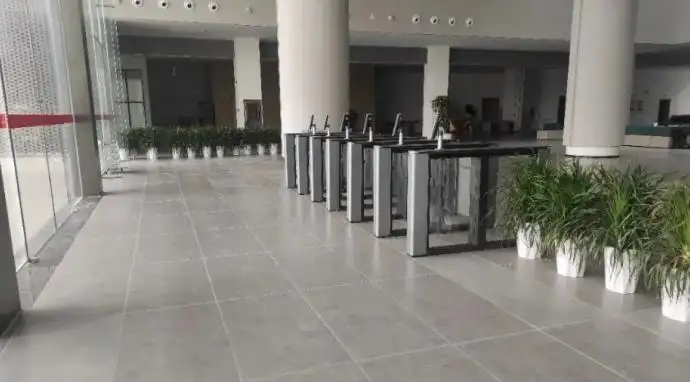
Fast Access Speed Gates in the Middle East: Modern Security Solutions
2025-10-27


The Middle East stands as a region undergoing breathtaking transformation. Driven by ambitious national visions, economic diversification, and a desire to create world-leading infrastructure, nations across the Gulf and beyond are reshaping their skylines and urban landscapes. Iconic skyscrapers pierce the desert sky, state-of-the-art airports welcome global travelers, smart cities rise from the sand, and luxurious resorts redefine hospitality. Central to this development is the critical need for advanced security solutions that can manage the flow of people efficiently, securely, and seamlessly within these prestigious, often high-traffic environments.
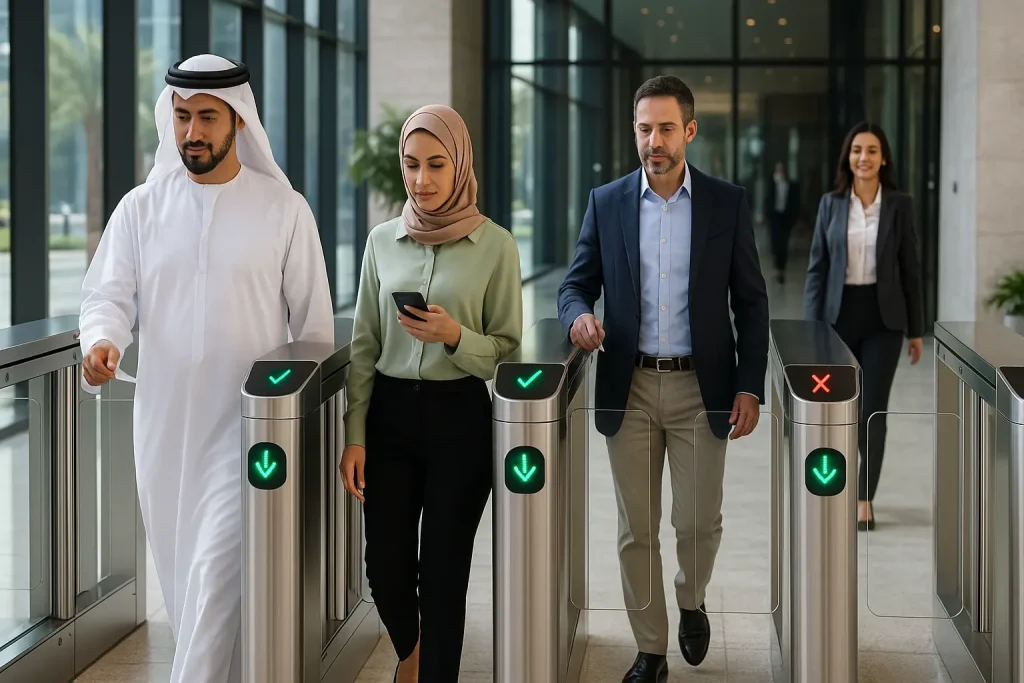
Traditional access control methods often fall short in the face of these demands. The sheer scale of development, the convergence of international populations, the stringent security requirements, and the unique environmental challenges necessitate a more sophisticated approach. This is where the Middle East fast access speed gate emerges as an essential technology.
These are not generic barriers; they are intelligent, high-performance systems specifically engineered or adapted to thrive in the demanding context of the Middle East. They must deliver exceptional speed, incorporate cutting-edge technologies often favored in the region (like biometrics), withstand extreme climatic conditions, meet rigorous security standards, and frequently boast premium aesthetics befitting landmark properties. This guide provides an expert, in-depth exploration of these vital systems, tailored for the unique characteristics of the Middle East market.
What Defines a "Middle East Fast Access Speed Gate"?
A Middle East fast access speed gate is an automated pedestrian barrier system specifically designed or adapted to deliver high-speed throughput while meeting the distinct security, technological, aesthetic, and environmental resilience requirements prevalent in modern facilities across the Middle East region.
While leveraging core speed gate technologies seen in other Regional Markets, solutions deployed in the Middle East often exhibit specific traits driven by local factors:
- Emphasis on Speed & Technology: High demand for rapid processing (high PPM) coupled with strong adoption rates for advanced credentials like facial recognition and mobile access.
- Premium Aesthetics: A significant focus on high-quality materials, bespoke finishes (including gold, bronze), and designs that integrate seamlessly into luxurious architectural environments.
- Environmental Hardening: Non-negotiable requirement for robust construction and component selection to ensure reliable operation in extreme heat, humidity, dust, and sand.
- High Security Integration: Often requires deep integration with sophisticated central security monitoring platforms and adherence to specific governmental security directives.
- Smart Building Focus: Designed for connectivity and integration within the advanced smart building and smart city ecosystems rapidly developing across the region.
It represents a fusion of high performance and resilience, tailored for the ambitious scale and specific challenges of Middle Eastern development.
Why Are Fast Access Gates Crucial Across the Middle East?
Fast access gates are crucial in the Middle East due to the region's construction boom creating high-density, high-profile buildings, a strong governmental and private sector focus on implementing state-of-the-art security, the need to efficiently manage large flows of diverse international populations (residents, workers, tourists), harsh environmental conditions demanding robust solutions, and a cultural expectation for seamless, technologically advanced, and often luxurious experiences.
The specific drivers in the Middle East are potent:
- Iconic Developments & High Density: Mega-projects, supertall towers, vast malls, and expansive airports necessitate automated systems capable of handling immense pedestrian volumes without compromising flow or security. Consider the demands within specific hubs like the UAE speed gate access control turnstile market or the requirements for a Saudi Arabia pedestrian speed gate system in new giga-projects.
- Security as a Priority: Regional security considerations place a high premium on robust physical access control. Fast, reliable, and intelligent gates provide a critical layer of defense for valuable assets and public safety.
- Managing Diverse Populations: Facilities must efficiently process employees, residents, tourists, and event attendees from around the globe, often requiring support for multiple credential types and intuitive interfaces.
- Climate Resilience Imperative: Standard gates designed for temperate climates often fail prematurely under the stress of Middle Eastern heat, humidity, and dust. Purpose-built or specifically adapted hardware is essential for reliability.
- The "Wow" Factor & Efficiency: In a region competing on the global stage for investment, tourism, and talent, building entrances must project an image of sophistication, security, and effortless efficiency. A Middle East fast access speed gate is often expected to contribute to this high-end experience. A solution for a landmark Qatar smart entrance speed gate turnstile installation, for example, would likely prioritize both advanced tech and premium aesthetics.
How Does a Fast Access Speed Gate Operate in the Middle East?
In the Middle East, a fast access speed gate typically validates identity using advanced credentials favored in the region (facial recognition, secure mobile apps, encrypted smart cards), communicates instantly with integrated access control platforms via secure networks, receives authorization, drives premium barriers at high speed using robust motors, and employs intelligent sensors tuned for local conditions to ensure secure passage.
The typical flow emphasizes speed, often touchless interaction, and reliability:
- Approach: User nears the gate, often featuring high-end finishes like polished steel, bronze, or integrated stone.
- Credential Presentation (Often Frictionless):
- Facial Recognition: High adoption rates mean users often just look at an integrated camera for sub-second verification.
- Mobile (BLE/NFC): Using smartphone apps for hands-free (BLE) or tap-and-go (NFC) access is increasingly common.
- Secure RFID: Tapping high-frequency (13.56 MHz) encrypted cards or fobs remains a reliable standard. Integration with national ID cards might also be relevant in specific contexts.
- Rapid Validation: Secure, high-speed communication (IP-based, encrypted) with the building's Access Control System (ACS), which could be on-premise for high-security sites or cloud-based for scalability.
- Integrated Command: If authorized, the ACS sends the "open" command. In the region's prevalent smart buildings, this often triggers simultaneous actions like elevator calls or personalized environmental adjustments.
- Swift, Quiet Actuation: Powerful, high-quality brushless DC motors, chosen for durability in heat, open the barriers (often flaps for speed, or elegant swings) smoothly and near-silently.
- Intelligent Sensor Monitoring: Sophisticated sensor arrays, potentially using AI algorithms trained to account for regional attire (abayas, kanduras) and common accessories (luggage), track passage, prevent tailgating with high accuracy, and ensure user safety.
- Secure Closure & Data: Barriers close immediately after safe passage. Transaction data is securely logged and often fed into central security or building management platforms.
My Experience: "Tuning sensors for Middle East deployments requires specific expertise. We had a project in Riyadh where standard anti-tailgating logic was causing false alarms due to the flowing nature of traditional attire. We had to work with the manufacturer to deploy firmware with updated algorithms specifically trained to differentiate between a single person in an abaya and two people attempting to tailgate. Getting this 'regional tuning' right is crucial for user acceptance and effective security."
Key Technologies Driving Middle East Speed Gate Solutions
The Middle East market often acts as an early adopter, demanding and leveraging the latest access control technologies. Key drivers include advanced biometrics, seamless mobile access, robust environmental hardening, deep smart building integration, and AI-enhanced features.
Advanced Biometrics (Especially Facial Recognition)
- Regional Acceptance: Generally higher acceptance and governmental support for biometrics compared to regions with stricter privacy frameworks like Europe (e.g., contrasting with needs for a
Germany high-throughput speed-gate-pedestrian-accesssystem). - Frictionless Ideal: Facial recognition aligns perfectly with the desire for seamless, touchless, high-end user experiences.
- Performance: AI-powered algorithms deliver the speed and accuracy required for high-volume environments common in the region's hubs.
Seamless Mobile Credentials (BLE & NFC)
- High Smartphone Penetration: Makes mobile access a highly convenient and expected feature.
- Hands-Free Preference: Bluetooth Low Energy (BLE) for "phone-in-pocket" access is particularly popular, enhancing the seamless experience.
- Security: Modern platforms offer strong encryption and multi-factor authentication options.
Environmental Hardening Technologies
- High-Temperature Components: Use of industrial-grade electronics rated for extended operation in ambient temperatures often exceeding 50°C.
- IP Ratings: High Ingress Protection ratings (IP54, IP65+) are essential to seal against pervasive dust, sand, and humidity.
- Corrosion Resistance: Use of 316L stainless steel, appropriate coatings, and sealed bearings is critical, especially in coastal cities like Dubai or Doha.
- Cooling Systems: Integrated heat sinks or active fan cooling for electronics within pedestals may be necessary in extreme installations.
Deep Smart Building/City Integration
- API-Driven Connectivity: Gates must offer robust APIs to connect with sophisticated Building Management Systems (BMS), elevator destination dispatch, Visitor Management Systems (VMS), integrated security platforms (PSIM), and potentially smart city dashboards. This level of integration is often standard in new Middle Eastern developments.
- Cloud Platforms: Increasing use of scalable cloud-based access control platforms (ACaaS) for managing large portfolios and facilitating integration.
AI-Enhanced Sensors & Analytics
- Improved Accuracy: AI helps sensors differentiate accurately in complex environments, reducing false alarms and enhancing security effectiveness.
- Predictive Maintenance: AI analyzing motor performance, sensor health, and cycle counts enables proactive maintenance, crucial for ensuring uptime in critical facilities.
- Flow Analytics: Data from intelligent gates feeds into building analytics platforms, optimizing operations and user experience.
Popular Gate Types & Design Philosophy in the Middle East
While flap barrier gates are often chosen for maximum speed in high-traffic areas, swing barrier gates are frequently preferred for their elegance in luxury environments. A defining characteristic is the extreme emphasis on premium aesthetics and customization, often exceeding standards seen elsewhere.
- Flap Barriers (The Speed & Tech Choice): Excellent for airports, metro stations linked to buildings, large corporate lobbies, and malls where maximizing passenger throughput is critical. Their modern look fits well with futuristic architecture. Many Dubai high-speed speed gate installations favor flaps.
- Swing Barriers (The Luxury Choice): Widely used in 5-star hotels, prestigious residential towers, high-end corporate offices, and government ministries. Their smooth motion and potential for customization with luxurious materials align with the region's focus on premium design. A sophisticated Qatar smart entrance speed gate turnstile might well be a swing type.
- Design Philosophy: Bespoke Elegance: Unlike more standardized Regional Markets, Middle East projects often demand significant customization. This isn't just about choosing a finish; it can involve:
- Unique Materials: Specifying marble, granite, onyx, specific wood veneers, or even semi-precious stone inlays for top lids or cladding.
- Architectural Metals: Using bronze, brass, or custom PVD coatings (Physical Vapor Deposition) for gold, rose gold, black chrome, or other metallic effects on stainless steel components.
- Bespoke Lighting: Intricate, programmable LED lighting schemes integrated into the gate design for dramatic effect.
- Custom Dimensions: Sometimes requiring non-standard heights or widths to match specific architectural features. The gate is treated as a high-end furnishing, an integral part of the interior design statement.
- Optical Turnstiles: Optical turnstiles are sometimes used in highly supervised luxury settings (e.g., exclusive hotel club lounges) for maximum openness, but the preference often leans towards the tangible security and technological statement of barrier gates.
Security & Compliance in the Middle East Context
Security is a paramount concern across the region. Middle East fast access speed gate solutions must provide high levels of physical deterrence, extremely reliable anti-tailgating capabilities, seamless integration with centralized command-and-control security systems (often mandated), and adherence to specific regulations from bodies like Ministries of Interior or Civil Defence authorities.
- Robust Physical Security: Demand for sturdy construction, tamper resistance, and potentially taller barrier options is common.
- Zero-Tolerance Anti-Tailgating: Systems need the most advanced sensor packages, often with AI enhancement, to ensure extremely high accuracy in preventing unauthorized passage. Reliability is key.
- Centralized Security Integration: Gates frequently need to report alarms and status in real-time to sophisticated Security Operations Centers (SOCs) or platforms mandated by local security agencies (e.g., SIRA in Dubai, MOI directives in other nations).
- National ID Integration: The potential requirement to integrate readers compatible with national ID cards (like Emirates ID, Saudi Absher, Qatar Hayya card contexts) for certain high-security or governmental applications must be considered.
- Civil Defence Compliance: Strict adherence to local Civil Defence regulations regarding fire alarm integration and emergency egress (fail-safe operation) is mandatory and requires specific certifications and inspections.
Addressing the Harsh Climate: Engineering for Resilience
The Middle East's climate – extreme heat, high humidity, pervasive dust, and occasional sandstorms – poses a severe test for any electromechanical system. Speed gates must be specifically engineered or selected with environmental hardening features to ensure long-term reliability.
My Experience: "We had a project near the coast in Saudi Arabia. Within months of installing standard stainless steel gates, we saw early signs of pitting corrosion due to the high salinity and humidity, despite regular cleaning. For the next phase, we mandated marine-grade 316L stainless steel and enhanced sealing (IP65) for all components. It added cost, but it was essential for ensuring the system's lifespan in that specific microclimate. You cannot underestimate the environmental factor in the Gulf."
Key Environmental Considerations for a Saudi Arabia pedestrian speed gate system or similar deployments:
- High-Temperature Rated Electronics: Crucial for preventing failures during summer peaks.
- Effective Sealing (IP Rating): IP54 minimum, often IP65 or higher needed, especially for semi-outdoor locations or areas prone to fine dust ingress.
- Corrosion Resistance: 316L stainless steel, appropriate protective coatings, sealed bearings.
- Dust Mitigation: Design features that minimize dust accumulation on sensors and mechanisms. Enhanced cleaning protocols are often necessary.
- Potential Cooling: Active or passive cooling solutions for electronics in pedestals exposed to extreme direct sunlight or high ambient temperatures.
Installation, Local Support & Lifecycle
Successful deployment demands skilled local installation teams familiar with regional codes and practices. Given the critical function and advanced technology, prompt, expert local technical support and a proactive maintenance strategy are non-negotiable for ensuring uptime and system longevity.
- Local Code Expertise: Installers must be fully versed in local Civil Defence (fire/egress), electrical (e.g., DEWA/SEWA/Kahramaa), and potentially specific security agency requirements.
- Quality Installation: Precision alignment, secure anchoring, proper sealing, and meticulous network integration are crucial, especially with high-end finishes.
- Rapid Local Support: Access to qualified technicians based within the region who can respond quickly (often within hours) is vital for minimizing downtime. Relying solely on remote support from Europe or Asia is often insufficient. Strong local partners or direct manufacturer presence is key.
- Preventive Maintenance: Regular scheduled maintenance, including thorough cleaning (especially sensors), lubrication, calibration, and firmware checks, is essential to combat the harsh environment and ensure peak performance.
Future Trends: AI, Smart Cities, Hyper-Personalization
The future for Middle East fast access speed gate solutions involves even deeper integration of Artificial Intelligence, the potential for ubiquitous and seamless biometric identification, hyper-personalized building experiences triggered by access, and alignment with the region's ambitious smart city visions.
- AI-Driven Predictive Security & Flow: AI will move beyond basic detection to predict lobby congestion based on event schedules or flight arrivals, dynamically adjust gate parameters, and identify subtle behavioral anomalies indicating potential security risks.
- Ubiquitous Frictionless Biometrics: Facial recognition is likely to become the de facto standard, potentially augmented by other contactless biometrics, creating completely seamless journeys integrated across multiple facilities and services (e.g., airport to hotel to office). This contrasts with the more cautious biometric adoption in places like the USA speed gate turnstile market.
- Hyper-Personalization: Authenticating via the gate could trigger highly personalized settings within the building – preferred lighting, temperature, digital content displays, and automated service requests, reflecting the region's focus on bespoke experiences.
- Smart City Integration: Gate systems in major developments will increasingly feed anonymized data into broader smart city platforms managing traffic, public safety, resource allocation, and large-scale event logistics, aligning with national visions in countries like the UAE and Qatar.
The Final Verdict: Intelligent Gateways for a Visionary Region
The Middle East fast access speed gate is a critical enabling technology for the region's extraordinary development trajectory. It embodies the convergence of high-speed performance, cutting-edge technology, robust security, environmental resilience, and often breathtaking aesthetics. These systems are far more than mere barriers; they are intelligent, connected gateways engineered to manage the flow of people within some of the world's most ambitious architectural and urban projects.
By embracing innovation, particularly in biometrics and smart integration, demanding premium quality and customization, and engineering solutions resilient enough for the challenging climate, the Middle East continues to set global benchmarks for modern access control. These intelligent systems are not just securing buildings; they are enhancing experiences and contributing to the vision of smarter, safer, and more efficient cities across the region, clearly distinguishing the market's needs from those in Europe (like a standard Europe commercial building speed gate solution) or parts of Asia (such as typical Asia-Pacific speed gate access control solution requirements).
