



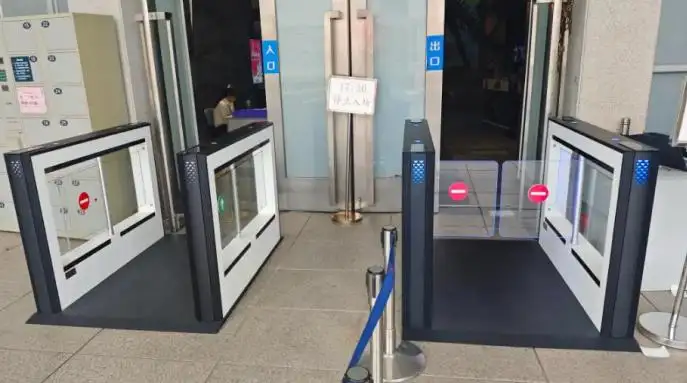
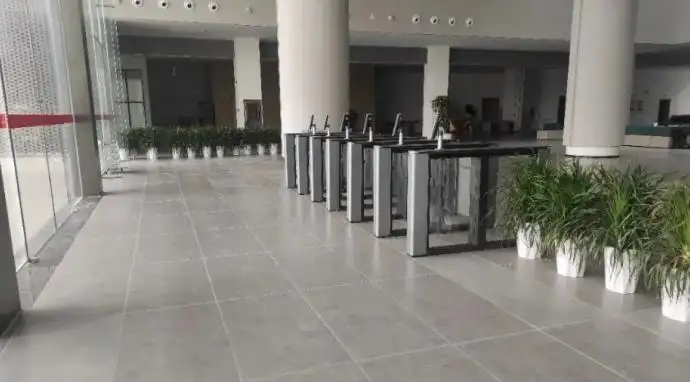
Saudi Arabia Pedestrian Speed Gate Systems for Secure Facilities
2025-10-27


Saudi Arabia is undergoing a period of unprecedented transformation. Guided by the ambitious Vision 2030, the Kingdom is rapidly diversifying its economy, investing heavily in futuristic giga-projects like NEOM and the Red Sea Project, developing smart cities, and modernizing its infrastructure across all sectors. Central to this vision is the creation of secure, efficient, and technologically advanced environments capable of supporting economic growth and enhancing quality of life. In this context, managing the movement of people – employees, residents, visitors, pilgrims – within these evolving facilities is a critical challenge requiring state-of-the-art solutions.
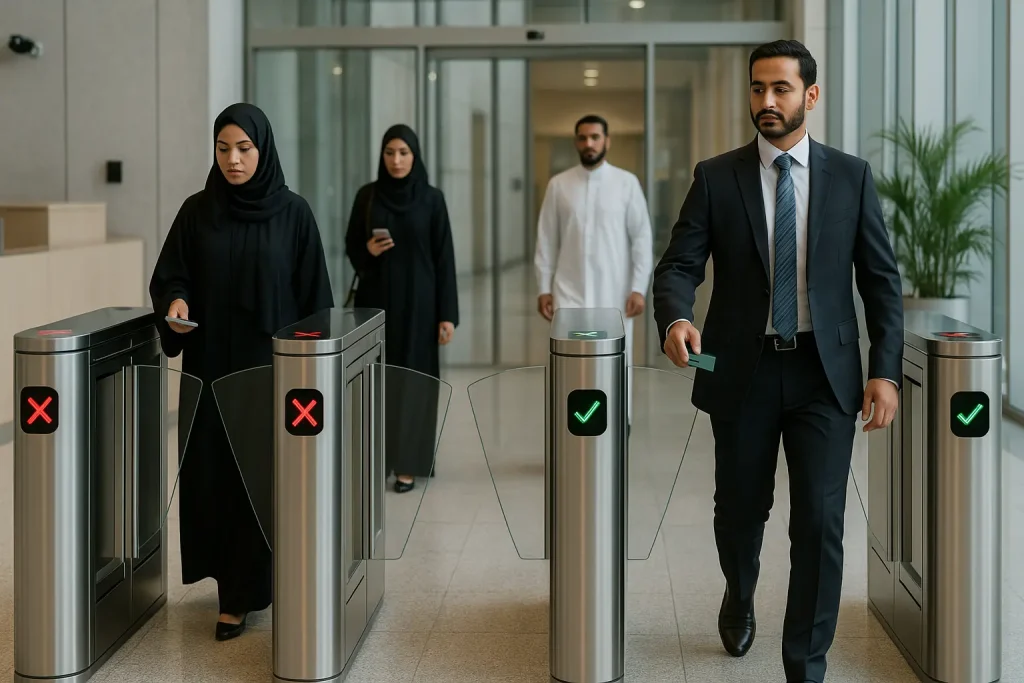
Traditional methods of access control are often inadequate for the scale, security demands, and technological aspirations of modern Saudi Arabia. Manual checks cannot cope with high volumes, basic locks offer insufficient protection for critical assets, and outdated systems fail to integrate with the smart ecosystems being built across the Kingdom. This necessitates the adoption of intelligent, automated solutions: the Saudi Arabia pedestrian speed gate system.
These systems represent more than just automated barriers; they are integral components of a modern security infrastructure, specifically engineered and implemented to meet the unique requirements of the Kingdom. They must deliver robust security, manage high throughput efficiently, comply with stringent national security directives (like those from the High Commission for Industrial Security - HCIS), withstand demanding environmental conditions, integrate seamlessly with advanced technologies, and often reflect the high aesthetic standards of prestigious new developments. This guide provides an expert, comprehensive exploration of these vital systems within the specific context of Saudi Arabia.
What Defines a "Saudi Arabia Pedestrian Speed Gate System"?
A Saudi Arabia pedestrian speed gate system is an automated physical barrier solution specifically designed, certified, installed, and maintained to meet the distinct security protocols (e.g., HCIS directives), operational needs, technological landscape, environmental challenges, and compliance requirements prevalent in facilities across the Kingdom of Saudi Arabia (KSA).
While utilizing core speed gate technologies seen in other global Regional Markets, solutions deployed in KSA require specific adaptations that reflect national priorities:
- Security & Compliance Focused: Extremely high emphasis on robust security features and strict adherence to directives from bodies like the HCIS, which often mandate specific technical standards and integration capabilities exceeding typical commercial requirements.
- Vision 2030 Alignment: Integration with smart city platforms, national digital identity initiatives (like Absher or Tawakkalna, where applicable), and technologies supporting the Kingdom's digital transformation goals.
- Environmental Resilience: Engineered to withstand the extreme heat, dust, sandstorms, and sometimes humidity characteristic of the Saudi climate.
- Technological Integration: Strong support for advanced credentials (including biometrics, potentially linked to national databases) and seamless integration with sophisticated Access Control Systems (ACS) and Physical Security Information Management (PSIM) platforms.
- Scalability: Ability to support the massive scale of giga-projects and rapidly expanding urban infrastructure.
- Local Support & Expertise: Necessity of working with vendors and integrators possessing deep knowledge of Saudi regulations, business practices, and capable of providing reliable in-Kingdom support.
It signifies intelligent access control engineered not just for efficiency, but as a critical component of national security and development infrastructure.
Why Are Speed Gates Crucial for Saudi Arabia's Secure Facilities?
Speed gates are crucial in Saudi Arabia due to the Kingdom's paramount focus on national and industrial security, the massive scale of ongoing development projects (giga-projects, smart cities) requiring high-throughput access, the need to manage large flows of workers, residents, and visitors securely, stringent compliance mandates (HCIS), demanding environmental conditions, and the drive to implement cutting-edge smart technologies aligned with Vision 2030.
The specific drivers in KSA are compelling:
- National & Industrial Security (HCIS): Protecting critical infrastructure (oil & gas, utilities, transport), government buildings, major economic zones, and crowded public spaces is a top national priority. The High Commission for Industrial Security (HCIS) often sets stringent standards for physical security, including access control, which automated gates help meet reliably. Compliance is frequently non-negotiable for operational licenses. This level of oversight often exceeds typical commercial needs seen even in nearby hubs requiring a UAE speed gate access control turnstile.
- Managing Giga-Project Scale: Developments like NEOM involve constructing entire cities and industrial zones. Managing secure access for potentially millions of residents and workers requires highly scalable, efficient, automated solutions like speed gates integrated into a unified security framework.
- Smart City Implementation: Vision 2030 heavily emphasizes smart cities. Intelligent speed gates, capable of data communication and integration with city-wide platforms, are essential components of this vision, enabling smarter traffic management, security monitoring, and resource allocation.
- Efficiency & Modernization: Automating access control replaces inefficient manual checks, optimizes security staffing, reduces queues, and projects the modern, technologically advanced image central to Vision 2030.
- Climate Resilience: Ensuring security and operational continuity despite extreme heat and dust requires hardware specifically designed or adapted for these conditions, unlike solutions suitable for milder climates found in the Europe commercial building speed gate solution market.
- Diverse User Management: Securely managing access for a diverse population including Saudi nationals, expatriate workers across various sectors, international business visitors, and potentially pilgrims (in specific contexts) requires flexible and robust systems.
How Do Speed Gate Systems Operate within the KSA Context?
In Saudi Arabia, speed gate systems typically validate credentials – often secure RFID cards, increasingly biometrics (potentially linked to national ID databases like Absher under specific regulations), or mobile apps – via readers integrated into environmentally hardened gates. Validation occurs against secure ACS platforms (often requiring robust on-premise or locally hosted cloud solutions adhering to KSA data laws). Upon authorization, barriers open rapidly, while advanced sensors ensure secure, single passage, logging events according to HCIS or other relevant compliance standards.
The process prioritizes security, compliance, and reliability:
- Credential Presentation: User presents credential. Common KSA options include:
- Secure RFID (13.56 MHz): Widely used (MIFARE DESFire, iCLASS).
- Biometrics (Fingerprint/Facial): High adoption potential, often preferred for identity assurance, especially where linked to government databases or required by HCIS for certain facilities. Implementation must comply with KSA data privacy regulations.
- Mobile Credentials (NFC/BLE): Growing adoption, particularly in new smart developments and corporate sectors.
- National ID / Iqama: Potential for integration in specific regulated scenarios for high-assurance identity verification.
- Secure Validation: Reader communicates securely (OSDP highly recommended) with the Access Control System (ACS). Robust on-premise systems are common for high-security sites, while secure, locally hosted cloud or hybrid solutions are gaining traction, ensuring compliance with Saudi data localization requirements (CITC regulations).
- Permission Check & Compliance: ACS verifies permissions based on roles, security clearances, and potentially HCIS directives. Logging must meet stringent audit requirements.
- Open Command: Authorized command sent securely to the gate controller. Integration with higher-level PSIM platforms is common in critical infrastructure.
- Gate Actuation: Robust, high-torque motors suitable for potentially heavy barriers or demanding environments activate (swing, flap, or potentially sliding types for higher security). Clear visual indicators are essential.
- Passage Monitoring (High Security): Advanced sensor arrays with sophisticated logic (potentially AI-enhanced) rigorously track passage, ensuring extremely reliable anti-tailgating, anti-passback, and direction control. Sensor performance in dusty conditions is critical.
- Compliant Closure & Logging: Gate closes securely. Event logged with detailed information required for security audits and potential reporting to regulatory bodies, adhering to KSA data laws.
My Experience: "Implementing a speed gate system for a critical infrastructure site subject to HCIS directives in Saudi Arabia was a meticulous process. It wasn't just about choosing a gate; it involved detailed security risk assessments, specifying multi-factor authentication (card + biometric), ensuring the ACS software had specific HCIS-compliant reporting modules, using cyber-hardened network components, and undergoing rigorous site acceptance testing witnessed by HCIS representatives. The level of scrutiny and required integration far exceeded a typical commercial project. You absolutely need vendors and integrators with proven HCIS compliance experience."
Key Technologies & Features for Saudi Arabia Speed Gates
Solutions for a Saudi Arabia pedestrian speed gate system must prioritize extreme environmental resilience, high-security features (advanced sensors, MFA support), compliance with HCIS directives, integration with national ID systems (where applicable), robust construction, and strong local technical support.
Environmental Hardening (Non-Negotiable)
- Extreme Heat Tolerance: Components (electronics, motors, sensors) must be rated for continuous operation in ambient temperatures that can exceed 50°C (122°F). Internal cooling or specialized component selection is often necessary.
- Dust & Sand Resistance: High IP ratings (IP54 minimum, often IP65+) are essential to protect against fine airborne dust and sand ingress, which can rapidly degrade sensors and mechanical parts. Sealed enclosures, filtered ventilation (if used), and robust mechanical designs are key.
- Humidity/Corrosion Resistance: Relevant in coastal areas (Jeddah, Dammam). Use of 316L stainless steel and appropriate coatings is advisable.
High-Security Features
- Advanced Anti-Tailgating: Sophisticated sensor arrays (high-density IR, potentially 3D/ToF) with intelligent logic tuned for accuracy in demanding conditions are crucial.
- Multi-Factor Authentication (MFA) Support: Integration points for biometric readers (fingerprint, facial, iris) and PIN pads alongside secure card/mobile readers are often required, especially for HCIS compliance.
- Robust Physical Construction: Heavy-gauge steel, reinforced barriers (potentially taller than standard), tamper detection, and secure anchoring are expected for critical facilities.
- Secure Communication: Use of encrypted protocols like OSDP between readers and controllers, and secure network protocols (TLS/SSL) for communication with central servers, is vital. Cybersecurity hardening of gate controllers is important.
Compliance & Integration Focus
- HCIS Compliance: Systems may need specific certifications, reporting capabilities, or integration features mandated by HCIS for regulated industrial sectors (oil & gas, petrochemicals, utilities, etc.).
- National ID Integration: Potential requirement or capability to integrate readers/software that can verify identity using the Saudi National ID or Iqama, often involving specific SDKs or government APIs.
- Smart City/Vision 2030 Alignment: Open APIs and standard protocols (MQTT, BACnet/IP) for integration with broader smart building (BMS/PSIM) and potentially smart city platforms being developed under Vision 2030.
Local Support Infrastructure
- In-Kingdom Presence: Availability of trained technicians, spare parts inventory, and support services within Saudi Arabia is critical for minimizing downtime, especially for critical infrastructure or remote giga-projects.
Popular Gate Types in Saudi Arabian Facilities
The choice often depends on the required security level and throughput. Flap barrier gates are common for balancing speed and security in modern buildings. Swing barriers offer aesthetics and accessibility. Full-height turnstiles and mantrap portals are used for maximum security applications, frequently mandated by HCIS for sensitive perimeters or zones.
- Flap Barriers (The Efficiency Choice): Widely used in new corporate offices, airports, metro systems, and commercial centers where efficiently managing high volumes is key. Their speed and modern look align with Vision 2030 aesthetics. Many Middle East fast access speed gate deployments utilize flaps.
- Swing Barriers (The Aesthetic & Accessible Choice): Found in prestigious corporate HQs, government ministries, hotels, and universities where a more elegant design and seamless accessibility (for ADA/local equivalents) are important. Often feature premium finishes.
- Full-Height Turnstiles (The Perimeter Guardian): Frequently mandated by HCIS for securing external perimeters, fence lines, or access to industrial zones. Provide maximum physical deterrence against intrusion. Robustness is key.
- Mantrap Portals / Security Revolving Doors (The High-Assurance Entry): Used for controlling access to highly sensitive areas (data centers, control rooms, research labs) where ensuring absolute single-person passage is critical. Often incorporate biometrics and interlocking door logic. Slower throughput but maximum security.
- Optical Turnstiles: Less common in KSA for primary security due to the emphasis on physical barriers, but might be used in specific, highly supervised internal locations. See Optical turnstiles.
The security zoning defined by HCIS or the facility's risk assessment heavily influences the type of gate specified for each entry point.
Enhancing Security: The Saudi Imperative
A Saudi Arabia pedestrian speed gate system is a cornerstone of physical security, crucial for enforcing access policies rigorously, preventing unauthorized entry and tailgating (vital in high-risk environments), integrating multi-factor authentication for high assurance, and providing detailed, compliant audit trails required by security directives like HCIS.
- Strict Access Enforcement: Automated gates ensure only individuals with verified credentials and permissions gain entry, operating consistently 24/7. This is fundamental to HCIS compliance.
- Critical Tailgating Prevention: Advanced sensors provide a reliable method to detect and prevent unauthorized individuals following authorized personnel, a major vulnerability, especially in busy facilities.
- Multi-Factor Authentication (MFA) Platform: Gates provide the physical integration point for MFA readers (Card+PIN, Card+Biometric, Biometric+PIN), significantly increasing identity assurance compared to single-factor methods often sufficient in lower-risk Regional Markets.
- Compliant Audit Trails: Secure, detailed, and tamper-evident logs of all access attempts (granted/denied), alarms, and system events are essential for demonstrating compliance with HCIS and for forensic investigations. System logs may need specific formats or retention periods.
Boosting Efficiency & Aligning with Vision 2030
Beyond security, smart speed gates contribute significantly to operational efficiency and the modern image central to Saudi Arabia's Vision 2030. They maximize pedestrian throughput, reduce reliance on manual checks, enable seamless integration with smart building technologies, and provide data for optimizing facility operations.
- High Throughput for Scale: Essential for managing the large workforces at giga-projects, busy government ministries, or major transport hubs without causing inefficient delays.
- Staff Optimization: Automating routine access checks allows security personnel to focus on surveillance, rapid response, and managing exceptions, leading to more effective security deployment.
- Smart Building Integration: Gates act as key data points and actuators within integrated smart building platforms, sharing occupancy data to optimize energy (HVAC/lighting – supporting KSA's sustainability goals), manage elevators, and enhance overall building intelligence.
- Modern Image & User Experience: Sleek, fast, reliable, and often touchless (using biometrics or mobile) speed gates project the image of technological advancement and efficiency that aligns with Vision 2030's goals. This contrasts with potentially more basic systems found in markets like India.
Navigating Compliance in Saudi Arabia: HCIS, SASO, Data Laws
Compliance is paramount and often complex. Key considerations include adhering to specific HCIS security directives (where applicable), meeting SASO (Saudi Standards, Metrology and Quality Organization) requirements for product safety and certification, complying with local fire safety codes (Saudi Building Code - SBC), and navigating KSA's data protection regulations (PDPL).
HCIS (High Commission for Industrial Security)
- Critical Infrastructure Focus: Sets mandatory physical and cybersecurity standards for facilities deemed critical (oil/gas, utilities, ports, specific industrial zones, etc.).
- Specific Requirements: Directives may specify types of barriers (e.g., full-height turnstiles for perimeters), required levels of authentication (MFA often mandatory), integration with central security systems (PSIM), specific reporting formats, and vendor/product pre-qualification. My Experience: "You cannot guess HCIS requirements. You need the specific directive applicable to that facility type. We often work directly with the client's HCIS liaison and specialized consultants to ensure every aspect – from the gate hardware specs and installation method to the software configuration and alarm reporting – is fully compliant. Non-compliance can literally shut down operations."
SASO & Product Certification
- Products imported and sold in KSA generally require conformity assessment and certification through SASO's SABER platform, ensuring they meet relevant Saudi or international standards for safety and quality. Electrical components need specific approvals.
Saudi Building Code (SBC) & Fire Safety
- Egress Requirements: Gates in designated escape routes must comply with SBC requirements for fire resistance (where applicable), fail-safe operation upon fire alarm (integration required), clear passage widths, and potentially manual override mechanisms, subject to approval by Civil Defence.
Personal Data Protection Law (PDPL)
- Data Governance: Regulates the collection, processing, and storage of personal data, including access logs and biometric data. Key requirements involve consent (especially for sensitive data like biometrics), purpose limitation, data security measures, data localization (often requiring data to be stored within KSA), and respecting individual data rights. Implementing biometric access requires careful planning to ensure PDPL compliance.
Installation, Maintenance & Support: The KSA Imperative
Successful deployment demands experienced local installation teams deeply familiar with Saudi regulations (especially HCIS) and site conditions. Given the critical security function and harsh climate, robust, reliable hardware and responsive in-Kingdom maintenance and support are absolutely non-negotiable.
- HCIS-Experienced Installers: For regulated sites, using integrators and technicians vetted or approved by HCIS, or with demonstrable experience on HCIS projects, is often essential. They understand the specific documentation, testing, and approval processes required.
- Climate-Proof Installation: Technicians must use appropriate methods and materials (e.g., proper sealing, heat-rated cabling, secure mounting) to ensure longevity in the Saudi environment. Sensor calibration needs to account for potential dust and extreme light/heat conditions.
- The Absolute Need for In-Kingdom Support: My Strongest Advice: Given the critical nature of security in KSA and the potential logistical challenges, do not compromise on local support. Prioritize vendors with established, well-staffed service centers within Saudi Arabia (Riyadh, Jeddah, Dammam) capable of providing rapid (often same-day) response, holding local spare parts inventory, and understanding HCIS requirements. Relying on support from Dubai, Europe, or the USA is often inadequate for critical Saudi facilities.
Modular speed gate designcan greatly assist local serviceability if teams are properly trained and stocked.
Future Trends: Vision 2030 Integration, AI, Biometrics
The future for Saudi Arabia pedestrian speed gate system solutions involves deeper alignment with Vision 2030's smart city and digital transformation goals, wider adoption of advanced biometrics linked to national identity platforms, increased use of AI for predictive security and operational efficiency, and potentially greater emphasis on local manufacturing.
- Vision 2030 Smart Integration: Gates become key components in NEOM and other smart cities, integrating seamlessly with unified city operating platforms, autonomous transport systems, and digital identity frameworks (like Absher/Nafath).
- Ubiquitous Biometrics: Expect continued strong growth in facial recognition and potentially other biometrics, leveraging national ID databases (with appropriate controls) for high-assurance, frictionless access across government and commercial sectors, potentially surpassing adoption rates seen in the USA or Europe.
- AI for Security & Efficiency: AI enhancing sensor accuracy in harsh conditions, providing sophisticated behavioral analytics for threat detection (aligned with HCIS goals), optimizing pedestrian flow in mega-projects, and enabling predictive maintenance will be key.
- Local Manufacturing & Content (IKTVA): Government initiatives promoting local content (like Saudi Aramco's IKTVA program) may drive demand for speed gate solutions with higher levels of local assembly, manufacturing, or service components.
- Sustainability: Alignment with KSA's sustainability goals may lead to increased focus on energy-efficient gate operation and use of durable, long-lasting materials.
The Final Verdict: Secure Gateways for a Transforming Kingdom
The Saudi Arabia pedestrian speed gate system is a critical enabling technology for the Kingdom's ambitious development and security objectives under Vision 2030. These intelligent systems are far more than mere barriers; they are robust, compliant, and connected gateways engineered to meet the unique demands of KSA's critical infrastructure, modernizing cities, and demanding climate.
Success requires a deep understanding of the regulatory landscape (especially HCIS and PDPL), a commitment to high security standards, the selection of environmentally resilient and technologically advanced hardware (often including biometrics), seamless integration capabilities, and crucially, strong, reliable in-Kingdom support. By embracing these tailored solutions, Saudi Arabia can implement world-class access control that ensures security, enhances efficiency, and supports its journey towards a technologically advanced, secure, and prosperous future, setting specific requirements within the broader context of the Middle East fast access speed gate market.
