


Flap barrier gate price: 2026 Cost Guide & Buyer's Insights
2026-04-12


Flap barrier gate price points can vary wildly depending on the internal components and the quality of the finish you choose. Most project managers find that basic units start around $600, while high-performance systems for busy transit hubs can reach $4,000 per lane. Understanding why these prices differ helps you avoid overpaying for features you do not need. In this guide, we will break down every cost factor to help you make a smart purchase for your facility.
What determines the flap barrier gate price?
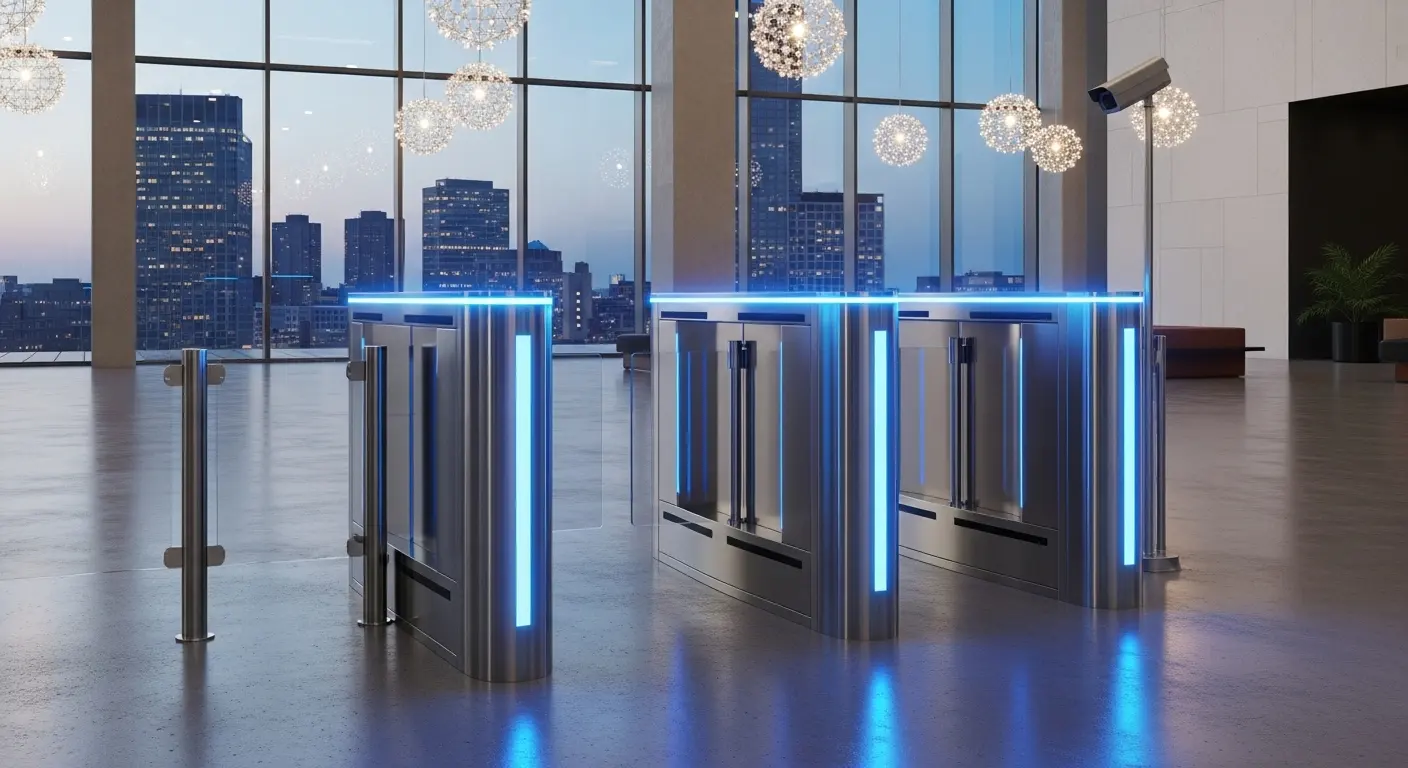
The first thing to look at is the quality of the steel. Most gates use 304-grade stainless steel. This is the industry standard for indoor use. But, if you are installing gates near a pool or the ocean, you need 316-grade steel. This upgrade prevents rust in salty air. The thicker the steel plates, the higher the flap barrier gate price. For instance, a 1.5mm frame is much more durable than a 1.0mm frame and naturally costs more.
Next, we must talk about the motor. You might find cheap gates with standard brushed motors. These are fine for low-use areas, but they wear out fast. Better units use brushless DC motors or high-end servo motors. These motors move the flaps quickly and quietly. Specifically, they handle thousands of cycles a day without overheating. While a servo motor adds to the initial cost, it saves money on repairs over the next five years.
Sensors are the third major factor. These are the "eyes" of the gate. They stop the flaps from closing on a person. Cheaper gates might only have three or four pairs of infrared sensors. High-security models often have ten or more pairs. More sensors mean better safety and better tailgating detection. In fact, the logic board that processes these sensor signals is a big part of the total cost.
Raw Material Selection and Cabinet Finish
The look of your gate affects the price just as much as the parts inside. A standard brushed finish is the most affordable. On the other hand, if you want a polished mirror finish or a custom color coating, the price goes up. Many modern offices now ask for black powder-coated finishes to match their interior design.
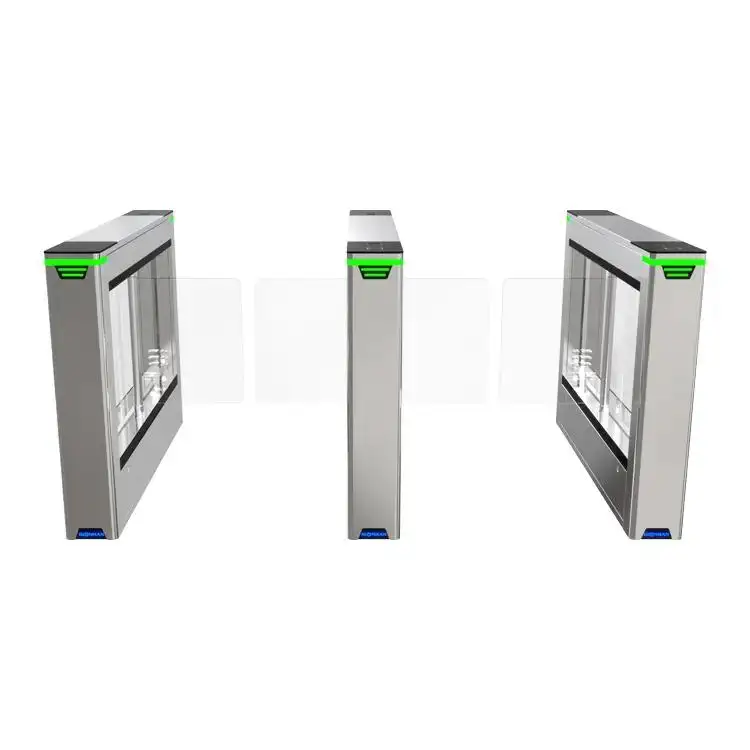
The flap material itself is another choice. Standard flaps are usually made of acrylic. They are light and fast. But, if you want a more premium look, you can choose tempered glass flaps. Glass is heavier and requires a stronger motor to move safely. As a result, choosing glass flaps will increase the flap barrier gate price compared to acrylic options.
Internal bracing also matters. A well-built gate has a reinforced internal frame to keep the motor steady. Without this, the gate will vibrate and make noise. When you look at a compact flap barrier gate, you are paying for the engineering required to fit all these parts into a smaller footprint without losing strength.
Motor and Logic Board Quality
The brain of the system is the control board. A high-quality board allows for many different settings. For example, you can change how fast the flaps open or how long they stay open. Advanced boards can also connect to fire alarm systems. In an emergency, they automatically open the flaps to allow people to leave the building quickly.
Motor torque is another technical detail. A motor with high torque can stop instantly if it hits an object. This is a vital safety feature. Cheap motors might struggle to stop fast enough, which can lead to accidents. Above all, a reliable motor ensures that your turnstile gate supplier won't have to send technicians for constant repairs.
| Component | Entry Level | Premium Level |
| Steel Grade | 201 or 304 (Thin) | 304 or 316 (Thick) |
| Motor Type | Brushed DC | Brushless or Servo |
| Sensor Pairs | 3 - 5 Pairs | 10 - 15 Pairs |
| Lifespan | 1-2 Million Cycles | 5-10 Million Cycles |
Breaking Down the Flap Barrier Gate Price Tiers
When you start shopping, you will see three main price groups. The first group is the budget tier. These units usually cost between $500 and $1,100. They are perfect for small gyms or temporary sites. They do the job of stopping people, but they might be noisy or lack advanced safety features.
The second group is the professional tier. This is where most businesses find their best value. Prices here range from $1,200 to $2,600. These gates are built for daily use in busy lobbies. They feature better sensors and a more attractive modular speed gate design. Most of these models come with long warranties because the manufacturers trust the parts inside.
The third group is the elite tier. These systems cost $3,000 or more per lane. They are often custom-made. You might see these in government buildings or luxury bank headquarters. They use the fastest motors and the most advanced sensors available. For instance, a Vietnam high-speed pedestrian turnstile gate is designed to move hundreds of people every hour without a single delay.
Professional Installation and Setup Costs
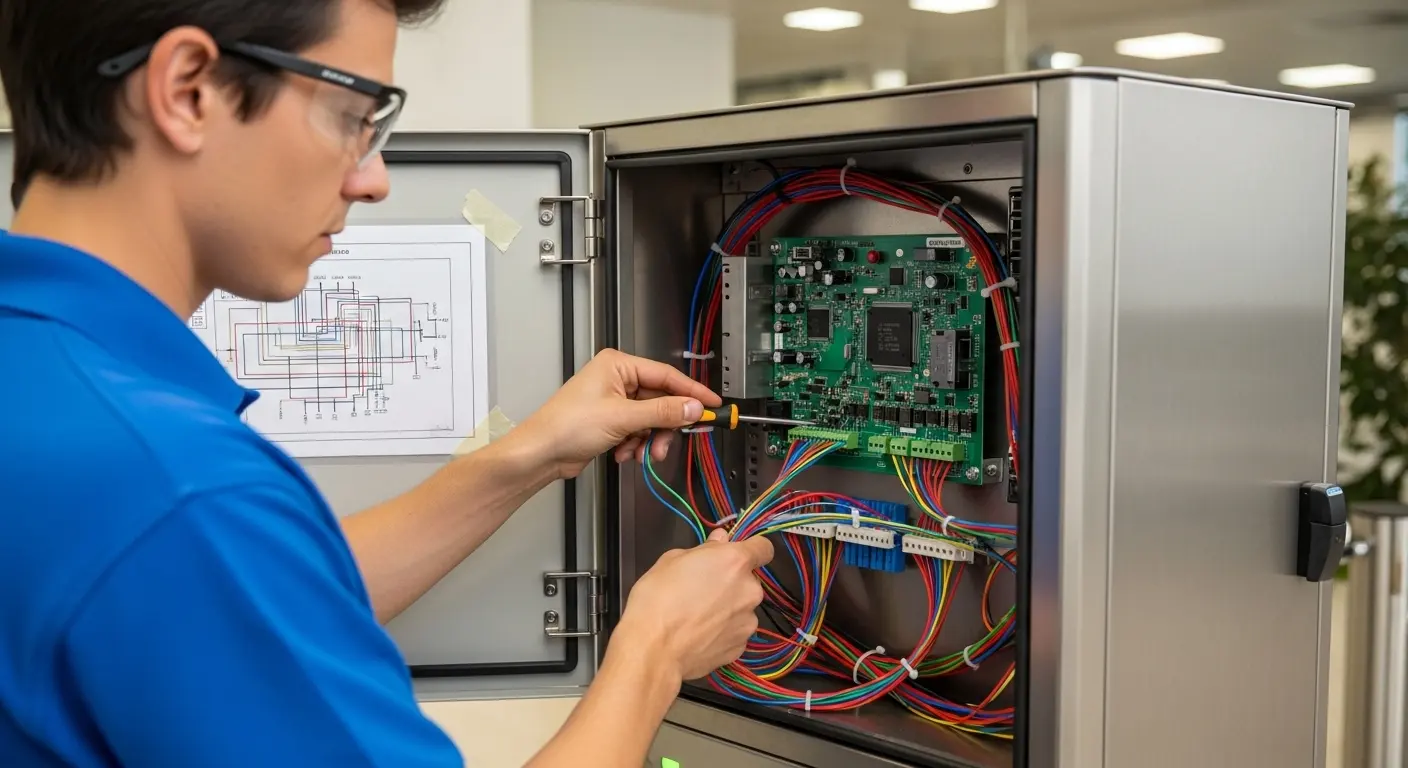
Buying the hardware is only the first step. You also need to budget for installation. Most people hire a professional security team for this. Installation costs can range from $300 to $800 per gate. This depends on how much work the floor needs. The floor must be perfectly level and made of solid concrete to hold the bolts.
Wiring is another part of the setup. You need to run power cables and data lines to every gate. If you are using RFID cards or facial recognition, those devices need to be wired into the gate's controller. In other words, the complexity of your access control system will influence the total project cost.
Maintenance is a small but steady cost to consider. You should have a technician check the sensors and the motor alignment once or twice a year. Regular cleaning of the stainless steel keeps the gate looking new. Using the right cleaners prevents the steel from getting dull or scratched over time.
Hidden Costs: Shipping and Logistics
Because flap barriers are made of heavy steel, shipping is expensive. A single gate can weigh 60kg to 100kg. If you are importing gates from a manufacturer, you must pay for sea freight or air freight. Sea freight is cheaper but takes longer. Air freight is fast but can double the total flap barrier gate price for a single unit.
Import duties and taxes also apply. Depending on your country, you might have to pay a percentage of the gate's value to customs. It is a good idea to check these rates before you place an order. Working with an experienced Asia-Pacific speed gate access control solution provider can help you estimate these costs accurately.
Packing is another detail. High-quality gates should arrive in strong wooden crates. If a supplier uses cheap cardboard, the gate might get dented during shipping. Replacing a dented cabinet is very expensive. Always ask your supplier how they pack their products to protect your investment.
Regional Price Variations: From Asia to the West
Prices change based on where the gate is made and where it is being sold. In many Asian markets, high competition keeps the flap barrier gate price lower. For example, a Malaysia entrance speed gate office building might cost less than a similar gate in Europe or North America because of lower local shipping costs.
Labor costs in different regions also affect the final price. Gates made in high-cost regions often have a higher price tag to cover factory wages. However, gates from established international manufacturers often have better global support and spare parts availability. This is something to think about if you need the gate to run for ten years or more.
Local certifications can also add to the cost. Some countries require specific safety or electrical certificates. Getting these certificates costs the manufacturer money. This cost is usually passed on to the buyer. Always check if the gate you are buying meets the legal standards for your specific city or region.
Comparing Flap Barrier Gate Price to Other Security Gates
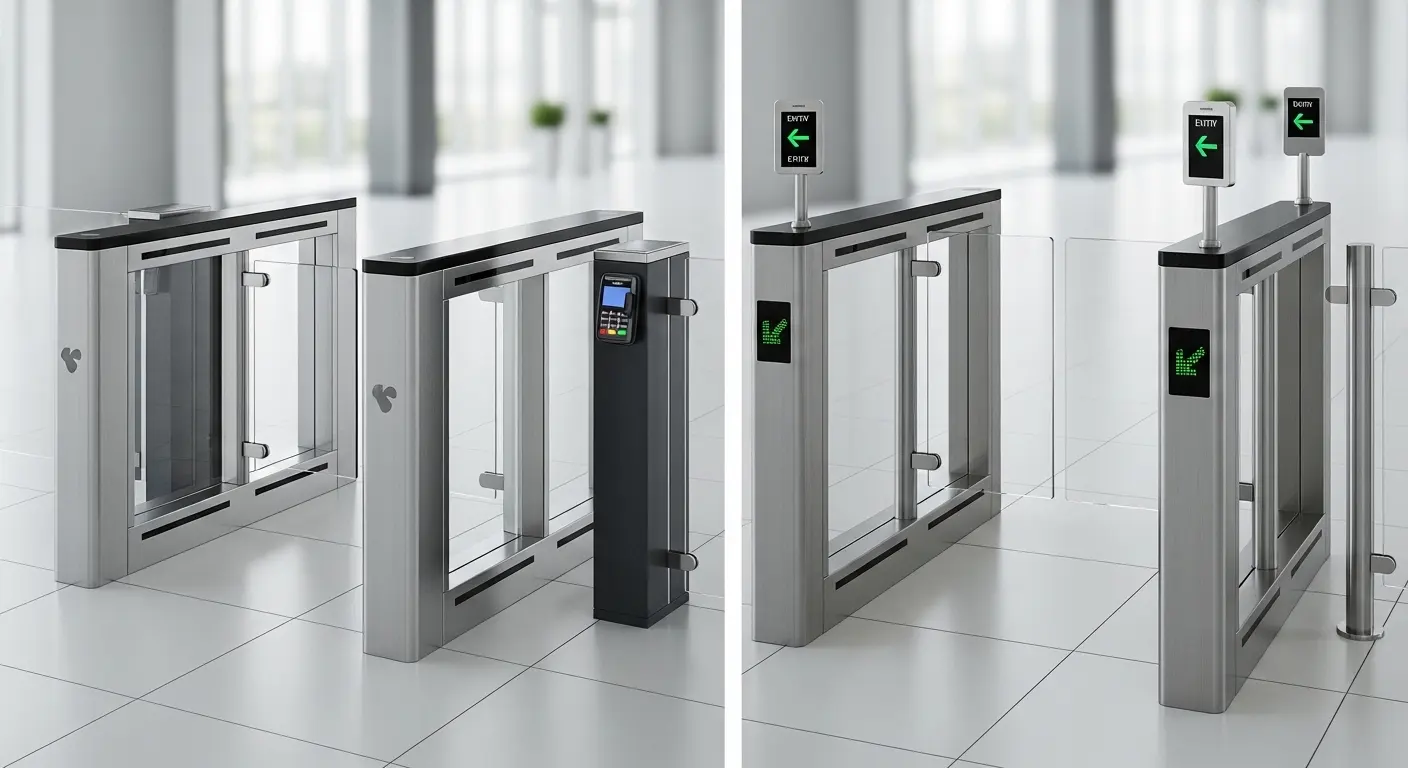
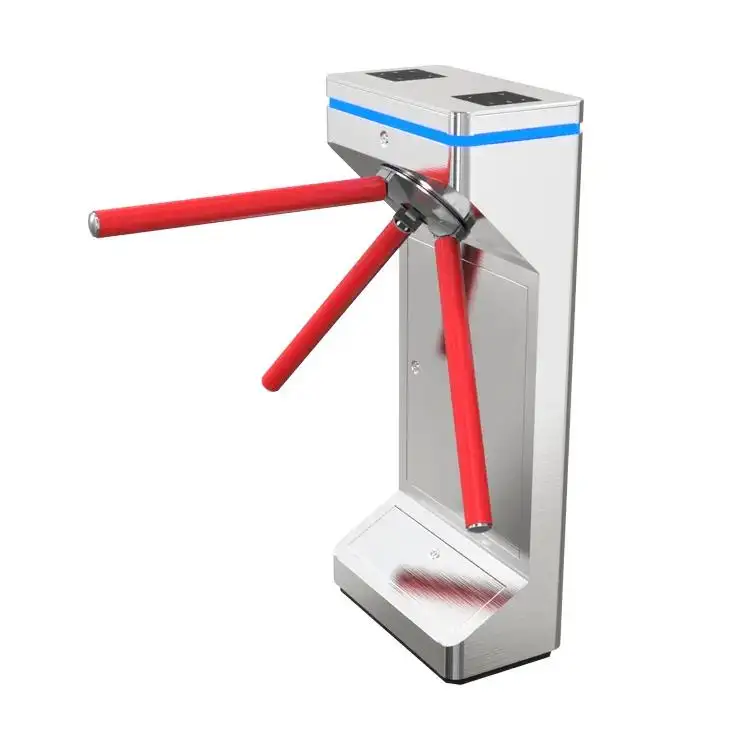
Is a flap barrier the right choice for you? Let's compare it to other options. A tripod turnstile is usually much cheaper. You can find them for $300 to $700. But, they are not as pretty and they are harder for people carrying bags to use. They are basic security for places like construction sites or cheap gyms.
Swing gates are another popular choice. An automatic swing turnstile gate supplier might offer prices similar to flap barriers. Swing gates are great for wide lanes and wheelchair access. But, they usually close slower than flap barriers. If you have a very high volume of people, the flap barrier is the faster option.
Full-height turnstiles are the most expensive. They can cost $3,000 to $6,000. These are for maximum security, like at a stadium or a high-security factory. They prevent anyone from climbing over. A flap barrier is a middle-ground solution. It looks professional and provides good security without the "prison-like" look of a full-height gate.
How to Get the Best Value for Your Security Budget
To get the best price, you should plan your purchase carefully. First, count how many lanes you actually need. One lane can usually handle 30 to 40 people per minute. If you have 500 people arriving at the same time, you will need at least three or four lanes to avoid long lines.
Buying in bulk is the best way to lower the flap barrier gate price. Manufacturers often give discounts of 10% or more if you buy five or more units at once. You also save on shipping because you can fill a larger portion of a shipping container. Similarly, buying the gates and the access control readers from the same supplier can sometimes lead to a better package deal.
Finally, think about the long-term cost. A gate that is $200 cheaper today might cost you $500 in repairs next year. Look for gates with branded components like Omron sensors or high-grade motors. These parts are easier to find if you ever need a replacement. A higher upfront price often leads to a lower total cost of ownership over the life of the gate.
Integrating Access Control and Biometrics
The flap barrier gate price you see in a catalog is usually just for the hardware. To make the gate work, you need an access control system. This is the part that reads a card or a face and tells the gate to open. Basic RFID card readers are cheap. You can add them for about $100 per lane.
If you want better security, you might choose fingerprint or facial recognition. These devices are more expensive. A high-quality facial recognition camera can cost $400 to $1,000 per lane. These systems are very fast and very secure. They also mean you do not have to worry about people losing their plastic cards.
Software is the final piece of the puzzle. Some systems come with free software, but others require a monthly or yearly fee. This software lets you see who entered the building and when. It can also block certain people from entering at specific times. Make sure to ask your supplier about any ongoing software costs so you can plan your budget for the future.
Customization and Aesthetic Upgrades
For many luxury buildings, a standard silver box is not enough. They want a gate that looks like a piece of art. You can customize the shape of the cabinet or the material of the top lid. Some people prefer marble or wood grain finishes on the top of the gate. This looks great in high-end hotels.
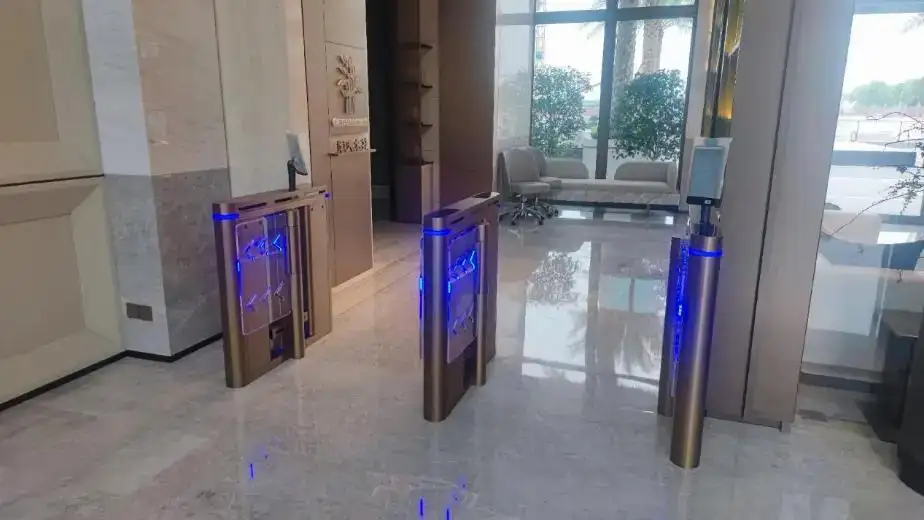
Lighting is another common upgrade. You can add LED strips that change color based on the status of the gate. For instance, the lights can be green when the gate is ready and turn red if someone tries to enter without a valid card. These visual cues make the entrance more user-friendly.
Custom logos can also be etched into the glass or acrylic flaps. This is a nice way to brand your entrance. While these custom details increase the flap barrier gate price, they add a lot of value to the overall look of the building. Most top-tier manufacturers are happy to provide these custom options for a fee.
FAQ
Why does the flap barrier gate price vary so much between suppliers?
Prices vary because of the components inside. A gate with a high-end servo motor and 15 pairs of sensors will cost much more than a basic gate with a brushed motor and 3 sensors. The quality of the stainless steel and the warranty also play a role.
Can I install a flap barrier gate myself to save money?
It is possible if you have experience with electronics and concrete work. But, it is not recommended. If the sensors are not aligned perfectly, the gate will not work right. Most people find that paying for professional installation is worth the money to avoid future problems.
How long does a flap barrier gate usually last?
A well-maintained, professional-grade gate should last between 5 and 10 years. This depends on how many people use it every day. Using high-quality motors and keeping the sensors clean will help the gate last longer.
Does the price include the glass or acrylic flaps?
Usually, the price includes standard acrylic flaps. If you want tempered glass or custom-colored flaps, there is often an extra charge. Always confirm what is included in your quote before you pay.
