


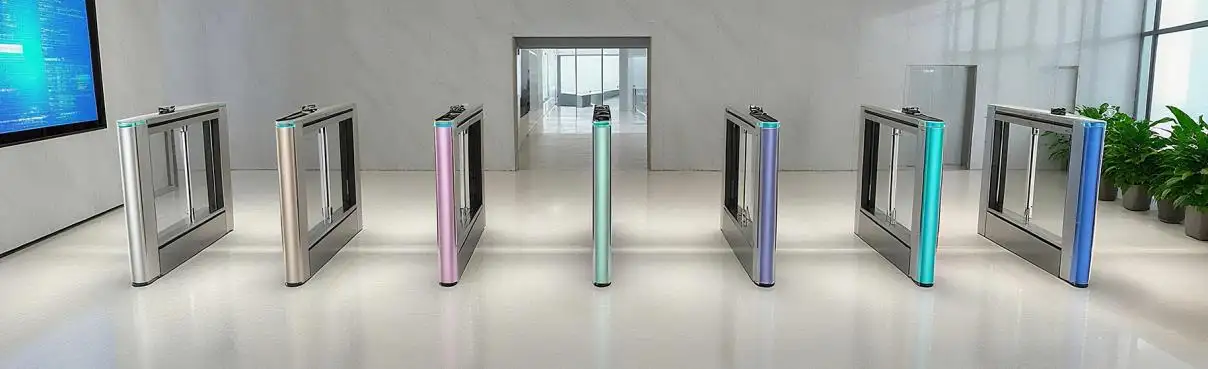
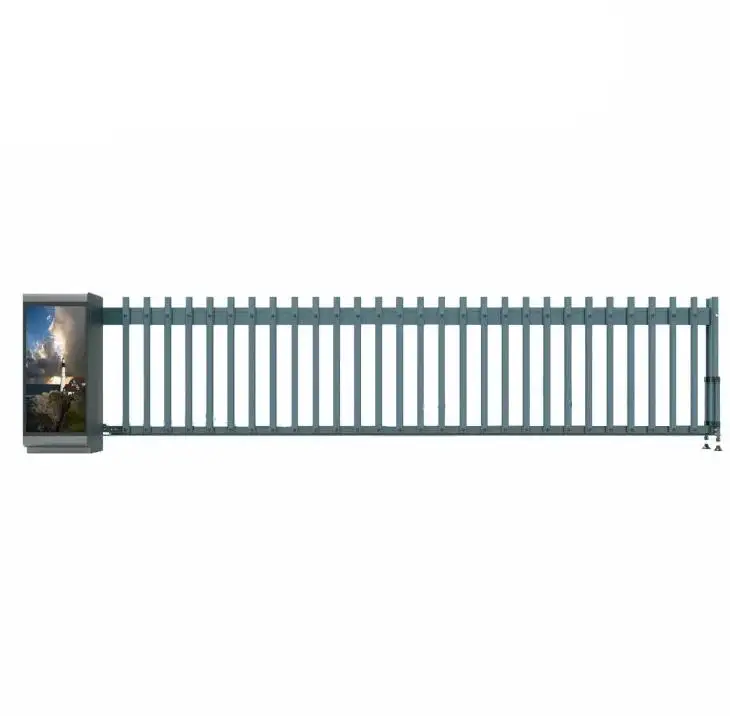
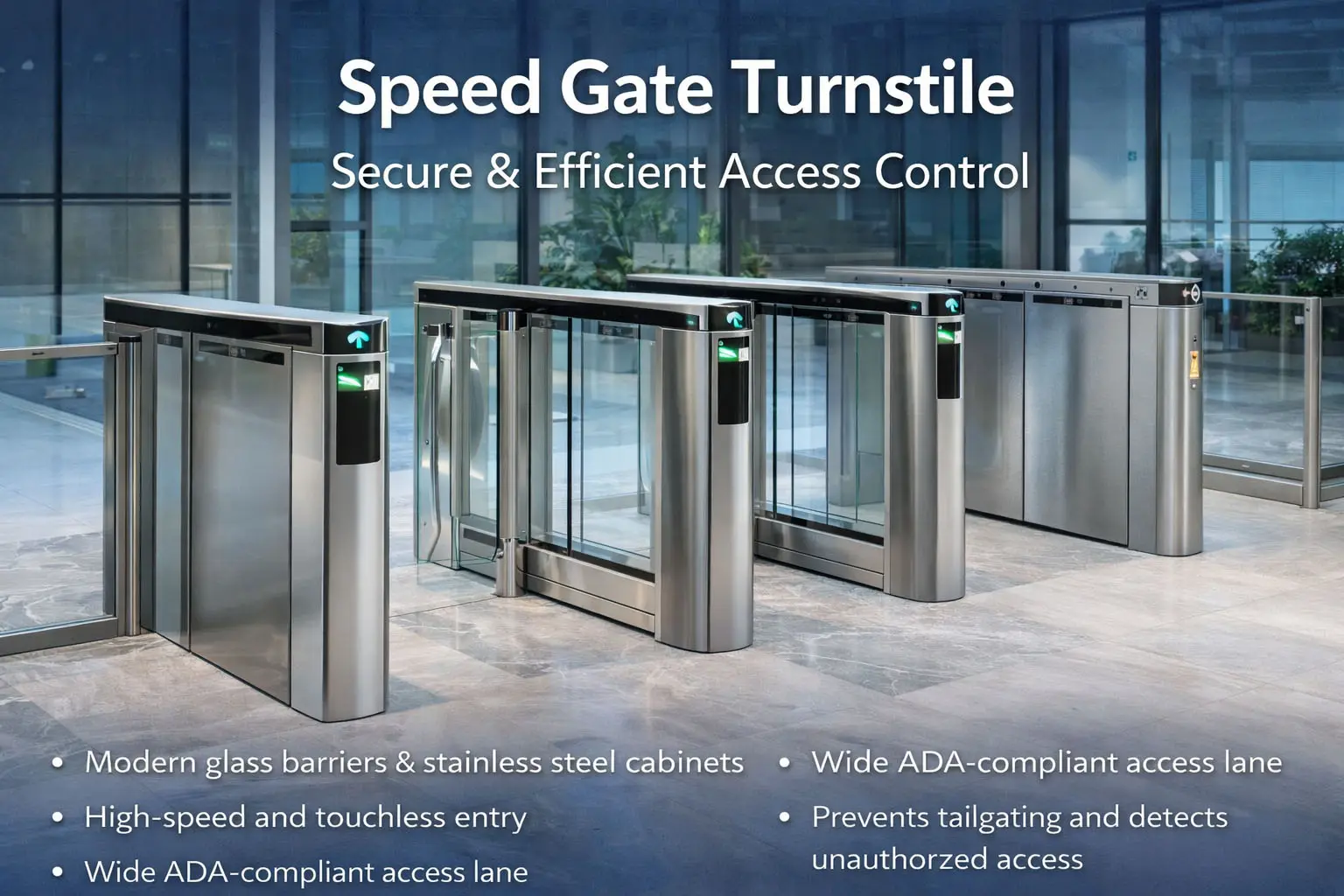
Netherlands Speed Gate Turnstiles for Building Lobbies
2025-10-27


The Netherlands, known for its innovative spirit, efficient infrastructure, and pragmatic approach to design and technology, presents a unique landscape for modern building management. From the bustling commercial hubs of Amsterdam's Zuidas and Rotterdam's Kop van Zuid to sophisticated corporate campuses and public institutions across the country, the need for secure, efficient, and user-friendly access control is paramount. In these often high-density and technologically advanced environments, managing the flow of people effectively is not just a convenience – it's a necessity.
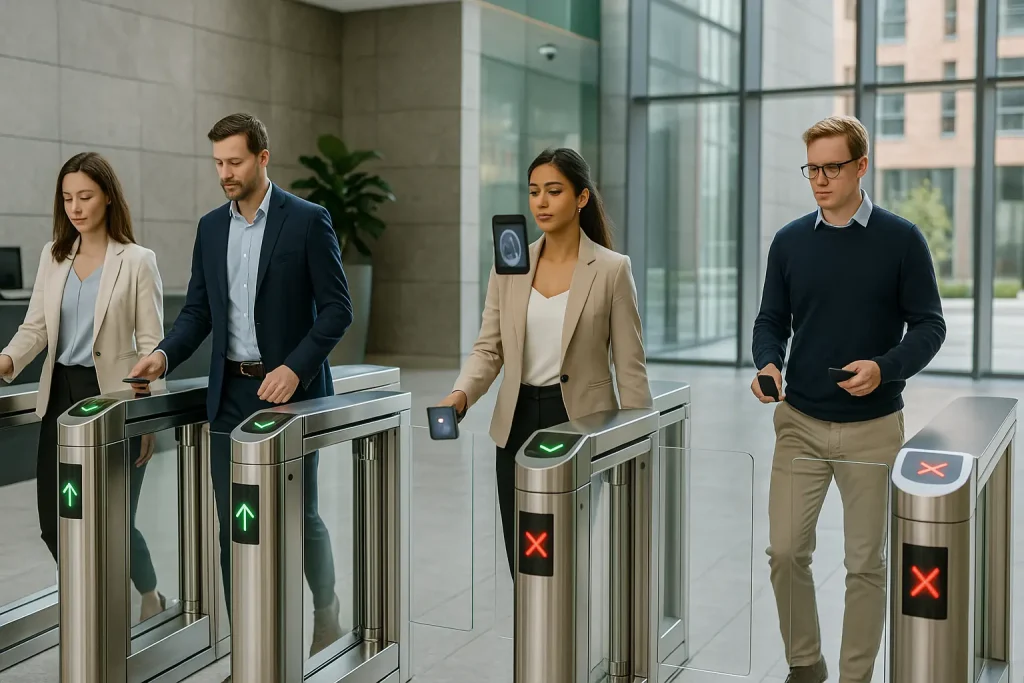
Traditional methods of lobby security often fall short. Manual checks create bottlenecks, simple locks offer inadequate security against tailgating, and outdated barriers can clash with the clean, functional aesthetic often favoured in Dutch architecture. The modern solution lies in advanced, automated systems specifically tailored for these environments: the Netherlands speed gate turnstile building lobby solution.
This represents more than just a physical barrier; it's an intelligent system designed to integrate seamlessly into the Dutch built environment. It must deliver efficient throughput, robust security, unwavering reliability, strict compliance with Dutch and EU regulations (including building codes like the Bouwbesluit and data privacy under GDPR), and often, a minimalist, high-quality design aesthetic. This guide provides an expert, comprehensive exploration of these essential systems, focusing on their technology, benefits, compliance requirements, and implementation within the unique context of the Netherlands.
What Defines a "Netherlands Speed Gate Turnstile for Building Lobbies"?
A Netherlands speed gate turnstile building lobby solution is an automated pedestrian access control system specifically chosen, configured, and implemented to meet the distinct operational needs, regulatory requirements (Bouwbesluit, GDPR/AP, accessibility), technological preferences, and design sensibilities prevalent in Dutch commercial and institutional building entrances.
While drawing on global speed gate technologies seen across diverse Regional Markets, systems deployed in Dutch lobbies often emphasize specific characteristics:
- Efficiency & Reliability: A strong focus on high throughput (PPM) to manage flow effectively, coupled with robust engineering for long-term, reliable operation – reflecting Dutch pragmatism.
- Compliance Focused: Strict adherence to the Dutch Building Decree (Bouwbesluit) concerning safety and accessibility, rigorous application of GDPR principles regarding data privacy (overseen by the Autoriteit Persoonsgegevens - AP), and meeting relevant EU/NEN standards.
- Clean & Functional Design: Often favouring minimalist aesthetics, high-quality materials (like stainless steel), durability, and seamless integration into modern architectural spaces, sometimes differing from the more ornate styles seen in markets like the
Middle East. - Smart Integration: Good connectivity and compatibility with building management systems (Gebouwbeheersysteem - GBS) and modern credential technologies (secure RFID, mobile) are typically expected.
- Sustainability: Increasingly, considerations around energy efficiency and sustainable materials align with Dutch environmental consciousness.
It's about applying advanced access control technology in a way that is effective, compliant, durable, and aesthetically harmonious within the Dutch context.
Why Are Speed Gates Essential for Dutch Building Lobbies?
Speed gates are essential in Dutch building lobbies due to the need for efficient management of pedestrian flow in often dense urban environments, robust security to protect assets and personnel, mandatory compliance with stringent national and EU regulations (safety, accessibility, privacy), the desire for modern and streamlined building operations, and the high value placed on reliability and quality engineering.
The specific drivers in the Netherlands are clear:
- Managing Urban Density: Cities like Amsterdam, Rotterdam, The Hague, and Utrecht feature high concentrations of office workers and commuters. Automated gates are crucial for preventing lobby bottlenecks during peak hours.
- Security & Risk Management: Protecting commercial properties, data, and personnel requires effective physical access control beyond simple locks. Speed gates provide a reliable first line of defense against unauthorized entry and tailgating.
- Regulatory Compliance (Non-Negotiable):
- Bouwbesluit: The Dutch Building Decree sets mandatory requirements for building safety, including fire safety (emergency egress) and accessibility, which directly impact gate design and integration.
- GDPR/AP: Strict data privacy rules govern the collection and use of access logs and especially biometric data, requiring careful system design and implementation.
- EU Standards (NEN/EN): Gates must meet relevant European Norms (harmonized via NEN in NL) for mechanical and electrical safety (CE marking is essential).
- Operational Efficiency: Automating lobby access streamlines operations, allows for better allocation of reception or security staff, and reduces queues, contributing to a more efficient workplace – a key consideration in the Dutch business environment.
- Modern Aesthetic & Functionality: Dutch design often emphasizes clean lines, functionality, and quality. Sleek, reliable speed gates align well with this ethos, enhancing the building's modern image compared to older, clunkier alternatives. This might contrast with the aesthetic requirements for a
USA speed gate turnstilein a more traditional corporate setting.
How Do These Lobby Turnstile Systems Operate?
In a typical Netherlands lobby, the system validates a user's credential (commonly a secure MIFARE RFID card or a mobile credential via NFC/BLE) against an access control database. If authorized, the speed gate's barriers open rapidly. Integrated sensors monitor the user's passage for safety and single entry before the barriers close automatically, logging the event securely.
The process prioritizes speed, security, and reliability:
- Credential Presentation: User presents their credential – often tapping a 13.56 MHz MIFARE smart card (widely used in NL public transport and corporate access) or using a mobile app (NFC tap or BLE hands-free) – at the reader integrated into the turnstile.
- Secure Validation: The reader communicates securely (OSDP recommended) with the Access Control System (ACS). Both robust on-premise solutions and flexible cloud-based platforms are common in the Netherlands, depending on organizational needs and IT strategy.
- Permission Check & GDPR: The ACS verifies permissions. Any logging of personal data must comply with GDPR principles (purpose limitation, data minimization, defined retention periods). Biometric checks are rare for general access due to strict privacy rules.
- Open Command: If authorized, the ACS sends an encrypted "open" command to the specific gate lane controller.
- Gate Actuation: High-quality, often German-engineered, motors activate, opening the barriers (typically swing or flap types) smoothly and quietly. Green indicators signal permission.
- Passage Monitoring: High-density sensor arrays track the user, verify direction, and ensure only one person passes per valid credential to prevent tailgating. Safety beams ensure barriers do not close on a person.
- Compliant Closure & Logging: Once the user is clear and safety zones are verified, barriers close promptly. The access event is logged securely within the ACS, adhering to data protection policies.
My Experience: "When installing speed gates in the Netherlands, reliability and compliance are always top priorities. Clients expect systems that just work, day in and day out, with minimal fuss. We focus heavily on ensuring the fire alarm integration meets the Bouwbesluit requirements perfectly and that any data logging meets GDPR standards. There's also often a strong preference for durable, high-quality hardware – Dutch clients appreciate solid engineering."
Key Features Tailored for the Netherlands Market
Systems designed for Netherlands speed gate turnstile building lobby applications prioritize reliability, strict compliance (Bouwbesluit, GDPR/AP), seamless integration with prevalent technologies (MIFARE, mobile, GBS), functional design, and often, sustainability considerations.
- Compliance Centricity:
- Bouwbesluit Adherence: Mandatory compliance with fire safety (fail-safe egress, clear widths) and accessibility requirements ("toegankelijkheid").
- GDPR/AP Conformity: Systems must be configurable for data minimization, secure logging, defined retention, and support user rights regarding personal data processed during access events. Biometric features require rigorous justification and consent management.
- CE Marking & NEN Standards: Essential for demonstrating safety and conformity with EU/Dutch standards.
- Technology Alignment:
- MIFARE Dominance: Excellent support for the MIFARE family of secure RFID cards (Classic, DESFire) is crucial due to its widespread use.
- Mobile Credential Readiness: Strong support for both NFC and BLE mobile access is increasingly expected.
- GBS Integration: Capability to integrate with Building Management Systems (Gebouwbeheersysteem - GBS) via open protocols (like BACnet/IP) for sharing occupancy data is a valuable feature in modern Dutch buildings.
- Design Philosophy: Functional Elegance & Durability:
- Clean Aesthetics: Often favouring minimalist, functional designs with high-quality stainless steel finishes that are durable and easy to maintain. Less emphasis on ornate customization compared to markets like the
UAE. - Robustness: Preference for well-engineered, durable hardware built for longevity and reliable operation. "Value for money" often includes long-term reliability.
- Clean Aesthetics: Often favouring minimalist, functional designs with high-quality stainless steel finishes that are durable and easy to maintain. Less emphasis on ornate customization compared to markets like the
- Sustainability Considerations: Growing interest in gates with low energy consumption (especially standby power), use of sustainable materials, and designs that facilitate maintenance and eventual recycling, aligning with Dutch environmental goals.
Popular Speed Gate Types in Dutch Lobbies
Swing barrier gates are very popular in Dutch office lobbies, valued for their balance of aesthetics, user comfort, and ease of accessibility compliance. Flap barriers are used effectively in higher-throughput scenarios. Optical turnstiles are occasionally seen in specific high-end, staffed environments.
- Swing Barriers (The Versatile Choice): Widely adopted across corporate offices, public buildings, and institutions. Their smooth operation, ability to incorporate elegant glass barriers, and straightforward implementation of wide accessible lanes make them a highly practical and aesthetically pleasing choice for many Dutch lobbies. They represent a common solution within the broader Europe commercial building speed gate solution context.
- Flap Barriers (The Efficiency Choice): Ideal for managing peak loads in very busy lobbies, such as large corporate HQs in the Randstad area or buildings directly connected to major train stations. Their speed maximizes throughput, aligning with Dutch efficiency values.
- Optical Turnstiles (The Niche Choice): Used selectively in prestigious corporate headquarters or cultural institutions where a completely open aesthetic is paramount and where dedicated reception or security staff provide constant visual monitoring. See more on Optical turnstiles. They offer speed but no physical barrier.
- Tripod Turnstiles: Generally considered too basic and industrial for modern Dutch office lobbies. More likely found in leisure centers, factory entrances, or older transit applications.
Enhancing Security in the Netherlands Context
Speed gates provide a crucial security layer by physically preventing unauthorized entry and tailgating, consistently enforcing defined access rules, and generating secure, GDPR-compliant audit trails essential for security management and accountability within Dutch organizations.
- Effective Tailgating Prevention: Addresses a universal security vulnerability with reliable sensor technology, significantly more effective than relying on human vigilance alone.
- Automated Policy Enforcement: Ensures access rules defined in the ACS are applied accurately 24/7, critical for maintaining security zones within multi-tenant buildings or large corporate offices.
- GDPR-Compliant Auditing: Provides detailed, timestamped logs of access events. Crucially, systems must allow for configuration (e.g., data retention periods, potential anonymization) to align with GDPR principles and Dutch AP guidelines on processing personal data. This level of data governance is a key differentiator from less regulated Regional Markets.
- Deterrence: A visible, modern speed gate system signals a professional security posture, deterring casual or opportunistic intrusion attempts.
Boosting Efficiency: Managing Lobby Flow in the Netherlands
In the efficiency-focused Netherlands, speed gates are vital for optimizing pedestrian flow, especially in dense urban centers. They dramatically increase throughput (30-40+ PPM), eliminate queues, enable smoother transitions during peak times, and allow lobby staff to perform more value-added roles.
- High Throughput for Peak Loads: Essential for handling the concentrated arrival and departure patterns common in Dutch work culture, preventing lobby congestion and ensuring punctuality.
- Streamlined Operations: Automating the entry process reduces the need for manual checks, freeing reception ("receptioniste") or security ("beveiliging") personnel to assist visitors, manage deliveries, or handle other inquiries, improving overall lobby service levels.
- Improved User Experience: A fast, reliable, and intuitive entry process enhances the daily experience for employees and leaves a positive impression on visitors, contributing to the perception of a well-managed, modern facility. This efficiency contrasts with potential bottlenecks in rapidly growing but sometimes less optimized infrastructure seen in markets like India pedestrian speed gate access control.
Navigating Dutch Compliance: Bouwbesluit, GDPR/AP, Accessibility
Strict compliance with Dutch regulations is non-negotiable. Key areas include the Bouwbesluit (Building Decree) for fire safety/egress and accessibility, GDPR as enforced by the Autoriteit Persoonsgegevens (AP) for data privacy, and relevant NEN/EU standards for electrical and mechanical safety.
Bouwbesluit: Fire Safety & Accessibility
- Fire Safety (Brandveiligheid): Article 6.25 mandates that escape routes ("vluchtroutes") remain usable. Gates forming part of an escape route must reliably fail-safe (open) upon fire alarm or power loss, meeting specific performance criteria likely referencing NEN-EN standards. Integration testing and certification are crucial. "My Experience: Getting the fire alarm integration signed off by the Dutch authorities requires meticulous documentation and often witnessed testing, demonstrating that the gates open reliably and provide the required clear width under emergency conditions. There's no room for error here."
- Accessibility (Toegankelijkheid): Section 4.2 mandates accessible routes. Installations must include lanes meeting specific width (e.g., >= 850mm clear passage), maneuvering space, and operational requirements for wheelchair users and others with disabilities.
GDPR / Autoriteit Persoonsgegevens (AP)
- Data Privacy: Processing personal data (including access logs potentially linked to individuals, and especially biometric data) requires a clear legal basis, transparency, data minimization, secure storage, defined retention periods, and respect for individual rights (access, deletion).
- Biometrics: The AP applies GDPR strictly. Using biometrics for general lobby access typically requires demonstrating necessity, conducting a Data Protection Impact Assessment (DPIA), and obtaining explicit, informed consent. This makes secure cards or mobile credentials the far more common and compliant choice in the Netherlands.
NEN / EU Standards
- Safety: Gates must carry CE marking, indicating conformity with EU directives (e.g., Machinery Directive, EMC Directive). Compliance with specific harmonized NEN-EN standards (e.g., for electrical safety, mechanical safety) provides presumption of conformity.
Integration with Dutch Smart Building Technologies (GBS)
Integration with Gebouwbeheersystemen (GBS) is increasingly common in modern Dutch buildings. Intelligent speed gates with open connectivity (APIs, standard protocols like BACnet/IP) can share real-time occupancy data derived from passage counts, enabling smarter energy management and optimized building operations.
- The Goal: Create efficient, responsive buildings where systems work together.
- The Mechanism: IP-connected gates send anonymized entry/exit counts to the GBS.
- The Benefits:
- Energy Savings: GBS can automatically adjust heating, ventilation, and lighting based on actual floor/zone occupancy reported by the gates, helping meet Dutch energy performance goals (BENG).
- Operational Insights: Provides facility managers with accurate data on building usage patterns for space optimization and resource planning.
- Enhanced Security Monitoring: Gate alarms can be visualized and correlated with other events on the central GBS dashboard.
Installation & Maintenance: Quality and Reliability Focus
Installation must be performed by certified professionals adhering to Dutch electrical codes (NEN 1010), building regulations, and safety standards. Given the Dutch emphasis on quality and longevity, selecting durable hardware and establishing a reliable local maintenance plan are crucial for long-term performance.
- Certified Installers: Essential for ensuring compliance with NEN 1010, proper fire alarm integration (often requiring specific certifications), and safe installation practices.
- Site Considerations: Retrofitting in older buildings (common in Dutch cities) requires careful planning for cabling and floor work. Integration with existing infrastructure needs expert assessment.
- Reliability Expectation: Dutch clients typically expect systems to be highly reliable and have a long operational lifespan. Choosing well-engineered gates with proven track records and quality components is key.
Modular speed gate designcan aid long-term serviceability. - Local Maintenance: Responsive, qualified local technical support is vital for minimizing downtime. Preventive maintenance contracts ("onderhoudscontract") are standard practice to ensure ongoing safety compliance and operational reliability.
Future Trends for Speed Gates in the Netherlands
The future in the Netherlands involves continued growth of secure mobile credentials, deeper integration with GBS for sustainability, leveraging AI for efficiency (while respecting GDPR), and potentially exploring ultra-long-range "frictionless" access technologies, all grounded in practicality and compliance.
- Mobile Credentials Standard: Expect NFC and BLE mobile access to become the default, potentially integrating with national digital identity frameworks (like DigiD in specific contexts, though likely not for general building access).
- Sustainability & Energy Efficiency: Increased demand for gates with documented low power consumption, sustainable materials, and long lifespans, aligning with national environmental goals.
- GDPR-Compliant AI: AI will be used to enhance sensor accuracy (fewer false alarms), enable predictive maintenance, and provide anonymized flow analytics for operational optimization, always implemented within strict data privacy boundaries.
- Frictionless (but Pragmatic) Access: Technologies like UWB for passive authentication may be explored, but adoption will likely be driven by proven reliability and clear benefits rather than novelty alone. Widespread biometrics remain unlikely for general access.
- Open Platforms & Interoperability: Continued emphasis on open standards and APIs to ensure flexibility and seamless integration within the evolving Dutch smart building landscape, allowing easy connection of systems perhaps even from different parts of the Europe commercial building speed gate solution ecosystem.
The Final Verdict: Smart, Compliant Gateways for Dutch Lobbies
The Netherlands speed gate turnstile building lobby solution is a critical element of modern facility management in the country, reflecting Dutch priorities for efficiency, reliability, safety, and compliance. These intelligent systems provide far more than just a barrier; they are connected, data-aware components that streamline flow, enhance security, adhere to stringent regulations (Bouwbesluit, GDPR/AP), and integrate seamlessly into sophisticated smart building environments.
By prioritizing robust engineering, ensuring compliance from the outset, leveraging secure and convenient credentials like MIFARE and mobile, and partnering with experienced local providers, organizations in the Netherlands can implement speed gate solutions that deliver exceptional long-term value. They serve as reliable, intelligent gateways, ensuring smooth and secure access while embodying the Dutch commitment to quality, practicality, and forward-thinking technology, clearly tailored to local needs compared to solutions for other Regional Markets like Australia or Asia-Pacific.
