



Why Businesses Replace Old Gates with QR Code Turnstile Gate
2025-09-25


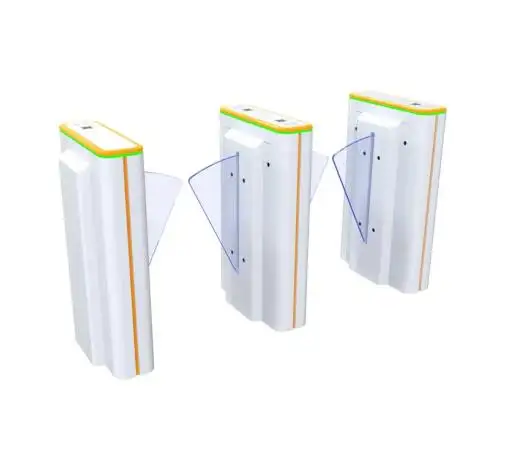
QR Code Turnstile Gate is quickly becoming the go-to upgrade for facilities that need faster entry, clearer logs, and stronger anti-tailgating protection. At IRONMAN Intelligent, we meet customers who are tired of outdated barriers that slow people down, hide security gaps, and drive up maintenance bills. This article explains why businesses switch, what modern gates actually deliver, and how a well-implemented solution improves operations and lowers risk.
Why Legacy Gates Fail Modern Facilities
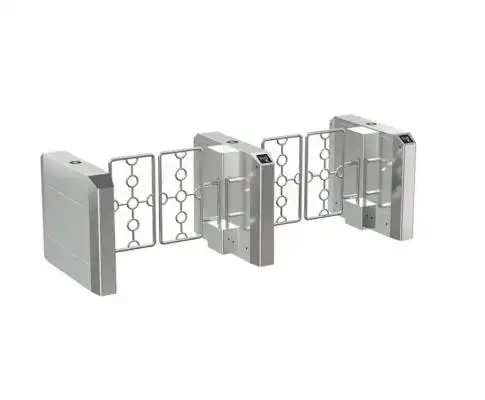
Older swing gates and manual turnstiles were built for a different era. They worked when pedestrian volume was low and staff could supervise every entry. Today, those same devices create clear operational headaches.
First, staffing pressure is real. Manual gates need people to monitor, intervene, and resolve jams. That adds payroll cost and human error. Second, auditability is limited: traditional barriers rarely link each pass to a reliable digital record. That makes investigations slow and compliance harder. Third, mechanical reliability is weak. Moving parts wear out, especially in harsh environments, and downtime means queues, frustrated visitors, and lost business.
These problems multiply at scale. In transit hubs, stadiums, and large office complexes, a single stuck gate can cause a line that cascades through adjacent spaces. In retail and education settings, unauthorized entry and tailgating become frequent when sensors and controls are insufficient. That's why facility managers are looking for a different approach - one that improves throughput, raises the security baseline, and reduces lifecycle cost.
What a Modern QR Code Turnstile Gate Delivers
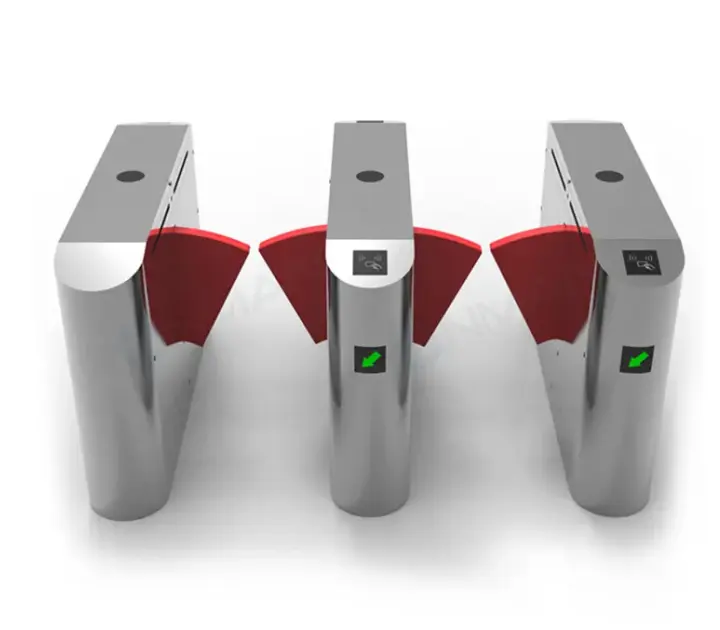
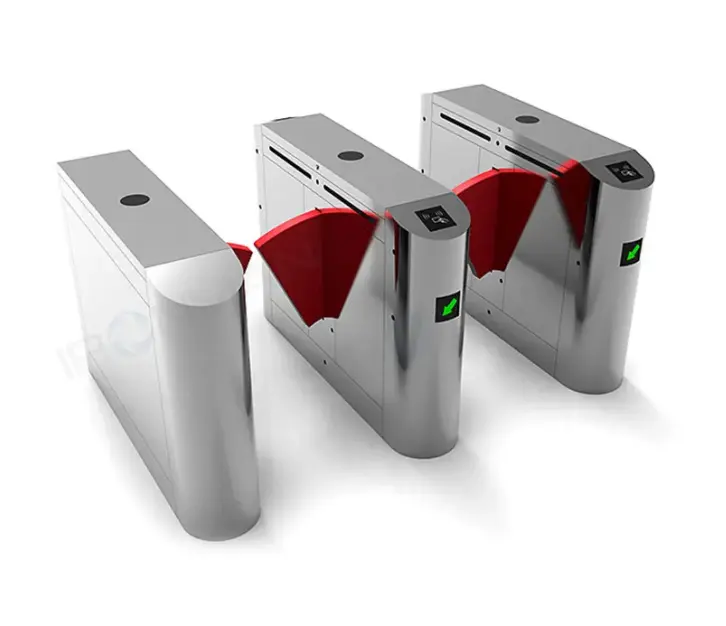
When we design access systems at IRONMAN Intelligent, we focus on three outcomes: speed, safety, and serviceability. Modern flap turnstile gates deliver on all three by combining refined mechanics, smart sensing, and flexible authentication.
✅ Core Strengths That Matter On Site
• Space-efficient stainless steel housing that fits narrow entryways.
• Robust 6-point infrared sensing for tailgating detection and obstacle recognition.
• Rapid flap retraction and recovery to support steady throughput.
• Clear user interface with LED indicators and voice prompts to reduce entry errors.
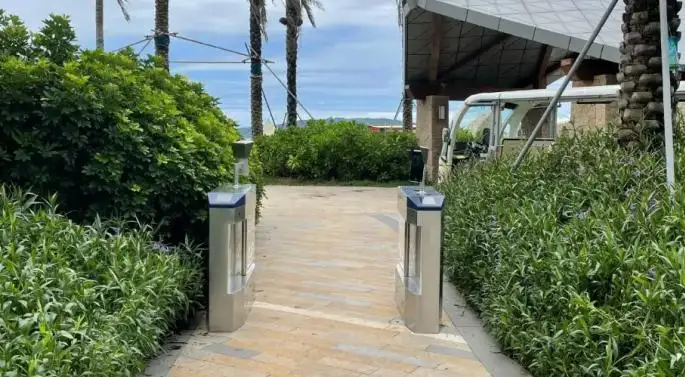
• Weather-resistant construction suitable for semi-outdoor installations.
• Integration-ready ports for QR scanning, RFID, and biometrics.
These features solve everyday pain points. Precise infrared detection reduces tailgating and false passes, which cuts security incidents and the manual checks that follow. Fast, confident flap movement keeps people moving - even during peak minutes - so queues shrink and staff can be reassigned to higher-value tasks. The LED and voice guidance lower the learning curve for first-time users and visitors, which reduces congestion at entry points.
✅ Technical Details That Improve Uptime
A high-quality flap turnstile uses corrosion-resistant materials and a modular internal layout. That design approach shortens repair time and lowers the risk of a long service outage. Key attributes we emphasize include:
• Solid stainless steel construction that passes rigorous salt-spray testing.
• A compact footprint that still provides a 550 mm passage width for most users.
• A sensing grid that triggers immediate alerts for forced entry, reverse movement, or obstruction.
• Emergency auto-open behavior that integrates with fire alarms for safe egress.
Together, these elements increase operational resilience. Facilities exposed to rain, dust, or heavy public use benefit from a lower total cost of ownership and fewer unscheduled service visits.
Integration, operations, and measurable ROI
A gate that can't plug into existing systems is a barrier to progress. Modern QR Code Turnstile Gate solutions are designed for easy integration and measurable outcomes.
1) Multi-method authentication and management
Successful deployments pair QR code scanning with other authentication methods. A flexible access system supports QR code, RFID/IC cards, and optional biometric modules. Standard interfaces like RS485 and relay outputs make it straightforward to connect gates to central management platforms and building management systems.
This integration reduces friction at several levels. Security teams get richer logs and time-stamped records. Operations teams can manage access rules remotely. And IT can include gate events in analytics to measure peak flow, detect anomalies, and plan staffing more accurately.
2) Operational wins you can quantify
• Faster average processing time per person during rush periods.
• Fewer security incidents caused by tailgating and unauthorized entries.
• Reduced onsite maintenance hours because of modular internals and accessible covers.
• Lower long-term replacement costs due to durable materials and proven sensing systems.
For procurement teams, those metrics translate to real ROI. A quieter, faster entry experience reduces complaints and can even improve tenant retention in commercial buildings. In transit settings, every minute saved at the gate helps prevent platform crowding and improves schedule reliability.
3) Use cases where QR code access shines
• Office campuses and corporate buildings that need visitor management and flexible access windows.
• Transit hubs and stations where a speed-oriented QR code access control system prevents bottlenecks.
• Education and healthcare sites that require controlled, safe throughput with clear audit trails.
• Event venues, malls, and stadiums that must handle surges while keeping unauthorized entry at bay.
When specifying a solution, think about the environment: indoor or semi-outdoor, expected peak volumes, and which authentication methods your users prefer. Long-tail searches like "flap turnstile gate for corporate buildings" or "QR code access control system for transit hubs" help you find vendors and case studies that match those needs.
IRONMAN Intelligent Practical Advice for Decision Makers
At IRONMAN Intelligent, we guide customers through a pragmatic selection process. Start by mapping your peak flow and failure points. Identify where lines form, what the current maintenance cadence looks like, and which integrations are essential. Use those facts to evaluate vendors, rather than relying solely on brochures.
When comparing suppliers, ask for these demonstrations:
• Live throughput trials showing actual people per minute under realistic conditions.
• Tailgating and intrusion simulations to verify sensor performance.
• A walk-through of maintenance access and modular replacement procedures.
A proof-of-concept or site demo reduces adoption risk. It also helps you choose product features that align with daily reality, not just marketing claims.
If your site struggles with frequent jams, ongoing repairs, or security gaps, a modern flap turnstile with QR code capability is a targeted investment. It removes the friction of manual checks and gives you auditable, time-stamped records. It also provides the flexibility to add biometric or contactless authentication later, without replacing the whole system.
Closing Words
Ready to explore how QR Code Turnstile Gate technology can reduce queues, tighten security, and lower operating costs at your facility? Contact IRONMAN Intelligent for a free site assessment and live demonstration. Our team will evaluate your layout, expected traffic, and integration needs - then recommend a configuration that minimizes disruption and maximizes uptime.
Improve safety, speed, and serviceability with an access control upgrade that works in the real world. Reach out to IRONMAN Intelligent today and schedule your site review - let us show you what modern gate design can do.
