


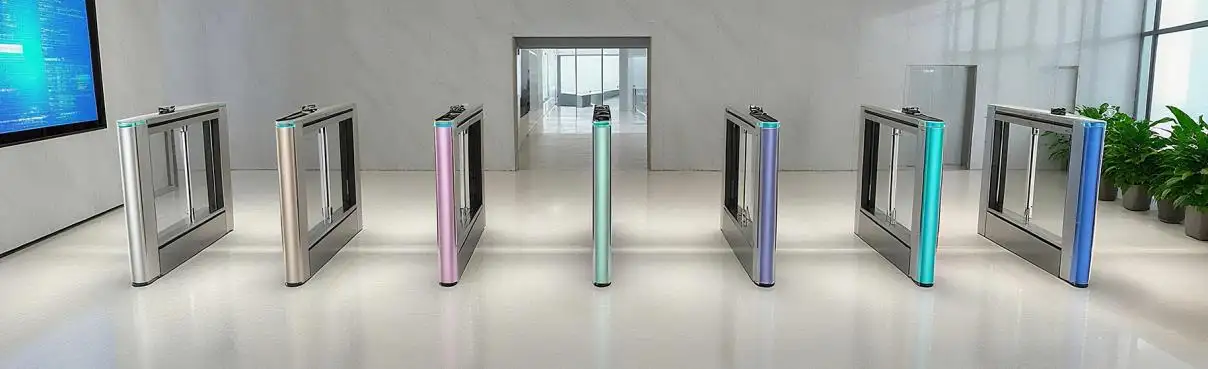
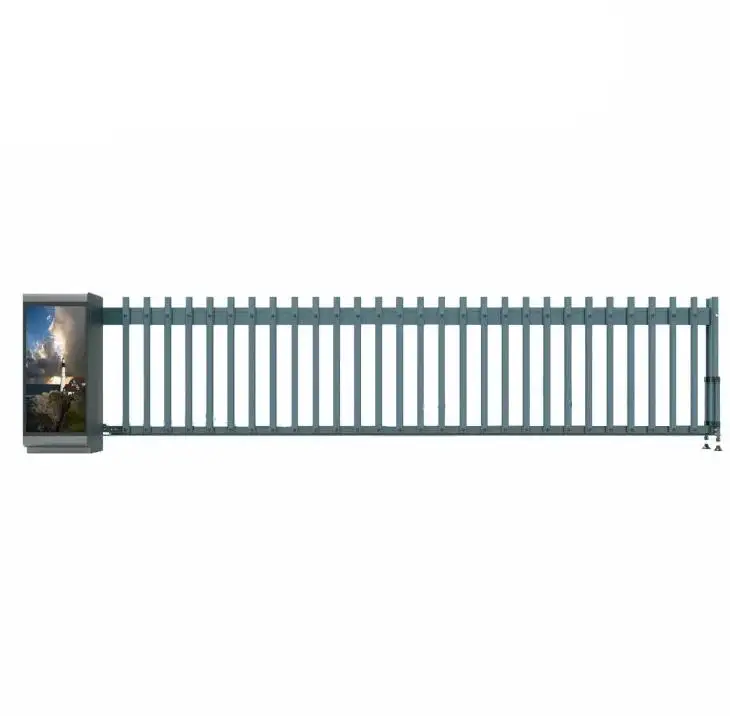
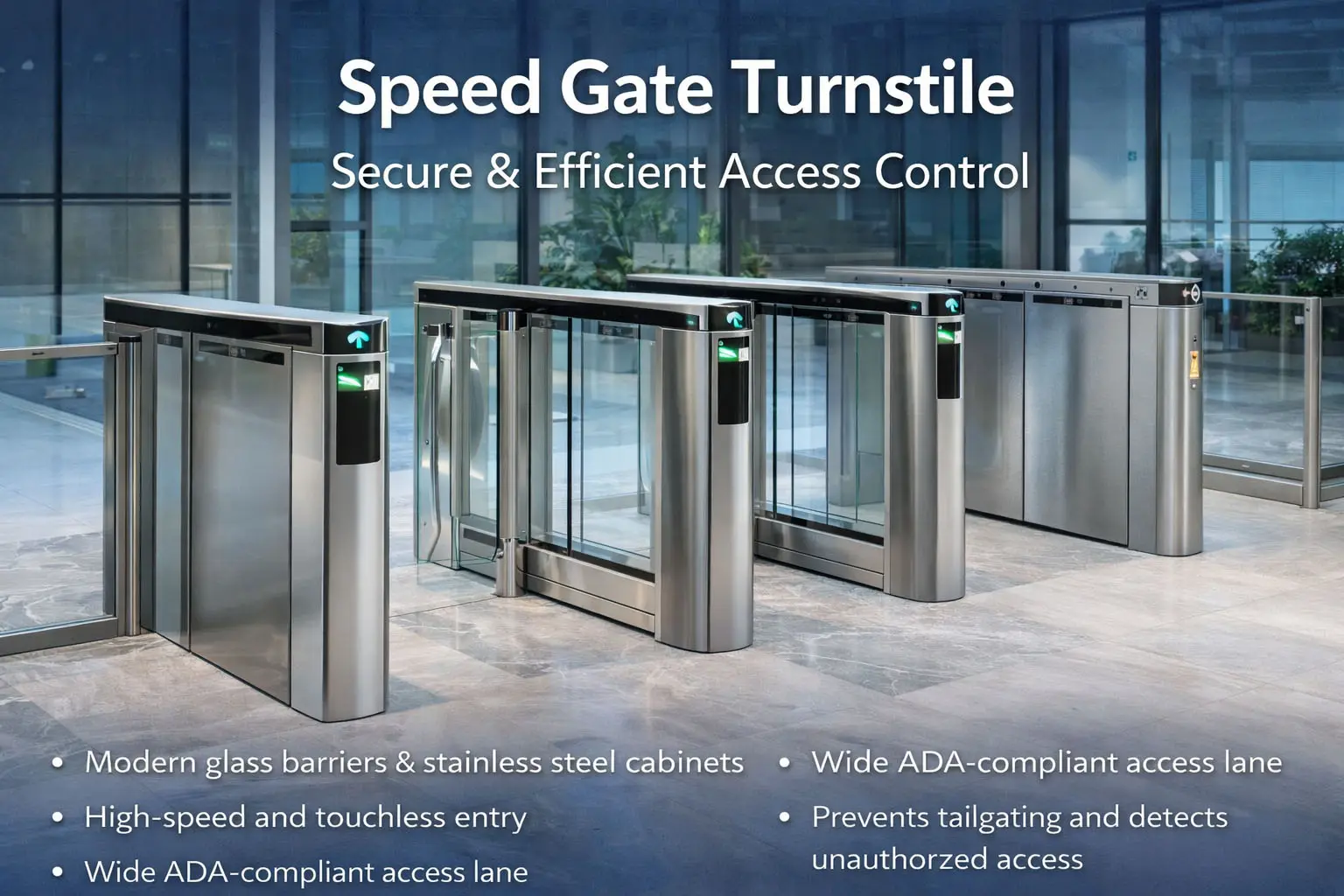
Singapore Smart Speed Gate Turnstile Systems
2025-10-27


Singapore. The Lion City stands as a global exemplar of meticulous planning, technological innovation, and urban efficiency. In this densely populated, hyper-connected island nation, every square meter matters, and the seamless, secure flow of people is not just a convenience—it's a fundamental necessity for its economic vitality and social order. From the gleaming towers of the Central Business District (CBD) and the world-class Changi Airport to secure government complexes and integrated smart estates, managing pedestrian access requires solutions that are exceptionally intelligent, reliable, and compliant.
Traditional access control methods often struggle to meet the unique demands of Singapore's environment. Manual checks are too slow for the sheer volume, basic locks lack the necessary security and data capabilities, and outdated barriers clash with the city-state's relentlessly modern aesthetic. This necessitates the deployment of advanced, integrated solutions: the Singapore smart speed gate turnstile system.
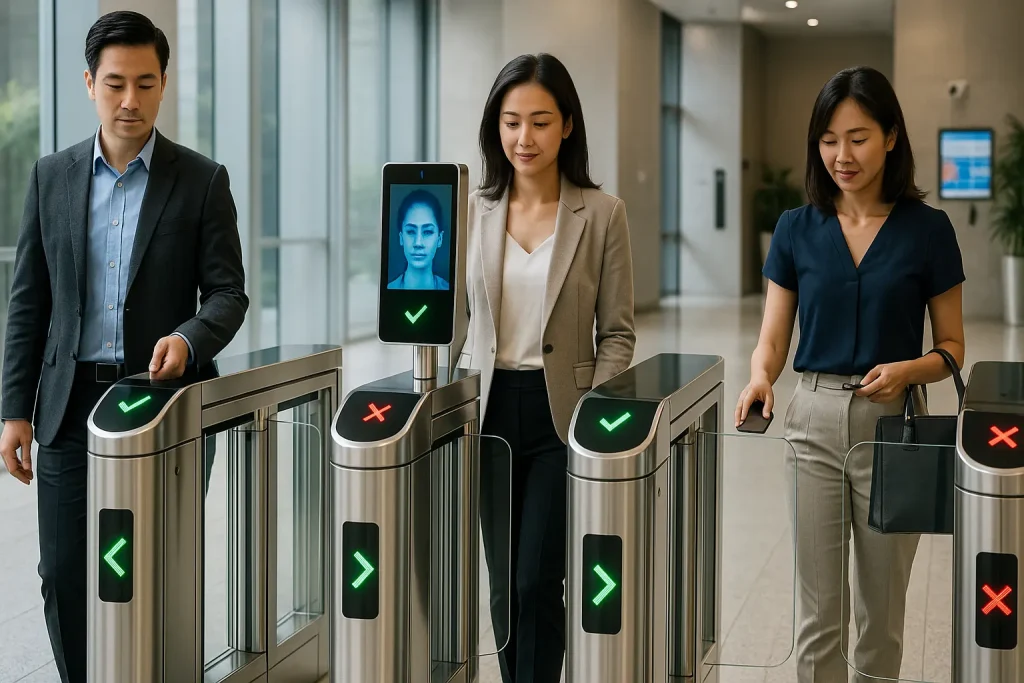
These systems are far more than just automated gates; they represent the physical embodiment of Singapore's "Smart Nation" initiative within the built environment. They are intelligent, connected devices engineered for high-speed throughput, robust security, seamless integration with national digital infrastructure (where applicable), resilience against the tropical climate, and strict adherence to local regulations (BCA, SCDF, PDPA). This guide provides an expert, comprehensive exploration of these vital systems tailored for the unique context of Singapore.
What Defines a "Singapore Smart Speed Gate Turnstile System"?
A Singapore smart speed gate turnstile system is an advanced automated pedestrian barrier solution specifically designed, configured, and implemented to meet the high standards of technological integration, security, efficiency, regulatory compliance (BCA, SCDF, PDPA), and urban density characteristic of facilities within Singapore.
While leveraging cutting-edge speed gate technologies found across global Regional Markets, systems deployed in Singapore often exhibit specific traits reflecting the nation's priorities:
- "Smart Nation" Integration: Designed for deep connectivity, often leveraging cloud platforms and APIs to integrate with building management systems (BMS), security platforms, visitor management, and potentially national digital identity frameworks.
- High Technology Adoption: Strong inclination towards advanced credentials like facial recognition, seamless mobile access (NFC/BLE), and AI-enhanced sensor technology for optimal performance.
- Efficiency & High Throughput: Engineered to manage extremely high pedestrian densities common in Singapore's CBD, MRT interchanges, and mixed-use developments without causing bottlenecks.
- Robust Security Features: Incorporating highly accurate anti-tailgating sensors and integration capabilities with comprehensive security monitoring systems.
- Compliance Focused: Meticulous adherence to Singapore's specific building codes (BCA), fire safety regulations (SCDF's Fire Code), accessibility standards, and the Personal Data Protection Act (PDPA).
- Climate Resilience: Built to withstand Singapore's hot, humid, and rainy tropical climate.
It represents intelligent access control engineered for the unique demands of a leading global smart city.
Why Are Smart Speed Gates Essential for Singapore Facilities?
Smart speed gates are essential in Singapore due to the nation's extreme urban density requiring high-throughput solutions, a strong emphasis on security and public safety, the government's drive towards digitalization and becoming a "Smart Nation," stringent building and safety regulations, and the expectation of seamless, efficient, and technologically advanced experiences in its world-class infrastructure.
The specific drivers in Singapore are particularly compelling:
- Managing Extreme Density: As one of the world's most densely populated countries, efficiently managing pedestrian flow in office lobbies, shopping mall entrances linked to transit, and public facilities is critical to prevent congestion and maintain order. High-throughput gates are non-negotiable.
- Security in a Global Hub: As a major international financial, business, and transport hub, Singapore places a very high priority on security. Smart gates provide a reliable, automated layer of physical access control for critical infrastructure and commercial properties.
- Supporting the "Smart Nation" Vision: Singapore actively promotes the adoption of digital technologies. Smart access control systems, utilizing mobile credentials, biometrics, cloud platforms, and data analytics, align perfectly with this national strategy. This contrasts with potentially slower tech adoption cycles in other Asia-Pacific speed gate access control solution markets.
- Strict Regulatory Environment: Singapore has rigorous codes enforced by the Building and Construction Authority (BCA) and the Singapore Civil Defence Force (SCDF) regarding building safety, accessibility, and fire egress. The Personal Data Protection Act (PDPA) governs data handling. Gates must meet all these requirements.
- Operational Efficiency: Automating access streamlines lobby management, optimizes staffing needs (important in a tight labor market), reduces queues, and enhances the overall efficiency valued in Singapore's fast-paced environment.
- World-Class Image: Singapore prides itself on its modern infrastructure and efficient services. Sleek, fast, reliable smart speed gates contribute to this image at key touchpoints like office buildings, airports, and public institutions.
How Does a Smart Speed Gate System Operate in Singapore?
In Singapore, a smart speed gate typically validates credentials like CEPAS-compliant smart cards (EZ-Link/NETS FlashPay context), secure mobile apps (NFC/BLE), or facial biometrics. It communicates instantly with integrated access control platforms (often cloud-based) for authorization governed by PDPA principles, opens high-speed barriers, utilizes AI-enhanced sensors tuned for high traffic, and feeds data into smart building or security management systems.
The process emphasizes speed, seamlessness, and compliance:
- Approach & Credential: User approaches the gate. Presentation is often fast and contactless:
- Facial Scan: High adoption potential; user looks at camera for verification.
- Mobile Credential: Tapping phone (NFC) or hands-free walk-through (BLE).
- Smart Card: Tapping CEPAS-compliant cards (common for multi-use) or corporate secure RFID cards (13.56 MHz MIFARE DESFire often preferred).
- Rapid Validation: Secure, high-speed communication (IP-based, encrypted, OSDP common) with the Access Control System (ACS). Cloud platforms hosted securely (often locally in Singapore data centers for PDPA compliance) are prevalent.
- Authorization & PDPA: ACS validates permissions. Data processing (logging, biometric template handling) must comply with Singapore's Personal Data Protection Act requirements regarding consent, purpose, and security.
- Smart Integration Command: If authorized, ACS sends the "open" command and potentially triggers linked systems (elevator call, visitor notification).
- Gate Actuation: High-quality, reliable motors (essential for non-stop operation) drive the barriers (often fast flap types). Clear visual indicators guide users.
- Intelligent Passage Monitoring: High-density sensors, potentially using AI to differentiate accurately in crowded conditions, track passage, prevent tailgating robustly, and ensure safety.
- Secure Closure & Data Logging: Barriers close swiftly. The event is logged securely, adhering to PDPA data retention and security requirements.
My Experience: "Integrating speed gates with the existing CEPAS card infrastructure was a key requirement for a multi-tenant office tower near an MRT station in Singapore. Tenants wanted to use their existing transit cards for building access. This required readers specifically certified for CEPAS and deep integration with the ACS to manage permissions linked to these public card IDs, ensuring secure mapping while respecting PDPA rules. It highlighted Singapore's unique blend of public and private infrastructure integration."
Key "Smart" Technologies Driving Singapore Speed Gate Systems
Singapore's "Smart Nation" focus means its speed gate solutions are often at the forefront of technology adoption, heavily leveraging facial recognition, advanced mobile access, cloud platforms with robust security, AI-enhanced sensors, and deep integration capabilities.
Advanced Biometrics (Especially Facial Recognition)
- Strong Government & Public Acceptance: Driven by national digital identity initiatives and a focus on security, facial recognition adoption is significantly higher and faces fewer hurdles than in privacy-stringent regions like Europe (e.g., contrasting with
GermanyorFrance). - Frictionless Experience: Aligns perfectly with the desire for seamless, efficient movement in high-density environments.
- Accuracy & Liveness Detection: AI-powered systems offer high accuracy needed for security and incorporate "liveness" checks to prevent spoofing attempts (e.g., using photos).
Seamless Mobile Credentials (NFC & BLE)
- Ubiquitous Smartphones: Extremely high smartphone penetration makes mobile access a natural fit.
- Hands-Free Convenience: BLE for "walk-through" access is highly desirable for enhancing flow and user experience. NFC tap provides a familiar interaction model.
- Digital Identity Integration: Potential for future integration with national digital identity platforms like SingPass Mobile for authentication.
Cloud-Based Platforms (ACaaS)
- Scalability & Flexibility: Cloud platforms easily manage access across large developments or multi-site portfolios, common in Singapore's real estate landscape.
- Remote Management: Essential for efficient facility management, allowing control and monitoring from anywhere.
- Data Sovereignty: Reputable providers offer hosting within Singapore data centers, addressing PDPA requirements regarding data residency and protection.
AI-Enhanced Sensor Technology
- Accuracy in Crowds: AI algorithms are crucial for helping sensors accurately distinguish individuals, prevent tailgating, and minimize false alarms caused by close proximity, bags, or umbrellas (relevant in Singapore's rainy climate) in extremely high-traffic situations.
- Predictive Maintenance: AI analyzing gate performance data can predict failures, enabling proactive servicing and maximizing uptime – critical for systems under constant load.
Deep Integration Capabilities (APIs)
- Smart Building Ecosystem: Gates are expected to be connected components. Open APIs are essential for linking access control with BMS (for energy/operations), VMS (for security), elevator dispatch (for flow), visitor management, and potentially integrated facility management platforms popular in Singapore.
Popular Gate Types & Design Philosophy in Singapore
Flap barrier speed gates are extremely prevalent due to their superior throughput, essential for Singapore's high-density environment. Swing barriers are used where aesthetics or specific accessibility needs dictate. Design often emphasizes sleek, modern, minimalist aesthetics with high-quality finishes.
- Flap Barriers (The Throughput Champions): The dominant choice for MRT station links, busy office lobbies in the CBD, airport terminals, and anywhere maximizing passenger flow per minute is the primary goal. Their fast, retracting motion is ideal for managing Singapore's intense peak hour rushes. Many Singapore smart speed gate turnstile system installations rely heavily on flap barriers.
- Swing Barriers (The Elegant Alternative): Used in corporate HQs, luxury residential buildings, hotels, and government offices where a more formal, elegant aesthetic or quieter operation is desired. They provide excellent options for aesthetically matching, compliant accessible lanes.
- Design Philosophy: Modern Minimalism & Quality: Singaporean architectural trends often favor clean lines, high-quality materials (brushed stainless steel is common), and seamless integration. Gates are expected to be unobtrusive yet sophisticated, reflecting a modern, efficient city. Elaborate customization might be less common than functionality and reliability, differing from the bespoke focus in some Middle Eastern hubs like Dubai.
- Optical Turnstiles: Sometimes employed in high-end corporate lobbies or exclusive clubs with constant staff supervision for maximum openness, leveraging technology described in resources like Optical turnstiles.
Security & Compliance in the Singapore Context
Security is rigorously managed in Singapore. Smart speed gate systems must offer highly reliable anti-tailgating, integrate seamlessly with building and potentially national security monitoring systems, comply with PDPA for data handling, and strictly adhere to BCA and SCDF codes for safety and emergency egress.
- High-Accuracy Anti-Tailgating: Essential for preventing unauthorized access in crowded environments. Advanced sensors, often AI-enhanced, are required for reliability.
- Integration with Security Infrastructure: Gates often need to report alarms (tailgating, forced entry, tamper) in real-time to central Security Management Systems (SMS) or Physical Security Information Management (PSIM) platforms. Integration with CCTV is standard.
- PDPA Compliance: Crucial for any system processing personal data (access logs, biometric templates). Requires:
- Consent: Clear consent needed, especially for biometrics.
- Purpose Limitation: Data used only for security/access.
- Reasonable Security: Strong encryption, secure storage (often specified to be within Singapore).
- Data Minimization & Retention: Logging only necessary data and deleting it after a defined period. The Personal Data Protection Commission (PDPC) provides specific guidelines.
- BCA Building Codes: Installation must meet structural requirements and accessibility standards (Code on Accessibility in the Built Environment).
- SCDF Fire Code: Mandatory integration with the fire alarm system to ensure gates fail-safe (open automatically) during emergencies, providing clear egress paths according to the Fire Code's Chapter 2 requirements. Certification and testing are strictly enforced. "My Experience: Getting SCDF approval for speed gate fire alarm integration in Singapore is a meticulous process. You need detailed schematics showing the interface, proof of component certification, and often witnessed testing demonstrating reliable fail-safe operation. They take fire safety extremely seriously, and non-compliance is not an option."
Addressing Singapore's Climate: Humidity & Heat
Singapore's tropical climate—consistently high temperatures, very high humidity, and frequent heavy rain—requires speed gates to be specifically designed or chosen for resilience against moisture ingress and heat stress on electronic components.
- High Humidity & Moisture Protection: Excellent sealing (IP ratings of IP54 or higher) is critical to prevent moisture from damaging sensitive electronics and corroding internal mechanisms. Use of corrosion-resistant materials (like 304 or 316L stainless steel) is standard.
- Heat Management: Electronics must be rated for high ambient temperatures. Pedestals, especially those near external doors or in non-air-conditioned spaces, need adequate ventilation or potentially active cooling to prevent overheating.
- Condensation Issues: Rapid temperature changes (e.g., entering a cold air-conditioned lobby from the hot exterior) can cause condensation. Component placement and sealing must mitigate this risk.
- Reliability Focus: Given the climate stress, choosing gates from manufacturers with proven reliability in tropical environments and establishing a robust local maintenance plan are even more critical than in temperate Regional Markets.
Integration with Singapore's Smart Nation Ecosystem
As a leading Smart Nation, Singapore expects technologies like speed gates to be interconnected. Systems need open APIs and standard protocols to integrate seamlessly with national digital identity platforms (potentially SingPass), smart building management systems (BMS), integrated transport solutions, and urban management platforms.
- Smart Building Integration (BMS): Sharing real-time occupancy data from gates with BMS platforms is crucial for optimizing energy usage (lighting, Green Mark points), managing facility services, and enhancing safety protocols.
- National Digital Identity (SingPass): While direct use for physical access might be limited currently, the potential for future integration – using SingPass Mobile app authentication to grant access to certain public or private facilities – means systems should ideally be flexible enough to accommodate such future developments.
- Integrated Transport & Payments: Leveraging existing infrastructure like CEPAS compatibility (EZ-Link/NETS FlashPay) allows for multi-use credentials, enhancing convenience.
- Open APIs & Data Sharing: Crucial for enabling communication between the access control system and the myriad of other smart city applications and platforms being developed and deployed across Singapore.
Installation, Maintenance & Local Support in Singapore
Deployment requires skilled local technicians familiar with Singapore's stringent building codes (BCA), fire regulations (SCDF), and electrical standards (CP5). Given the critical role and high usage, reliable, responsive local maintenance and technical support are essential for ensuring maximum uptime.
- Qualified Local Installers: Must be certified and deeply knowledgeable about BCA requirements (including accessibility), SCDF Fire Code (especially Chapter 2 on means of escape), SS 638 (electrical installations), and PDPA implications.
- Site Coordination: Installation often occurs in dense, operational buildings, requiring careful planning, coordination with other trades, and potentially after-hours work.
- Quality Emphasis: High standards of workmanship and use of quality materials are expected.
- Responsive Local Support: Essential. Downtime in a busy Singapore lobby is highly disruptive. Choose vendors with a strong, established local presence or highly capable Singapore-based partners offering quick response times, trained technicians, and readily available spare parts.
Modular speed gate designcan greatly assist in rapid repairs.
Future Trends: Deeper AI, Biometric Norm, Urban Integration
The future Singapore smart speed gate turnstile system will likely feature deeper AI integration for predictive analytics and enhanced security, facial recognition becoming a standard option (within PDPA framework), greater interoperability with national digital platforms, and potentially exploration of truly "gateless" flow concepts in certain environments.
- AI-Driven Operations & Security: AI will move beyond basic sensor enhancement to optimize lobby flow dynamically, predict maintenance needs with high accuracy, and provide sophisticated behavioral analysis for proactive security within PDPA guidelines.
- Biometrics as a Norm: Given Singapore's tech-forward stance and existing digital identity infrastructure, expect facial recognition (implemented compliantly) to become an increasingly common and accepted mode of access, offering unparalleled convenience.
- SingPass & National ID Integration: Potential for deeper, secure integration allowing verified national digital identities to grant access to a wider range of services and facilities seamlessly.
- "Gateless" Flow Concepts: In controlled environments with strong identity frameworks, future solutions might rely more on passive authentication (long-range mobile/biometrics) and intelligent video monitoring, potentially reducing the need for physical barriers in some low-to-medium security contexts while maintaining control.
- Sustainability: Continued focus on energy-efficient designs and sustainable materials, aligning with Singapore's Green Plan 2030.
The Final Verdict: Intelligent Gateways for the Smart Nation
The Singapore smart speed gate turnstile system is a critical enabler of the nation's vision for a secure, efficient, and technologically advanced urban environment. These intelligent gateways are engineered to meet the unique challenges of extreme density, high security expectations, stringent regulations (BCA, SCDF, PDPA), and the demanding tropical climate, all while aligning with the Smart Nation initiative.
By embracing cutting-edge technologies like AI-enhanced sensors, seamless mobile and biometric credentials, robust cloud platforms, and deep integration capabilities, Singapore facilities can deploy access control solutions that are truly world-class. These systems do more than just manage entry; they optimize flow, enhance security, provide valuable data, and contribute to the seamless, sophisticated experience expected in the Lion City, setting a high benchmark compared to systems deployed in many other Regional Markets, whether looking at the specific needs of Australia or neighbouring Malaysia.
