


Optimize Your Building Access with Speed Gate Turnstile Solutions
2025-09-25


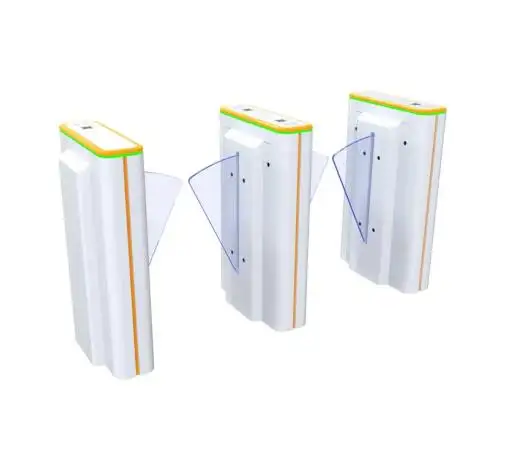
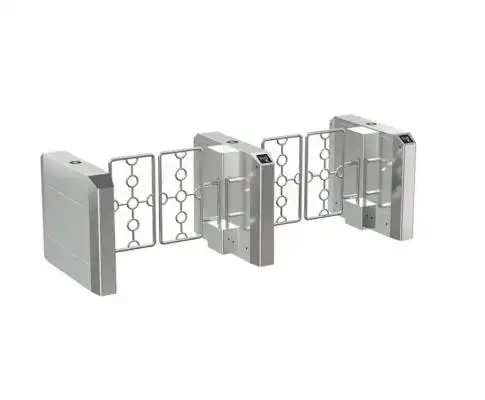
A Speed Gate Turnstile is no longer just a gate - it is a smart way to manage security, efficiency, and visitor flow. From crowded lobbies to high-traffic stations, these systems keep people moving while protecting every entry point. But what makes them different from traditional gates? And how can the right solution transform daily operations for your building? Let's explore the key features, hidden benefits, and practical reasons why more facilities are turning to this technology.
Why Modern Buildings Need Speed Gate Turnstiles
Busy public and commercial spaces reveal weaknesses in traditional access control fast. Metro stations, airports, stadiums, corporate headquarters and large campuses all share the same pain points: slow queues at peak times, staff-heavy checkpoints that cost money, and security gaps that permit tailgating or unauthorised entry. These problems hurt user experience, increase operational cost, and create liability exposure.
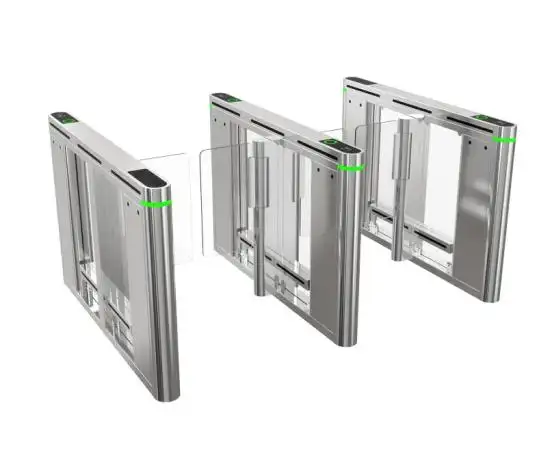
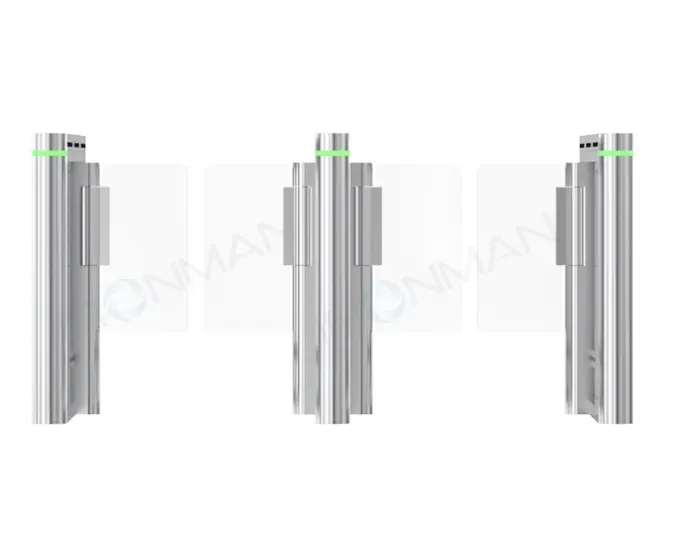
A well-engineered Speed Gate Turnstile fixes those issues by combining speed, accuracy and resilience. When the access cycle is completed in about one second, lines disappear and throughput becomes predictable. That's not just about hardware - it's about how the sensing, drive, and control logic work together to allow one person through safely and prevent a second person from following too closely. At IRONMAN Intelligent, we build systems in SUS 304 stainless steel that stand up to daily wear while looking refined in premium lobbies. The material choice and hairline finish deliver long-lasting corrosion resistance and a professional aesthetic that complements modern architecture.
Integration flexibility also matters. Our turnstiles accept RFID, QR code scanning, face recognition and more, so you can pick authentication methods that suit your site and scale them over time. And in an emergency, fire linkage keeps gates open for swift evacuation - safety without compromise.
✅ Core Features that Solve Industry Pain Points
Operators consistently report four recurring headaches: tailgating, confusing user flow, high maintenance overhead, and poor environmental tolerance. Solving those starts with a hardware architecture designed for speed and reliability, and continues through smart sensing and graceful failure modes.
- Security, speed and reliability
High-traffic sites demand rapid, accurate detection combined with robust motion control. Our Speed Gate Turnstile systems include multi-point infrared sensing and a brushless servo drive to deliver consistent, low-noise motion. The sensing array detects intrusion, tailgating, and lingering behavior, while the drive system completes access cycles quickly and smoothly - supporting practical throughputs of up to 45 people per minute in well-managed installations. Safety features such as an instant anti-pinch rebound (0.1s) and synchronized audio-visual alarms integrate with remote security platforms so teams can respond immediately to anomalies. These elements work together to lower false entries, reduce the need for extra staff, and generate reliable logs for auditing and analytics.
- Durable design and environmental readiness
Long-term value comes from equipment that resists the elements and is easy to maintain. Our gates are built from SUS 304 stainless steel with 1.5 mm thickness and are engineered to meet strict corrosion and temperature standards. They operate across a wide temperature range and are tolerant of challenging indoor and sheltered outdoor environments. Standard footprint dimensions (length 1500xwidth 120xheight 1000 mm) simplify planning, while adjustable passage widths - from 550-900 mm up to 1200 mm for barrier-free access - cover a wide set of user needs.
✅ Key operational benefits include:
- LED visual indicators and optional voice prompts to guide users clearly and reduce hesitation.
- Fire alarm integration that automatically holds gates open during emergencies.
- Modular internal components for quick service and minimal replacement complexity.
- Low-noise operation suitable for quiet corporate spaces, galleries, and premium retail.
These features reduce total cost of ownership: fewer service calls, longer intervals between maintenance, and less risk of unscheduled downtime.
Deployment Considerations & Practical Next Steps
Selecting a Speed Gate Turnstile is more than picking a spec sheet - it's matching system capabilities to real-world traffic, authentication patterns, and the physical environment. Here's a practical checklist to guide deployment planning and ensure a successful rollout.
- Begin with a traffic study: measure your peak pedestrian flow per minute and the mix of access types (staff badges, visitor QR codes, biometric users). This tells you the number of lanes and the type of sensing you'll need.
- Choose authentication strategy: do you need contactless RFID, mobile QR, or biometric verification? Most modern turnstiles support multiple methods so you can mix and match.
- Plan for integration: verify interfaces such as RS485 and relay outputs for building management systems, elevators, or incident response platforms. Wide-range voltage input simplifies installations in regions with varying grid standards.
- Think accessibility and evacuation: ensure at least one lane can expand to 1200 mm for wheelchair access and confirm fire-linkage behavior will meet local regulations.
- Prepare your maintenance plan: opt for modular designs and brushless drives that minimize parts and extend service intervals.
By following these steps, you'll avoid common pitfalls like undersized capacity, awkward queuing patterns, and integration headaches that delay project timelines.
✅ Return on Investment and Operational Gains
Installing a high throughput speed turnstile delivers measurable benefits. Faster throughput reduces queue-related complaints and can cut staffing needs at access points. Fewer false entries and automated logging improve security posture and simplify investigations. The stainless steel construction and modular design lower lifecycle expenses by reducing replacements and service calls. For publishers of public transport or managers of large venues, these gains translate into better crowd management, higher throughput during events, and a better experience for visitors.
✅ Real-world Use Cases
Speed Gate Turnstile systems are well-suited for:
- Transit hubs where peak flows require precise timing and minimal hesitation.
- Corporate lobbies that demand a premium look plus frictionless staff access.
- Stadiums and conference centers where bursts of thousands of users must be processed quickly.
- Smart city public facilities like libraries and hospitals that require robust, low-noise operation.
Each scenario asks for slightly different tuning - for example, transit hubs often prioritize raw throughput and durability, while corporate sites balance noise levels and aesthetics.
Final Thoughts and Call to Action
A Speed Gate Turnstile is more than a gate - it's a traffic-management and security platform. When chosen and deployed carefully, it reduces bottlenecks, strengthens checks against unauthorized entry, and elevates the user experience. IRONMAN Intelligent focuses on delivering systems that combine engineering rigor with real-world usability: stainless steel construction, multi-point sensing, modular servicing, and flexible integrations.
If you're considering an access control upgrade, start with a short site assessment. We'll review peak flows, preferred authentication methods, and integration needs, then propose a lane configuration and deployment plan tailored to your space. Contact IRONMAN Intelligent today to schedule a consultation or request a free flow analysis. Let us show you how a thoughtfully specified Speed Gate Turnstile can remove bottlenecks, improve security, and make entering your building effortless.
