


دەروازەی خولاوەی وێستگە: کام جۆری دەروازە دەگونجێت لەگەڵ وێستگەکەت, سیستەمی ئەی ئێف سی, وە پێداویستی رێگەپێدان
2026-04-05


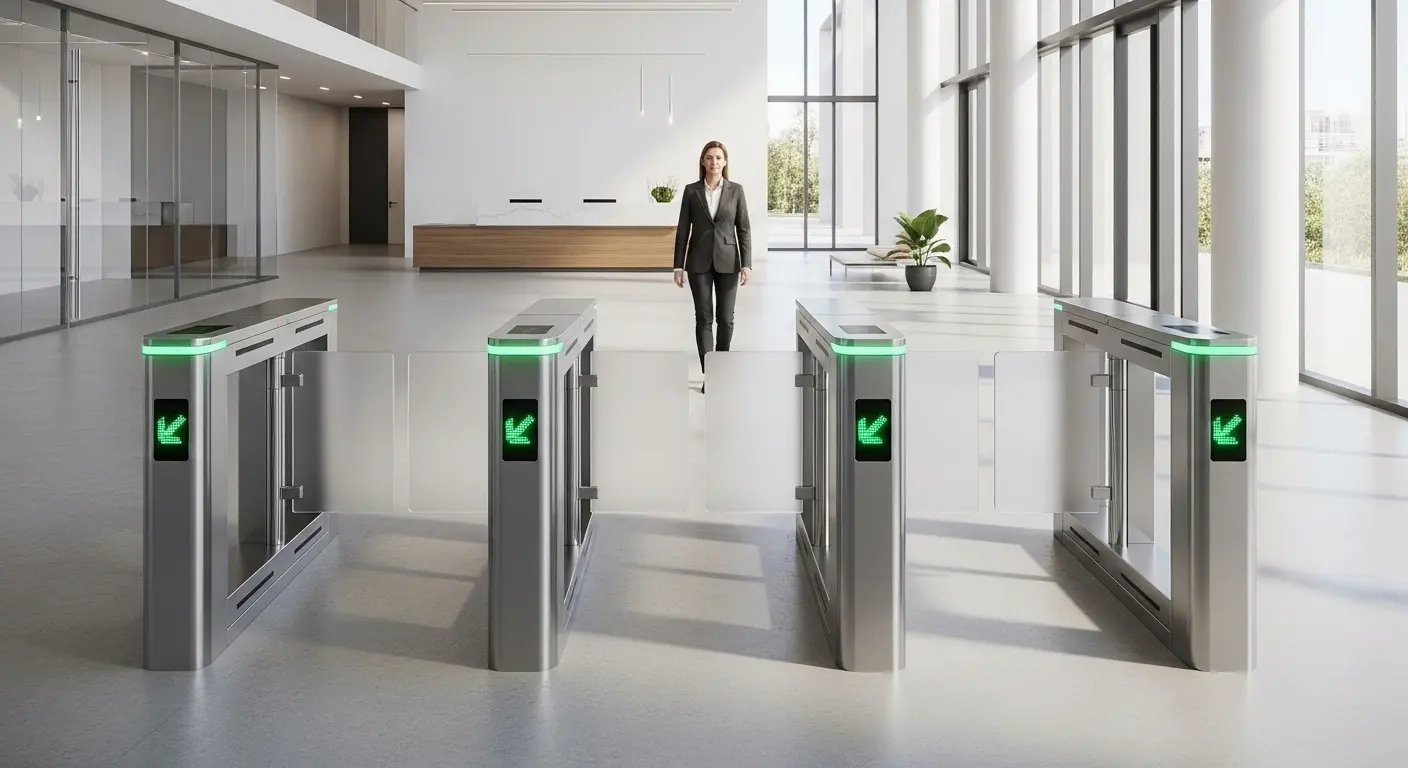
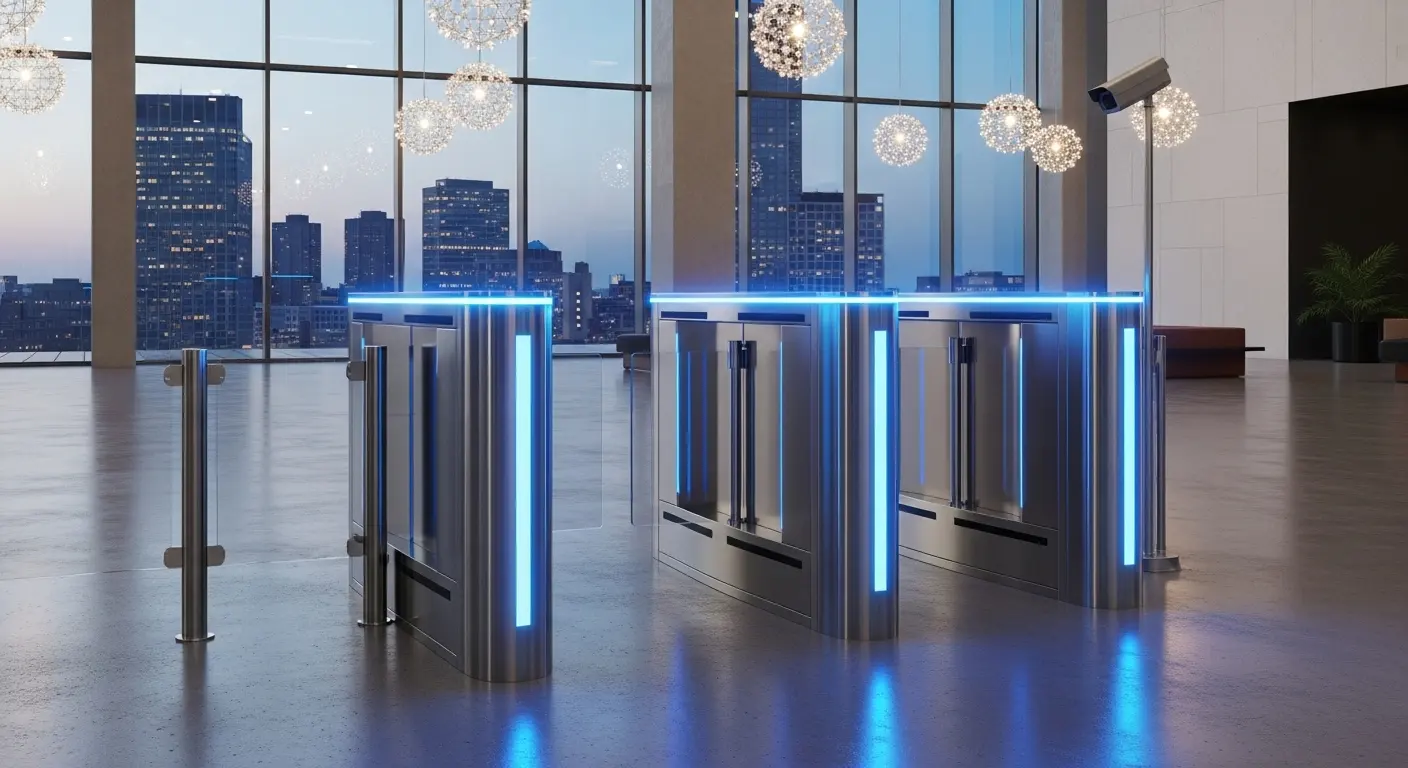
بۆ وێستگەی شەمەندەفەر یان سەکۆی میترۆ, دەروازەی خولاوەی وێستگەی ڕاست بەربەستێکی فلاپ بۆ ڕێڕەوی کرێی ستاندارد و دەروازەی خێرایی زیرەک بۆ پریمیوم, کۆتای بەرز. هەردووکیان 40-80 ppm بۆ هەر ڕێگایەک دەگەیەنن, تێکهەڵکێشی تەواوی بلیتی ئەی ئێف سی, وە نەرمی ئای پی لە دەرەوە گونجاوە بۆ ژینگەی وێستگەی گواستنەوە. بەپێی NFPA 101 کۆدی سەلامەتی ژیان, every station gate on a designated egress path must fail-safe open within 3 seconds on fire alarm or power loss.
ئەم ڕێنماییە ئەفسەرانی کڕینی دەسەڵاتەکانی گواستنەوە دەدات, station project managers, AFC system integrators, و بەڵێندەرانی EPC خشتەی بەراوردکردنی جۆری دەروازە لەسەر پێوەری تایبەت بە گواستنەوە, بەشی هاوتاکردنی سیناریۆی وێستگەیەک, a dwell-event throughput formula, an AFC integration matrix, outdoor IP rating guidance, مەرجەکانی ADA, وە ڕێگایەکی ڕاستەوخۆ بۆ وتەی راستەوخۆ لە کارگە. Start with the Ironman station gate range at the railway station pedestrian turnstile page.
Station Turnstile Gate Types — Compared on Transit-Specific Criteria
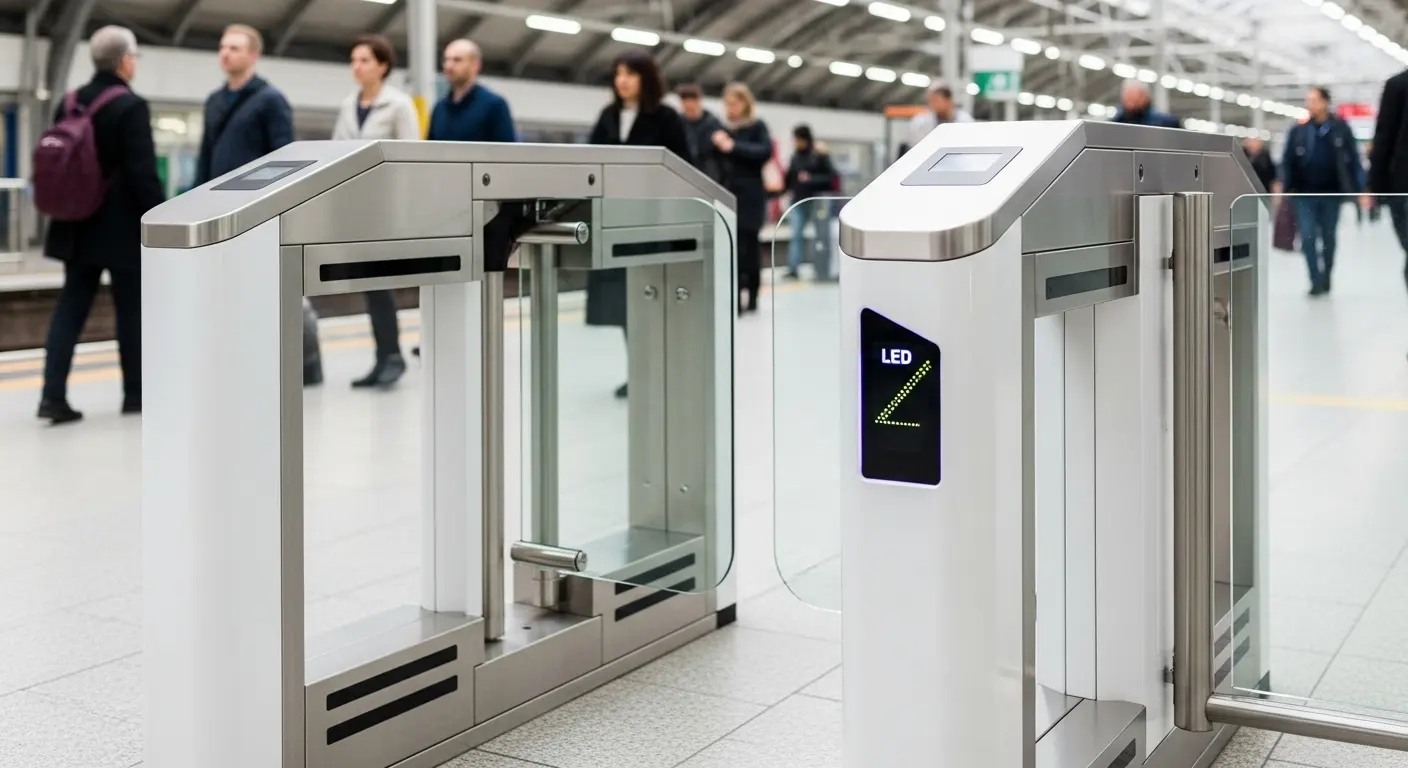
Five gate types cover the full range of station environments. Each fits a different station function, بارکردنی رێگەپێدەر, and outdoor resilience requirement. خشتەی خوارەوە بەراوردیان دەکات لەسەر ئەو پێوەرانەی کە گرنگن بۆ تایبەتمەندی گواستنەوە.
| جۆری دەروازە | ڕێڕەو | یەکخستنی یەکێتی تۆپی پێی ئاسیا | Outdoor IP | ADA / ڕاڕەوی فراوان | سەپاندنی کرێ | Best Station Context | مەودای یەکە |
|---|---|---|---|---|---|---|---|
| بەربەستی لێدان | 40–60 پی پی ئێم | RFID, کیو آر, EMV, ئێن ئێف سی | IP54 / IP65 opt. | جیاوازی هێڵی فراوان | بەرز | Railway platform, metro standard lane | $450-3,000 دۆلار |
| دەروازەی خێرایی زیرەک | 50–80 پی پی ئێم | RFID, کیو آر, EMV, ئێن ئێف سی, بایۆمەتری | IP54 | جیاوازی هێڵی فراوان | مامناوەند | Premium terminus, high-throughput station | $1,300–8,000 دۆلار |
| سووڕانەوەی سێ پایه | 25–40 پی پی ئێم | RFID, کیو آر, بارکۆد | IP54 | Separate ADA lane | مامناوەند | Secondary entrance, BRT, budget retrofit | $200–1,200 دۆلار |
| خولای پڕ بەرزی | 20-30 پی پی ئێم | RFID, بایۆمەتری | IP65 | Separate ADA lane | زۆرترین | Unmanned outdoor platform, دەوروبەر | $600–4,000 دۆلار |
| دەرگای خلیسکانی شوشە | 30–50 پی پی ئێم | RFID, کیو آر, ئێن ئێف سی | IP54 | جیاوازی هێڵی فراوان | مامناوەند | Premium mezzanine, city terminal | $800–4,000 دۆلار |
Flap Barrier and Smart Speed Gate — High-Volume Station Fare Lanes
The flap barrier is the standard station turnstile gate for high-volume railway and metro station fare lanes. لە 40-60 ppm بۆ هەر ڕێگایەک, it clears the peak passenger burst during a train dwell event without queue formation. Its sensor-based anti-tailgating triggers an alarm before a second person completes passage — combining physical and electronic fare enforcement above what a tripod arm delivers alone.
The smart speed gate suits high-throughput railway termini and premium city station environments. At 50–80 ppm and a 0.2-second unlock time, it processes peak passenger volumes faster than any other waist-height gate type. For the Ironman smart speed gate used in premium station deployments, ببینەsmart speed gate turnstile page.
Tripod Turnstile and Full Height — Secondary and Outdoor Station Positions
Tripod turnstiles remain the most cost-effective station gate for secondary entrances, budget retrofit positions, and BRT standard lanes. At $200–$1,200 per lane and 25–40 ppm, they deliver RFID/QR AFC integration at the lowest per-lane capital cost. A separate ADA bypass lane is required alongside every tripod gate bank.
Full height turnstiles suit unmanned outdoor station positions — exposed platform perimeters, unstaffed secondary entrances, and fare barrier perimeters requiring physical access control. Their IP65 outdoor rating and physical cage profile eliminate jump-over at unattended positions. For the Ironman inclined octagonal tripod turnstile used in budget station deployments, ببینەinclined octagonal tripod turnstile page.
Station Turnstile Gate by Station Type — Which Gate Belongs Where
The station type and peak passenger load determine the gate specification — not just the transit line category. A high-volume railway terminus and a light rail stop in the same system require completely different gate types and lane counts.
| جۆری وێستگە | دەروازەی پێشنیارکراو | ڕێڕەوەکان | پێداویستی کلیل |
|---|---|---|---|
| High-volume railway terminus | بەربەستی کڵاوەکان | 4–10 + ADA | زۆرترین ڕێڕەو, ئەی ئێف سی, دژە دواوە, ADA |
| Standard metro platform | بەربەستی کڵاوەکان | 2–5 + ADA | ڕێڕەو, ئەی ئێف سی, ADA |
| تێرمینالی BRT | Tripod or flap barrier | 2–4 + ADA | تێچووی کەم, RFID/QR AFC, ADA bypass |
| Light rail stop | Tripod or flap barrier | 1–3 + ADA | شوێن پێی پەستێنراو, RFID/QR AFC, ADA |
| Unmanned outdoor platform | سووڕانەوەی بەرزی تەواو | 1–2 | IP65, maximum perimeter control |
| Premium city terminal / mezzanine | Smart speed gate or glass sliding gate | 2–6 | جوانی, توانای بەرز, ئەی ئێف سی |
| دووەم / دەروازەی دەرەوەی لوتکە | Tripod or inclined arc tripod | 1–2 | تێچووی کەم, ئەی ئێف سی, ADA bypass |
High-Volume Railway Terminus and Metro Platforms
A high-volume railway terminus requires a minimum gate bank throughput of 200+ passengers per minute during peak dwell events. At 40–60 ppm per flap barrier lane, a bank of 4–5 lanes covers this requirement with one reserve lane for maintenance periods. Based on our railway station deployment analysis, the most consistent throughput failure in station gate installations is sizing for the average hourly entry rate rather than the peak dwell-event burst — where 80–150 passengers converge in a 60–90 second window.
Standard metro platforms with 100–200 ppm capacity need 2–4 flap barrier lanes plus one ADA wide-aisle lane at every gate bank. For the Ironman glass sliding gate used in premium city terminals, ببینەلاپەڕەی سوڕانەوەی دەروازەی خلیسکانی شوشە.
BRT Terminals, Light Rail Stops, and Secondary Entrances
BRT terminals and light rail stops operate at lower peak loads than a mainline railway terminus. A tripod turnstile at 25–40 ppm handles the volume at most BRT and light rail fare positions at the lowest per-lane capital cost. Per ITDP BRT Guide data, retractable wing gates reach 60 پی پی ئێم, while rotating arm tripods reach 25–40 ppm at the same position. Specify a flap barrier where a BRT station serves a major transfer hub with higher peak loads.
Secondary and off-peak station entrances need one to two tripod lanes plus one ADA bypass lane. The inclined arc tripod configuration suits tight station footprint positions where a standard tripod cabinet width exceeds the available aisle space. For the inclined arc tripod turnstile configuration, ببینەinclined arc tripod turnstile page.
AFC Integration for Station Turnstile Gates
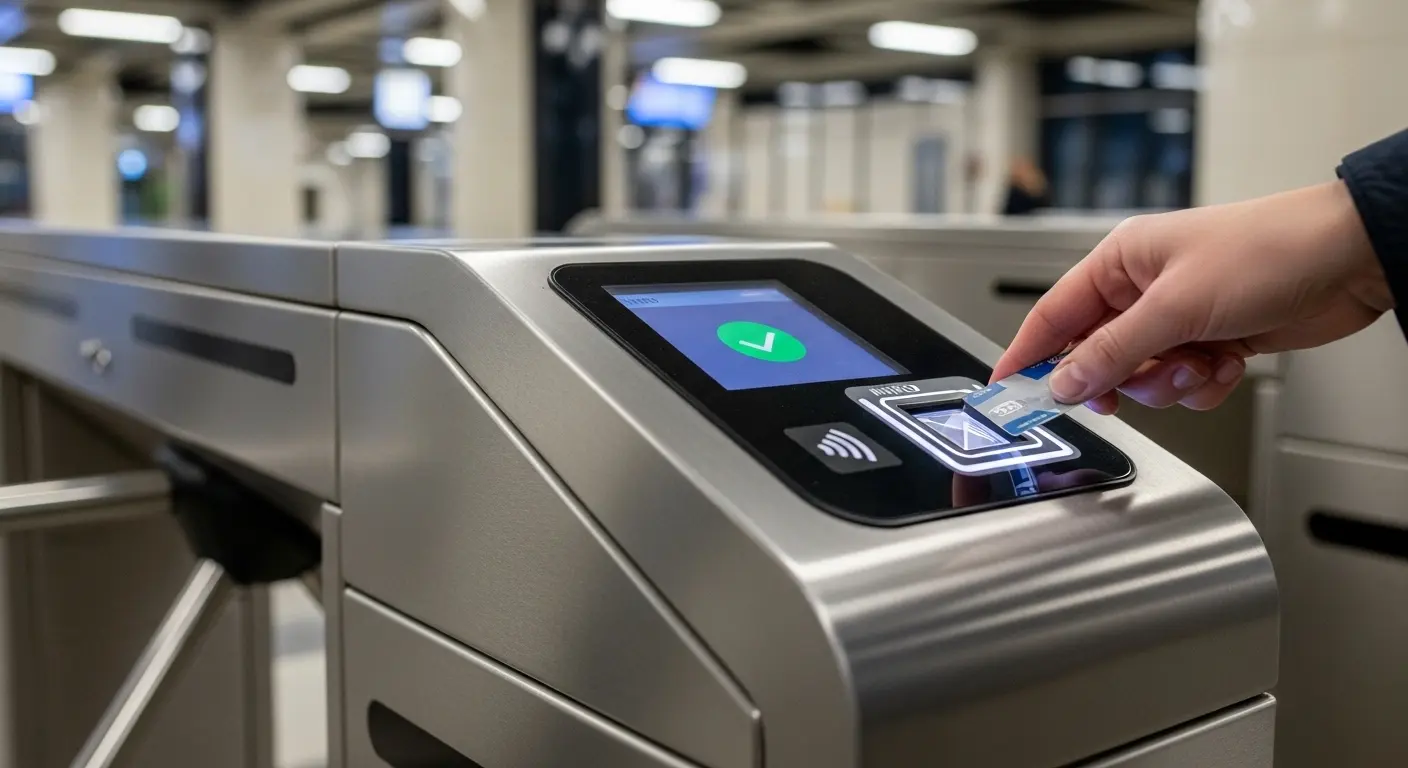
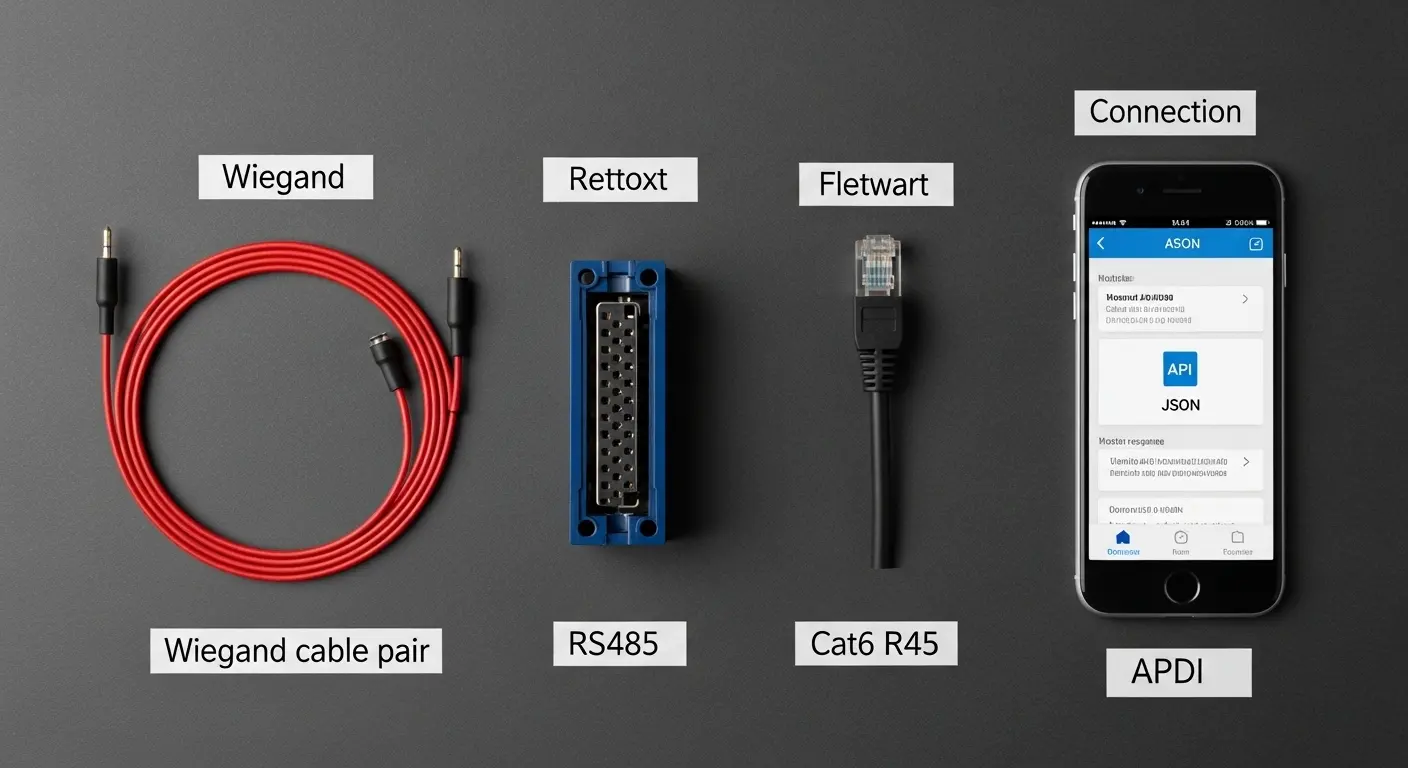
A station turnstile gate must accept the transit authority's ticketing credential from the specification stage — not as a post-installation configuration. Each AFC protocol requires specific reader hardware built into the gate unit at manufacture.
| بڕواپێدانی بلیتکردن | پرۆتۆکۆل | هاردوێری خوێنەرەوە | جۆرەکانی دەروازەی گونجاو |
|---|---|---|---|
| کارتی گواستنەوەی RFID | ئایزۆ 14443 / ویگاند | 13.56 MHz reader | بەربەستی کڵاوەکان, دەروازەی خێرایی, سێپایە, بەرزی تەواو |
| بلیتی ئەلیکترۆنی QR (مۆبایل یان چاپکراو) | TCP/IP | 2سکانەری بارکۆدی D | بەربەستی کڵاوەکان, دەروازەی خێرایی, سێپایە |
| EMV contactless bank card | ئایزۆ 14443 | EMV contactless reader | بەربەستی کڵاوەکان, دەروازەی خێرایی |
| NFC Mobile pay | ئایزۆ 18092 / HCE | خوێنەری NFC | بەربەستی کڵاوەکان, دەروازەی خێرایی |
| ناسینەوەی دەموچاو | TCP/IP | مۆدیولی کامێرای IP | بەربەستی کڵاوەکان, دەروازەی خێرایی |
| Legacy barcode / magnetic stripe | RS232 | Swipe / scan reader | سێپایە (تەنها سیستەمە کۆنەکان) |
Based on our station deployment experience, the most consistent AFC specification gap is the lack of a dual-reader configuration — a 13.56 MHz RFID reader and a QR scanner in the same gate unit. This covers both transit card users and e-ticket users from one lane without separate channels for each credential type. Confirm both the AFC protocol and the required reader hardware before placing the gate order. For the Ironman anti-tailgating gate with multi-credential configuration, ببینەلاپەڕەی دەروازەی خولاوەی AB دژە دواوە.
Throughput Planning and Outdoor IP Rating for Station Gates
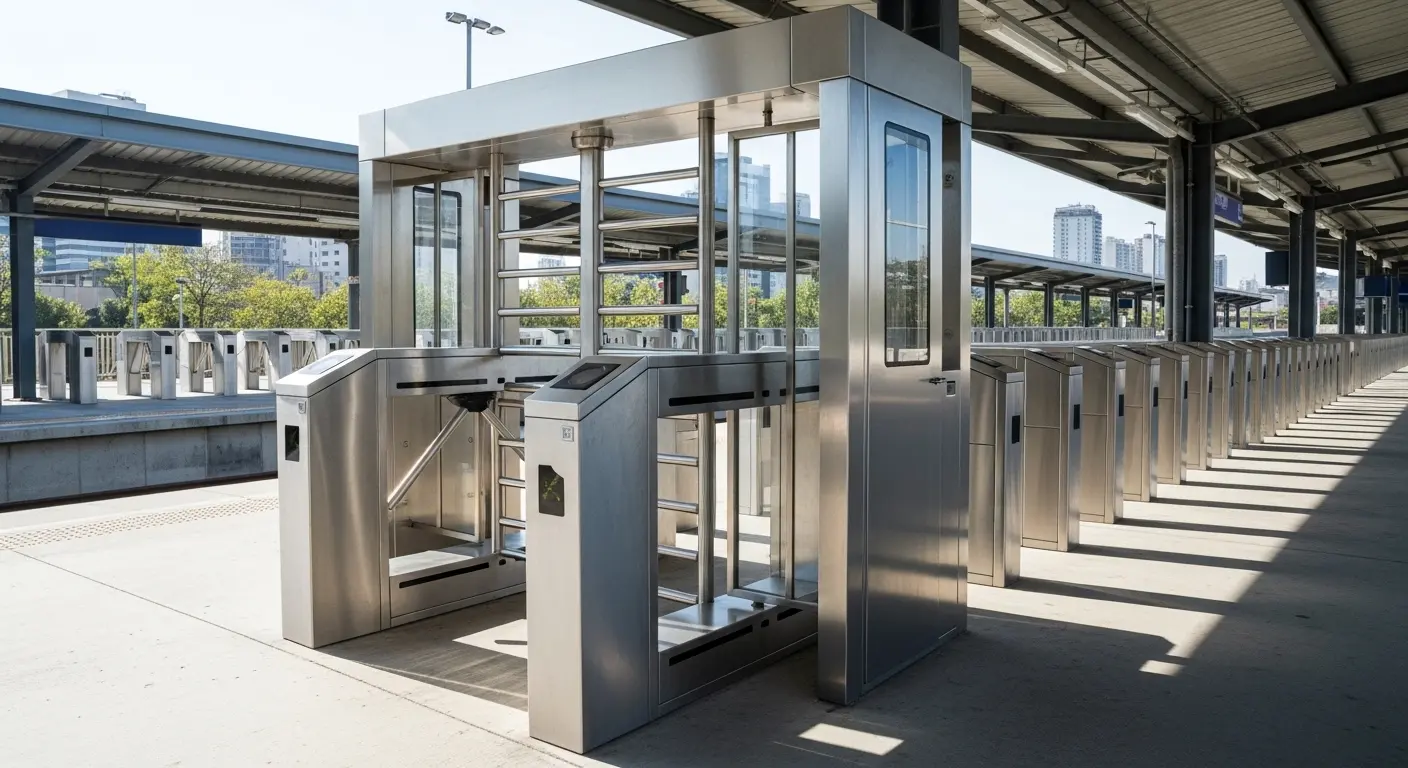
Two specification decisions cause the most rework in station gate projects: under-specifying lane count because of incorrect throughput calculations, and under-specifying the outdoor IP rating for the station's physical environment.
Dwell-Event Throughput Formula
ڕێگاکان = سەرنشینان بۆ هەر شەمەندەفەرێک ÷ پەنجەرەی نیشتەجێبوون (چرکە) × 60 ÷ دەروازە ppm
نموونە 1 — Railway terminus, 600-شەمەندەفەری سەرنشین, 90-نیشتەجێبوونی دووەم, بەربەستی شەپۆل لە 50 پی پی ئێم:
600 ÷ 90 × 60 = 400 پی پی ئێم. 400 ÷ 50 = 8 ڕێگاکان →8 کەمترین ڕێڕەوی بەربەست بفڕێ.
نموونە 2 — Light rail stop, 150 ڕێبوارەکان, 60-نیشتەجێبوونی دووەم, سێپایە لە 35 پی پی ئێم:
150 ÷ 60 × 60 = 150 پی پی ئێم. 150 ÷ 35 = 4.3 ڕێگاکان →5 کەمترین ڕێڕەوی سێپایه.
قەبارەی لوتکەی ڕووداوی نیشتەجێبوون — نەک تێکڕای رێژەی چوونە ژوورەوەی کاتژمێری. Average-rate sizing consistently under-specifies lane count for high-volume station deployments.
Outdoor IP Rating for Station Environments
| Station Environment | Minimum IP | Recommended IP | Rationale |
|---|---|---|---|
| Indoor enclosed station | IP42 | IP54 | تۆز, occasional splash |
| Semi-covered platform | IP54 | IP54 | Rain splash, wind-driven dust |
| Exposed outdoor platform | IP54 | IP65 | بارانی راستەوخۆ, temperature cycling |
| Coastal / humid environment | IP65 | IP65 | داخوران, هەوای سوێر, شێی بەرز |
| BRT street-level terminal | IP54 | IP65 | Full outdoor exposure |
In our experience with outdoor station gate deployments, every project where IP54 hardware was specified for a fully exposed platform required an upgrade to IP65 within 12 months — driven by condensation ingress into the gate controller from temperature cycling between day and overnight lows. Specify IP65 for any exposed outdoor station platform at the point of order.
ADA and Fail-Safe Requirements for Station Turnstile Gates
پابەندبوون بە ADA و NFPA 101 fail-safe egress are mandatory requirements for every station turnstile gate deployment — not optional additions.
ADA Accessible Gate Requirements
لە ژێر ستانداردەکانی ADA بۆ دیزاینی بەردەست (ویلایەتە یەکگرتووەکان. بۆردی چوونە ژورەوە), every station fare gate bank must include at least one accessible aisle with a minimum 32-inch (812 مم) پانیی خاوێن بکاتەوە. پەسەندترین تایبەتمەندی گواستنەوەی مۆدێرن بریتییە لە 48 inches or wider — accommodating wheelchair, عەرەبانەکە, and luggage access simultaneously. The ADA lane must be in the same gate bank — not at a separate station location. For station deployments serving government or civic transit functions, ببینەgovernment facility access gate page.
NFPA 101 دەرچوون لە سەلامەتی سەرنەکەوتوو
بەپێی NFPA 101 کۆدی سەلامەتی ژیان, every station turnstile gate on a designated emergency egress path must retract to the fully open position within 3 seconds of fire alarm activation or mains power loss — and remain open for the full duration of the emergency. The fail-safe trigger must connect directly to the station's fire alarm control panel via a dry-contact input. A software-based command subject to network delay does not satisfy this requirement. یەکخستنی تەختەی ئاگر و کاتی وەڵامدانەوەی سەلامەتی شکست لە قۆناغی تایبەتمەندیدا پشتڕاست بکەوە — پێش پەسەندکردنی پلانەکە.
Getting a Factory-Direct Quote for Your Station Turnstile Gate
Four items are sufficient for a full factory-direct quote within 12 کاتژمێرەکانی کار.
- Define your station type and peak load: railway terminus / metro platform / تێرمینالی BRT / light rail stop / دەروازەی دووەم + توانای شەمەندەفەر و پەنجەرەی نیشتەجێبوون لە چرکەدا
- ژماردنی ژمارەی هێڵەکانت: هاوکێشەی ڕووداوی نیشتەجێبوون جێبەجێ بکە — سەرنشینان بۆ هەر شەمەندەفەرێک ÷ چرکەکانی مانەوە × 60 ÷ دەروازە ppm = ڕێگاکان; یەک ڕێڕەوی فراوانی ADA زیاد بکە بۆ هەر بانکێکی دەروازە
- Confirm AFC protocol and IP rating: RFID / کیو آر / EMV / NFC — confirm the transit authority's ticketing protocol; confirm outdoor IP rating for the station's environmental exposure
- Submit your station brief: سەردانی solutions hub for a factory-direct station turnstile gate quote within 12 کاتژمێرەکانی کار, لەگەڵ CE, ISO9001, ئێف سی سی, وە بەڵگەنامەکانی بڕوانامەی ڕۆ ئێچ ئێس لەخۆ دەگرێت
پرسیارە دووبارە کراوەکان
پرسیار 1: What type of turnstile gate is best for a railway station?
For a high-volume railway station, a flap barrier is the best station turnstile gate for standard fare lanes — delivering 40–60 ppm per lane, دژە دەروازەی دواوە لەسەر بنەمای هەستەوەر, and full AFC ticketing integration (RFID, کیو آر, EMV, ئێن ئێف سی). A smart speed gate at 50–80 ppm suits premium termini and high-throughput city stations where throughput is the primary operational concern. A tripod turnstile at 25–40 ppm suits secondary entrances and budget retrofit positions at $200–$1,200 per lane. A full height turnstile at 20–30 ppm suits unmanned outdoor platform perimeters where maximum physical access control and IP65 outdoor resilience are required. The correct gate type depends on the station function — not just the transit line category.
Q2: How does a station turnstile gate integrate with AFC ticketing systems?
A station turnstile gate integrates with AFC ticketing systems through specific reader hardware built into the gate unit: a 13.56 مێگاهێرتز ISO 14443 RFID reader for transit cards and EMV bank cards, a 2D barcode scanner for QR e-tickets, an ISO 18092 خوێنەری NFC بۆ پارەدانی مۆبایل, and a face recognition camera module for biometric verification. Most transit authorities now specify dual-reader configuration — RFID plus QR scanner — so one gate lane covers both transit card tapping and e-ticket scanning without separate lanes. Confirm the transit authority's AFC protocol and required reader hardware at the specification stage. Post-installation reader hardware changes typically add 3–6 weeks to commissioning and increase project cost by 8–15%.
Q3: What throughput does a station turnstile gate need to handle?
هاوکێشەی ڕووداو-نیشتەجێ بەکاربهێنە: گەشتیاران بۆ هەر شەمەندەفەرێک ÷ پەنجەرەی نیشتەجێبوون (چرکە) × 60 ÷ دەروازە ppm = ڕێگاکان. For a 600-passenger railway train with a 90-second dwell and a flap barrier at 50 پی پی ئێم, کەمترین ژماردنی ڕێگا بریتییە لە 8 ڕێڕەوەکان. For a 150-passenger light rail stop with a 60-second dwell and a tripod at 35 پی پی ئێم, کەمترینیان بریتیە لە 5 ڕێڕەوەکان. قەبارەی لوتکەی ڕووداوی نیشتەجێبوون — نەک تێکڕای رێژەی چوونە ژوورەوەی کاتژمێری. Per ITDP BRT Guide data, retractable wing gates reach 60 پی پی ئێم, while rotating arm tripods reach 25–40 ppm at the same position.
پرسیار 4: What IP rating does an outdoor station turnstile gate need?
For a semi-covered station platform with intermittent rain splash, IP54 is the minimum acceptable outdoor IP rating for a station turnstile gate enclosure. For a fully exposed outdoor platform — direct rain, temperature cycling, coastal or high-humidity environments — IP65 is the correct specification. In our outdoor station deployment experience, every project where IP54 hardware was specified for a fully exposed platform required an upgrade to IP65 within 12 months — driven by condensation ingress into the gate controller from day-to-night temperature cycling. Specify IP65 for any exposed outdoor station platform at the point of order.
Q5: What are the ADA requirements for a station turnstile gate?
لە ژێر ستانداردەکانی ADA بۆ دیزاینی بەردەست (ویلایەتە یەکگرتووەکان. بۆردی چوونە ژورەوە), every station fare gate bank must include at least one accessible aisle with a minimum 32-inch (812 مم) پانیی خاوێن بکاتەوە. The preferred transit specification for new construction is 48 inches or wider — accommodating wheelchair, عەرەبانەکە, and luggage access from one lane. The ADA lane must be part of the same gate bank, not at a separate station location. Tripod turnstiles and full height turnstiles require a separate ADA lane alongside the standard gate bank — flap barriers and smart speed gates are available in wide-lane configurations that satisfy the ADA requirement within the same unit.
Q6: What is the fail-safe requirement for a station turnstile gate?
بەپێی NFPA 101 کۆدی سەلامەتی ژیان, every station turnstile gate on a designated emergency egress path must retract to the fully open position within 3 seconds of fire alarm activation or mains power loss, and remain open for the full duration of the emergency event. The fail-safe trigger must connect directly to the station's fire alarm control panel via a dry-contact input — a software command subject to network delay does not satisfy this requirement. A single-action manual override must also be accessible from both sides of the gate at all times. Confirm fire panel integration and fail-safe response time at the specification stage, before layout approval.
Three Decisions That Define Your Station Turnstile Gate Specification
Match gate type to station function and dwell-event peak load — not average hourly rate. Confirm AFC ticketing protocol and dual-reader configuration at the point of order. Specify IP65 for any exposed outdoor station platform from the start. These three decisions prevent the most common rework scenarios in station gate projects and ensure the gate system passes transit authority acceptance testing on the first attempt. Submit your station type, train load, dwell window, AFC protocol, and outdoor IP requirement to the solutions hub for a factory-direct station turnstile gate quote within 12 کاتژمێرەکانی کار.
