




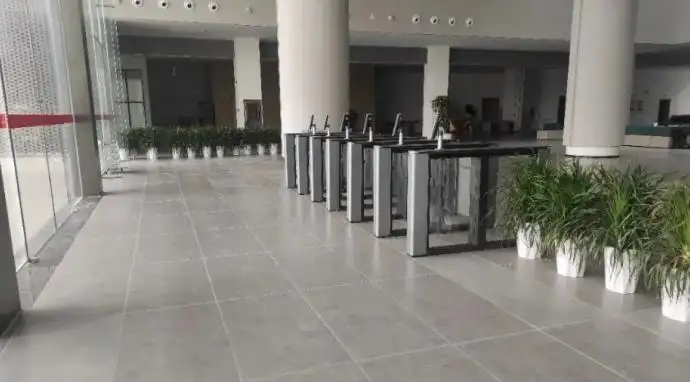
UK Speed Gate Turnstile Access Control Systems
2025-10-27


Across the United Kingdom, from the bustling financial heart of London and the historic university cities to vital transport hubs and secure government buildings, the need for effective, efficient, and compliant access control is paramount. In an era of evolving security challenges and heightened operational demands, traditional methods of managing pedestrian flow – manual checks, basic locks, or outdated barriers – often fall short. They can create bottlenecks, offer insufficient security, and fail to meet the stringent regulatory standards expected in modern UK facilities.
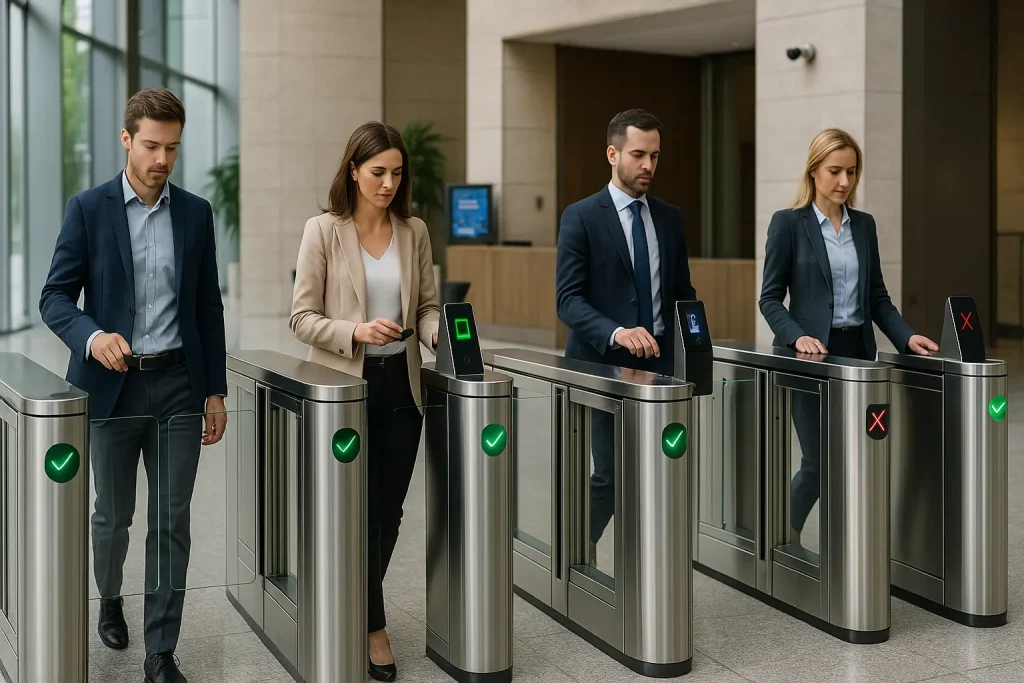
The solution lies in sophisticated, automated systems specifically designed for these demanding environments: UK speed gate turnstile access control solutions. These are far more than simple gates; they represent an integrated approach combining advanced physical security hardware with intelligent access control software, tailored to meet the unique requirements of the United Kingdom market. This includes navigating specific building codes, fire safety regulations, accessibility mandates (like the Equality Act), data protection considerations, and the technological preferences prevalent across British industries.
Understanding the nuances of deploying these systems within the UK context is crucial for architects, security consultants, facility managers, and building owners aiming for secure, efficient, and compliant operations. This guide provides an expert, comprehensive exploration of UK speed gate turnstile access control, covering the technology, benefits, critical compliance factors, prevailing trends, and best practices for implementation.
What Defines a "UK Speed Gate Turnstile Access Control" System?
A UK speed gate turnstile access control system is an automated pedestrian barrier solution specifically configured, certified, and implemented to meet the distinct regulatory landscape (including fire safety BS standards, HSE requirements, Equality Act), technological infrastructure, security needs, and aesthetic preferences common in facilities across the United Kingdom.
While built upon core speed gate technologies found in diverse Regional Markets, systems destined for the UK require specific adaptations. These go beyond basic functionality and incorporate:
- Rigorous Compliance: Adherence to UK-specific Building Regulations, British Standards (BS) for fire safety and electrical installation (BS 7671), Health and Safety Executive (HSE) guidelines, and the Equality Act 2010 for accessibility. CE marking (or the post-Brexit UKCA mark) is fundamental.
- Technology Alignment: Integration with access control platforms and credential types commonly used in the UK (strong presence of secure RFID like MIFARE, growing mobile adoption, cautious approach to biometrics).
- Environmental Considerations: Designs capable of reliable operation in the UK's variable climate (dampness, temperature fluctuations).
- Aesthetic Sensibilities: Often favouring functional, durable designs, though high-end options are sought for prestigious corporate settings, sometimes differing from the specific styles seen in a
France intelligent speed gate entrance systemor a typicalNetherlands speed gate turnstile building lobby.
It’s about implementing globally proven technology with meticulous attention to UK-specific legal, technical, and operational contexts.
Why Are These Systems Essential Across the UK?
Speed gate turnstile systems are essential in the UK for robust security in diverse settings (corporate, public sector, transport), efficient management of high pedestrian traffic (especially in major cities like London), mandatory compliance with stringent UK safety and accessibility regulations, the need for reliable audit trails, and the drive to modernize building infrastructure.
The demand across the UK is driven by several key factors:
- Security Needs: Protecting commercial assets, sensitive government information, ensuring passenger safety in transport hubs, and securing educational campuses requires effective physical access control.
- Efficiency in Dense Environments: Major UK cities, particularly London, experience significant pedestrian congestion. Automated speed gates are crucial for preventing bottlenecks in busy office lobbies, tube stations, and public buildings.
- Compliance is Non-Negotiable: The UK has a highly regulated environment. Meeting fire safety standards (especially regarding emergency egress), HSE workplace safety requirements, and accessibility mandates under the Equality Act is a legal obligation. These systems provide a controllable, compliant solution.
- Auditability: The ability to generate accurate, timestamped logs of who accessed which areas is vital for security investigations, compliance audits (e.g., GDPR data access, industry-specific regulations), and operational analysis.
- Modernisation: Replacing outdated barriers or manual checks with sleek, efficient speed gates enhances a building's image, improves user experience, and aligns with modern operational practices.
How Do Speed Gates Operate within the UK Context?
UK speed gate systems validate credentials (commonly secure RFID cards or increasingly mobile apps) against a central access control system (on-premise or cloud). Upon authorization, barriers open rapidly. Integrated sensors ensure single, safe passage and prevent tailgating, while event data is logged securely, adhering to UK safety and potentially data protection principles (like GDPR remnants/UK GDPR).
The operational flow is designed for efficiency and compliance:
- Credential Presentation: User presents their credential – often a 13.56 MHz RFID card (MIFARE is very common in the UK) or a mobile credential (NFC/BLE) – to the reader integrated into the turnstile.
- Secure Validation: The reader communicates securely (OSDP increasingly preferred over older Wiegand) with the Access Control System (ACS). Both on-premise solutions (from UK-centric providers like Paxton or global players) and cloud-based platforms are prevalent.
- Permission Check: The ACS verifies the credential against its database based on role, time, and location permissions.
- Open Command: If authorized, the ACS sends an encrypted "open" command to the gate controller.
- Gate Actuation & Safety: The motor activates, opening the barriers. Crucially, sophisticated safety sensors ensure the barriers will not close on a person. Green indicators signal it's safe to proceed.
- Passage Monitoring & Security: High-density sensors track the user, verify single passage to prevent tailgating, and confirm the correct direction of travel.
- Fail-Safe Closure & Logging: Once the user is clear and safety zones are unobstructed, the barriers close securely. The event is logged in the ACS, with data handling potentially subject to UK GDPR requirements.
My Experience: "The biggest 'character' trait of UK speed gate projects is the intense focus on fire safety integration. Getting the fail-safe operation certified to the correct British Standards is paramount. We always involve fire safety consultants early and conduct rigorous testing witnessed by the relevant authorities. It's not just about making the gate open on alarm; it's about proving it meets the specific requirements of BS EN standards for reliability and performance under emergency conditions."
Key Features Tailored for the UK Market
Systems deployed in the UK must prioritize compliance with CE/UKCA marking, rigorous fire safety integration (BS standards), robust support for prevalent secure RFID (MIFARE) and growing mobile credential usage, durable designs suitable for the UK climate, and often, functional yet aesthetically considered designs.
- Compliance Markings (CE/UKCA): Essential for demonstrating conformity with UK health, safety, and environmental protection standards.
- Stringent Fire Safety Integration: Must seamlessly integrate with fire alarm systems according to relevant British Standards (e.g., BS 5839, parts of EN 54) to guarantee fail-safe operation for emergency egress. This is often more rigorously enforced than in some other Regional Markets.
- UK-Centric Credential Support:
- Secure RFID Dominance: Strong existing base and preference for 13.56 MHz MIFARE technology (Classic, DESFire). Readers must offer excellent MIFARE compatibility. Legacy 125 kHz Prox exists but is declining due to security concerns.
- Growing Mobile Adoption: Increasing demand for readers supporting NFC and BLE for smartphone/wearable credentials.
- Cautious Biometric Approach: GDPR's legacy and the UK's own data protection laws mean biometric deployment (like facial recognition) requires careful planning around explicit consent and data security, making it less common for general access than in regions like the Middle East (e.g.,
UAE speed gate access control turnstilesystems).
- Durability & Environmental Suitability: Gates need robust construction and adequate sealing (appropriate IP ratings) to withstand the often damp, variable UK climate and heavy footfall in public areas. Materials resistant to corrosion are important.
- Design Sensibilities: While high-end bespoke designs exist (especially in London finance/corporate sectors), there's often a strong appreciation for robust, functional, and durable designs that offer long-term reliability. Aesthetics are important but may sometimes be secondary to proven performance, contrasting perhaps with the primary focus on aesthetics in a
France intelligent speed gate entrance systemfor a prestige building.
What Types of Speed Gates Are Common in the UK?
Swing barrier speed gates are very common in UK office and corporate environments. Flap barriers are heavily utilized in high-throughput settings like the London Underground and major airports. Tripod turnstiles remain prevalent in stadiums, leisure centres, and some older transport hubs. Optical turnstiles are used in prestigious, staffed lobbies.
- Swing Barriers: Widely adopted in corporate HQs, modern office blocks, and public sector buildings across the UK. Their balance of controlled passage, aesthetic options, and ease of creating compliant accessible lanes makes them a versatile choice.
- Flap Barriers: The go-to solution for managing extreme passenger volumes in London Underground stations, major railway termini (railway station pedestrian turnstile context), and airport terminals (airport speed gate system context). Their speed is essential for preventing queues during peak hours.
- Tripod Turnstiles: Still a common sight at football stadiums, gyms, libraries, and some older stations due to their robustness, relatively low cost, and simple mechanism. They provide basic access control and flow management.
- Optical Turnstiles: Employed in high-end corporate reception areas in cities like London, where maintaining an open, prestigious feel is desired, and where reception or security staff are always present to monitor access and respond to alarms. Explore more via resources on Optical turnstiles.
- Full-Height Turnstiles: Used primarily for perimeter security at industrial sites, utilities, or unmanned entrances where maximum physical security is required over speed or aesthetics.
How Do Speed Gates Enhance Security in UK Facilities?
UK speed gate turnstile access control enhances security by providing a reliable physical barrier against unauthorized access, critically preventing tailgating attempts through sensor technology, ensuring consistent 24/7 enforcement of access rules, and generating crucial audit trails for security investigations and compliance (important for sectors regulated by bodies like the CPNI).
- Physical Barrier & Tailgating Prevention: Gates provide an immediate physical control point, significantly more effective than open lobbies or simple doors. Advanced sensors detect and alarm on tailgating attempts, addressing a key vulnerability.
- Automated Policy Enforcement: Ensures that only individuals with the correct permissions, at the correct times, can access restricted areas. This consistency is vital in large organizations or multi-tenant buildings.
- Audit Trails for Accountability & Compliance: The automatically generated logs provide irrefutable evidence of access events. This is essential for investigating security incidents and demonstrating compliance with internal policies or external regulations (e.g., data protection access logs, CPNI guidelines for critical infrastructure).
- Deterrence: Visible, modern gate systems act as a deterrent to casual intrusion or opportunistic theft.
Improving Efficiency: Managing Flow in UK Buildings
Speed gates dramatically improve pedestrian flow in busy UK buildings by processing people much faster than manual methods (often 30-40+ PPM). This reduces queues, optimizes staff deployment, enhances the user experience, and supports efficient building operations, particularly critical in high-density urban centers.
- High Throughput for Busy Hubs: Essential for preventing bottlenecks during morning commutes in London office blocks, managing crowds at major transport interchanges, or ensuring smooth entry to large corporate campuses. The speed difference compared to manual checks is substantial.
- Staff Optimization: Automating routine access validation allows security guards or reception staff to focus on more complex tasks – visitor assistance, security monitoring, incident response – leading to more efficient use of personnel.
- Enhanced User Experience: A fast, seamless, reliable entry process improves satisfaction for employees, tenants, and visitors. In the competitive UK property market, modern amenities like efficient access control are increasingly expected.
- Data for Operational Insights: Gate passage data can provide valuable insights into building usage patterns, peak traffic times, and lane utilization, helping facility managers optimize operations, staffing schedules, and even energy consumption.
UK Compliance Deep Dive: Fire Safety, HSE, Equality Act
Compliance with UK-specific regulations is paramount for any speed gate installation. This includes rigorous adherence to fire safety standards (especially BS EN regarding fail-safe egress), Health and Safety at Work Act requirements for user safety, and the Equality Act 2010 ensuring accessible routes.
Fire Safety (BS & EN Standards) - Non-Negotiable
- The Law: UK fire regulations mandate clear, unobstructed escape routes. Access control systems must not impede egress during an emergency.
- The Solution: Gates must be integrated with the building's fire alarm system (conforming to BS 5839 / relevant EN 54 parts) and configured to fail-safe. Upon alarm activation (or power loss), barriers must automatically open and remain open, allowing free passage. Emergency push buttons or break-glass units are often required as manual overrides.
- Certification & Testing: Installation and integration must be performed by competent persons, and the system must be regularly tested and maintained as part of the building's fire safety regime. Local Authority Building Control (LABC) and fire officers will scrutinize this. "My Experience: Never underestimate the rigor of UK fire safety compliance for turnstiles. We had a project where the client initially resisted installing dedicated emergency exit gates alongside the turnstile bank. We had to demonstrate clearly, with calculations based on building occupancy and flow rates under BS EN standards, why the turnstiles alone, even in fail-safe mode, wouldn't provide sufficient egress width in a fire scenario. Compliance dictates design."
Health & Safety at Work Act 1974 (HSE)
- The Law: Employers have a duty of care to ensure the workplace is safe. This extends to equipment like speed gates.
- The Solution: Gates must be designed and installed to be inherently safe:
- No finger traps or pinch points.
- Safe closing speeds and forces.
- Reliable safety sensors to prevent closing on users.
- Stable installation, appropriate signage.
- Regular maintenance to ensure continued safe operation. Risk assessments should be conducted.
Equality Act 2010 (Accessibility)
- The Law: Requires reasonable adjustments to ensure disabled people are not disadvantaged. For access control, this means providing an accessible route.
- The Solution: Install at least one wider gate lane (typically 900mm+ clear width) meeting accessibility standards for wheelchair users, people with mobility aids, or those with pushchairs/luggage. Ensure readers and controls are within accessible reach ranges.
Integration with UK Access Control & Building Systems
Seamless integration with prevalent UK Access Control System (ACS) platforms, Visitor Management Systems (VMS), fire panels, and potentially HR or student databases is key. Open standards like OSDP enhance security and interoperability.
- Common UK ACS Platforms: While global players are present, UK-based manufacturers like Paxton, along with others like Gallagher and TDSi, have a significant market share. Gates must offer proven integration with these platforms.
- OSDP for Security: Migrating from older, insecure Wiegand to the encrypted, bidirectional OSDP protocol for reader-to-panel communication is a strong trend and best practice in the UK for enhancing security.
- VMS Integration: Essential for managing visitors efficiently in corporate environments. Systems should support reading QR codes or temporary credentials issued by popular VMS platforms.
- Cloud/Hybrid Models: While on-premise systems remain common, cloud-based and hybrid access control solutions are gaining traction in the UK for their flexibility and remote management capabilities. Gate systems need to support these architectures.
- Fire Panel Integration: As discussed, this is mandatory and requires specific technical protocols (often relay-based contacts) compatible with UK fire alarm systems.
Installation & Maintenance Considerations in the UK
Installation must be carried out by qualified engineers adhering to UK electrical regulations (BS 7671), building codes, and safety standards. Given the high usage and variable climate, establishing a robust, responsive maintenance plan with local support is crucial for long-term reliability.
- Qualified Installers: Essential for ensuring compliance with BS 7671 (IET Wiring Regulations), correct fire alarm integration, and safe mechanical installation. Look for certifications (e.g., SSAIB, NSI).
- Site Considerations: Retrofitting into existing UK buildings (especially older or listed ones) can pose challenges regarding floor structure, cabling routes, and preserving architectural features. Careful site surveys are vital.
- Sensor Tuning: Calibrating sensors for typical UK ambient lighting conditions and pedestrian behaviour is important for optimal performance.
- Local Maintenance Support: Prompt support from UK-based technicians is critical. Downtime in a busy London office or transport hub is highly disruptive. Choose vendors or partners with demonstrable UK service capabilities and spare parts availability. Consider the benefits of
modular speed gate designfor faster repairs.
Future Trends for UK Speed Gate Systems
The future in the UK involves wider adoption of mobile credentials, growth in cloud-based and integrated systems, increased use of AI for enhancing sensor accuracy and providing operational analytics, and a continued strong emphasis on compliance, security, and user experience.
- Mobile Credentials Ascendant: Smartphones using NFC and BLE will likely become the dominant credential type, offering convenience and enhanced security.
- Cloud & Integration: The shift towards cloud/hybrid ACS platforms will continue, enabling easier management, scalability, and deeper integration with other smart building technologies (BMS, elevators, energy management) aligning with broader
smart-access-solutions. - AI Enhancements: AI will make sensors smarter (reducing false alarms, better behavioural detection) and unlock powerful analytics from gate data (predictive maintenance, flow optimization).
- Privacy-Conscious Biometrics: While facial recognition might see niche use in high-security, opt-in scenarios, widespread adoption faces hurdles due to UK/EU data protection attitudes. Expect continued preference for secure cards/mobile unless regulations shift significantly, differing perhaps from trends in Asia (e.g.,
Asia-Pacific speed gate access control solutionmarkets) or the Middle East. - Sustainability: Increasing focus on energy efficiency (low standby power), use of sustainable materials, and designs supporting circular economy principles (repairability, recyclability).
The Final Verdict: Secure, Compliant Gateways for the UK
UK speed gate turnstile access control systems are indispensable tools for managing secure and efficient pedestrian flow in the nation's diverse facilities. Success hinges on a nuanced approach that blends robust security features and high-performance technology with an unwavering commitment to UK-specific compliance – particularly fire safety, health and safety, and accessibility.
From the high-speed demands of London's transport network to the sophisticated needs of corporate headquarters and the unique challenges of public sector buildings, these intelligent gateways provide the necessary control, data, and user experience. By prioritizing compliance, choosing appropriate and future-ready technologies (especially secure RFID and mobile), ensuring seamless integration, and partnering with experienced UK-based providers, organizations can implement speed gate solutions that are not just effective barriers, but smart, reliable, and compliant enablers of modern building operations across the United Kingdom. This tailored approach is essential, recognizing the distinct needs compared to other European neighbours like Germany or France, or markets further afield such as Australia or New Zealand.
