


Anti Passback Turnstile: How APB Works, Types and Which Gate You Actually Need
2026-04-07


An anti passback turnstile solves a specific access control problem that a standard badge reader cannot catch on its own. One person scans their credential and walks through. They then pass their access card back — through a gap, under a barrier, or back out through the lane — and a second person uses it to enter the same zone again. The gate has no idea. The credential was valid both times.
That's the gap an anti passback turnstile closes. It tracks the entry-exit sequence for every credential, not just whether the card is valid. This guide covers exactly how that works at the hardware and software level, the different APB modes available, which gate types support it best, and how to tell if your facility genuinely needs it.
What Is an Anti Passback Turnstile?
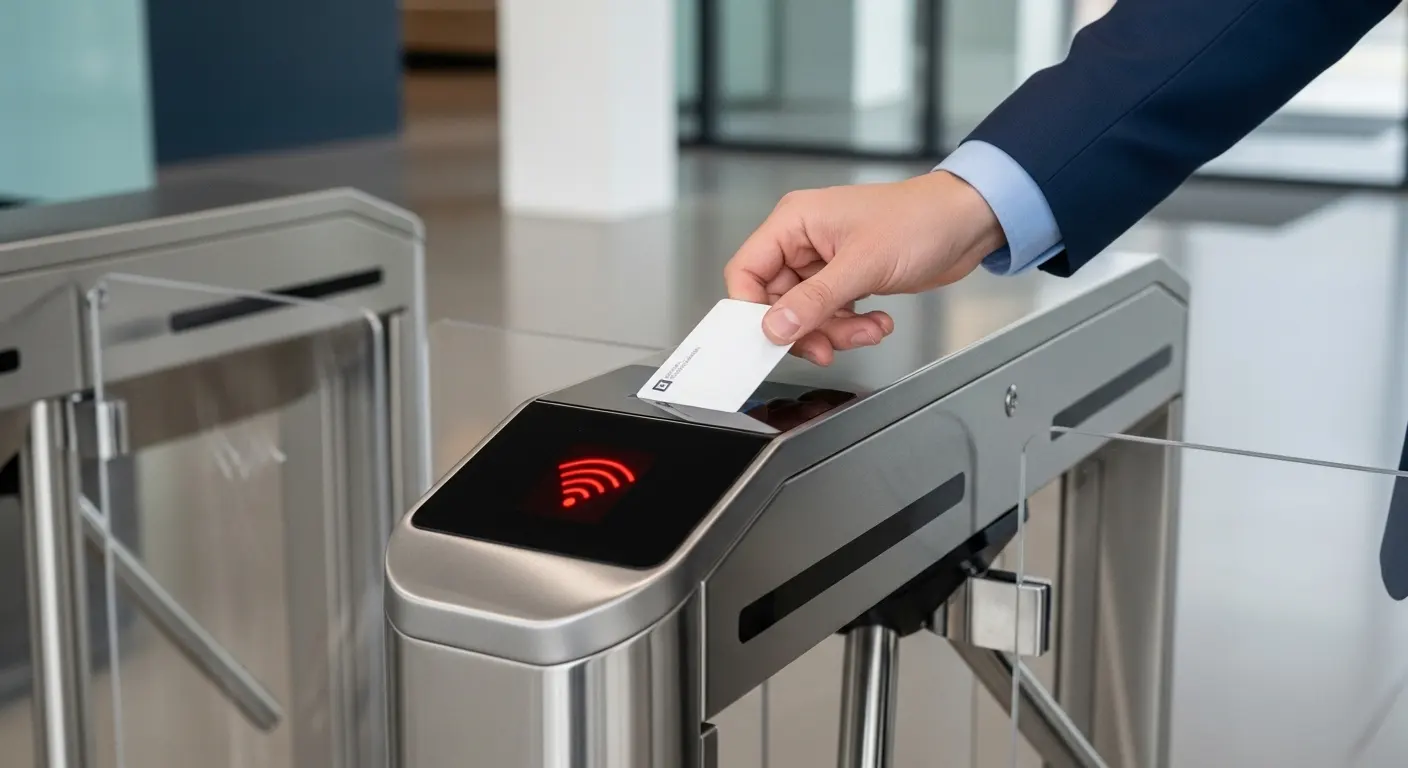
An anti passback turnstile is a gate system that enforces a specific entry-exit sequence for every access credential. The system records every "in" swipe and every "out" swipe. For a second entry swipe to succeed, the credential must first have a recorded exit. An "in-in" sequence — entering a zone twice without a recorded exit in between — triggers an automatic denial, and the gate stays closed.
The term "passback" comes from the physical act: a person scans in at a turnstile, walks through, then passes their card back to someone outside. That second person then tries to use the same card at the same entry point. Without APB, the card looks valid. With APB, the controller knows that credential is already registered as "inside" — and blocks the attempt immediately.
The key distinction from a standard access gate is this: a basic turnstile verifies identity. An anti passback turnstile verifies both identity and current location state. That extra layer requires specific hardware — a reader on the entry side, a reader on the exit side, and a controller built to track and enforce sequence logic. The Ironman access control panel (model IM.EA.MJ06) supports dual card readers, built-in anti-passback logic, and 45,000-card capacity — exactly what a properly configured APB setup requires.
How Anti-Passback Works on a Turnstile Gate
Understanding the hardware setup prevents the most expensive anti-passback mistakes. The technology is straightforward once you see how the three components work together.
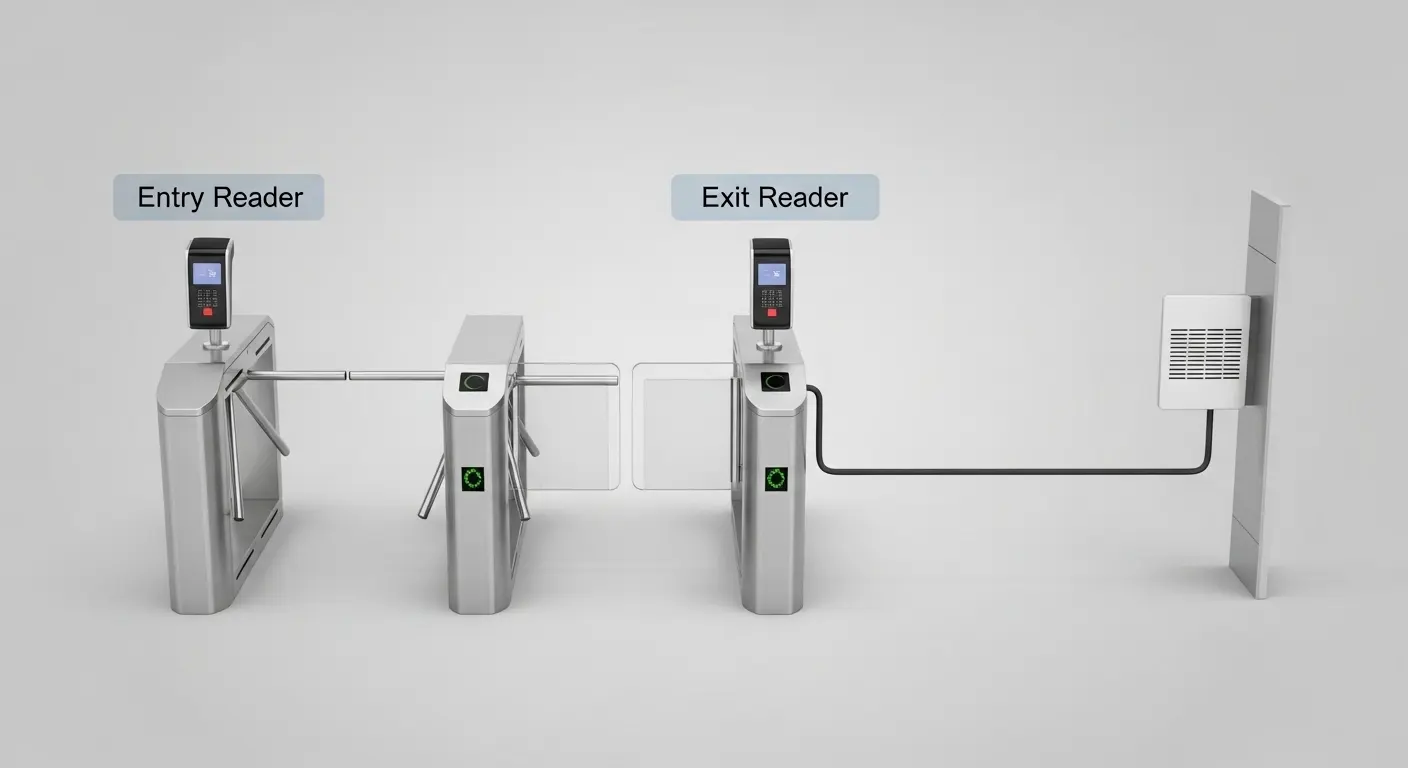
Step 1 — Credential presented at the entry reader. The system records the credential as "in" and logs the timestamp. The gate opens. The controller now marks that credential's state as "inside the zone."
Step 2 — Credential presented at the exit reader. The system records the credential as "out." The controller updates the credential state to "outside." That credential can now be used at the entry reader again.
Step 3 — Second entry attempt without an exit swipe. The controller checks the credential state — "inside" — and denies the request. The gate stays closed. Simultaneously, the system fires an alert to the management dashboard. The administrator sees the violation in real time, with the credential ID, timestamp, and gate location attached.
For this to work reliably on a turnstile, single-file passage is essential. The flap turnstile gate handles this naturally — its 550mm passage width enforces one-person-at-a-time movement, which keeps credential-to-person matching clean. The Ironman access control panel connects to the gate via RS485 or TCP/IP, with offline storage for up to 21,000 records — so APB logging continues even during network interruptions.
Types of Anti-Passback Modes for Turnstile Systems
Anti-passback is not a single fixed setting. Most access control platforms support four distinct APB modes, each suited to a different security level and operational environment. Choosing the wrong mode for your facility creates either security gaps or daily user frustration.
Hard Anti-Passback
The strictest mode. If the system has a credential marked as "inside," that credential gets denied at the entry reader, no exceptions. The gate stays locked until an administrator manually resets the credential state or the user exits and swipes out.
This mode suits the highest-security environments: data centers, pharmaceutical storage, government secure zones, and financial vaults. The operational downside is real — any exit that doesn't involve an exit swipe (emergency door, propped-open fire exit, power interruption) leaves credentials stuck in an "inside" state. Without a clear admin reset process in place before go-live, these turn into daily helpdesk requests.
Soft Anti-Passback
The gate opens even on an APB violation, but the system logs the event and sends an alert to the administrator. Security staff see the breach in real time and can investigate without passengers being physically denied entry.
Soft APB works well in office buildings, universities, and fitness centers where legitimate badge-swipe misses are common — someone forgets to swipe out, goes back to their desk, and then can't re-enter the floor. Soft mode catches patterns of credential sharing over time without penalizing accidental misses in the moment.
Timed Anti-Passback
The credential is blocked for a set time window after entry — typically 5 to 30 minutes — then resets automatically without any exit swipe required. This mode solves the "forgot to swipe out" problem cleanly. After the timer expires, the credential works normally again.
Timed APB fits medium-security environments well: corporate campuses, retail back-office areas, and gym facilities where opportunistic credential sharing is a realistic risk but an organized credential-passing attack is not.
Area and Nested Anti-Passback
Area APB enforces zone-based sequencing. To enter Zone 2, the credential must have a recorded entry into Zone 1 first. Nested APB extends this logic across multiple zones in a strict order.
In practice, this means someone cannot access a server room inside a building unless they have already swiped through the building's main entrance. Every zone transition is logged, creating a precise real-time record of where each credential holder is at any given moment. For facilities with compliance requirements around occupancy tracking — fire safety logs, regulatory audits, insurance requirements — this is the configuration that delivers the most complete audit trail.
Anti Passback vs. Anti Tailgating: What Is the Difference?
Security managers frequently treat these two features as the same thing. They're not, and deploying only one leaves a real gap in your access control setup.
Anti-passback operates at the software level. It catches credential sharing — one physical card being presented twice at the same entry reader before an exit is recorded. The gate is closed when the second swipe attempt happens. The threat is credential fraud.
Anti-tailgating operates at the hardware level. It catches physical following — a second person walking through an open gate behind an authorized user, without ever presenting a credential. The gate is actively open during the threat. The Ironman anti-tailgating AB turnstile gate uses dual-zone infrared detection to catch this in real time, firing a re-lock and alert the moment a second body enters the passage zone.
In short: anti-passback stops credential fraud. Anti-tailgating stops physical intrusion. They target different threat vectors, and a fully secure entry point runs both in parallel. A site with only APB still allows physical following. A site with only anti-tailgating sensors still allows a person with a duplicated or borrowed credential to enter twice.
Which Turnstile Gate Types Work Best With Anti-Passback
Anti-passback is a software-enforced feature, but the gate hardware determines how reliably it performs under real operating conditions. Single-file passage, dual-reader mounting, and controller compatibility all affect whether APB enforcement stays clean day-to-day.
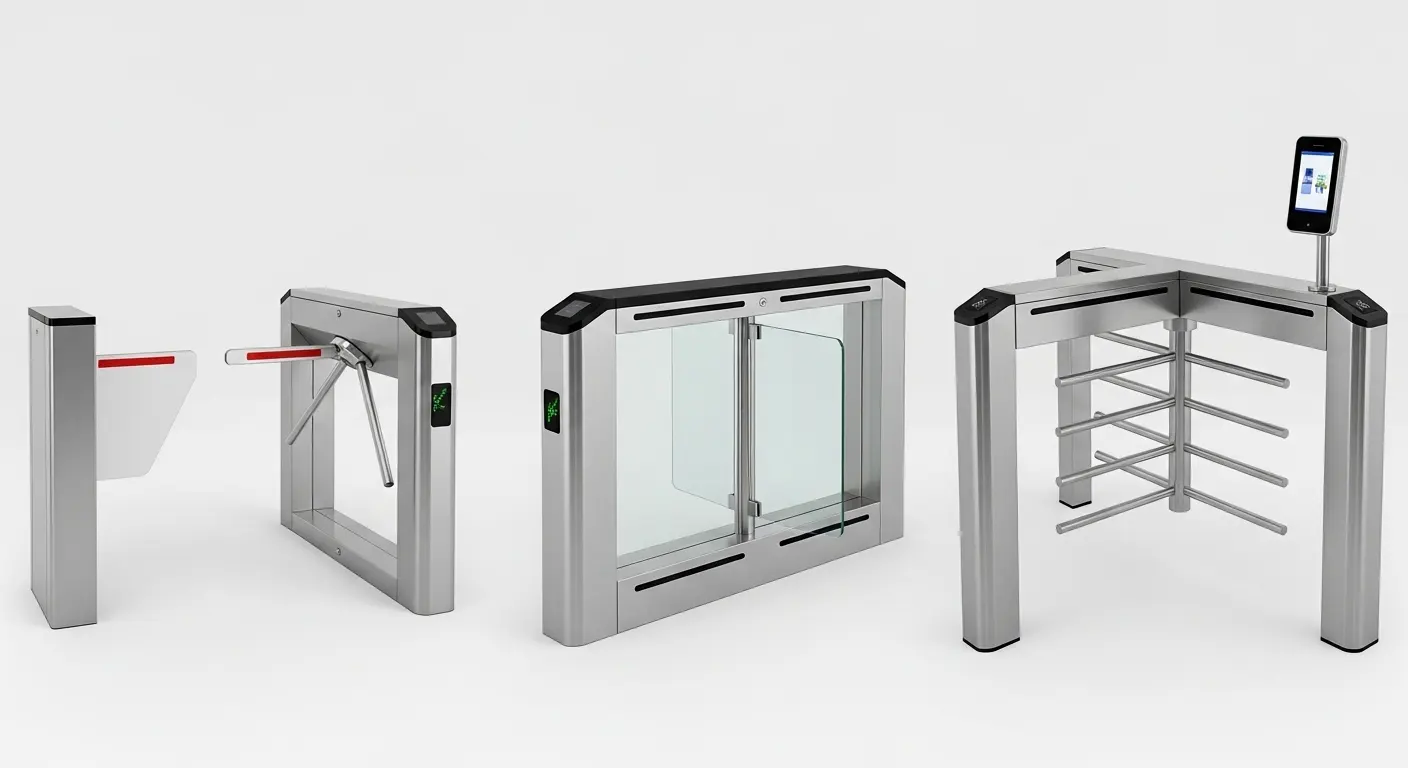
Flap Barrier Gate
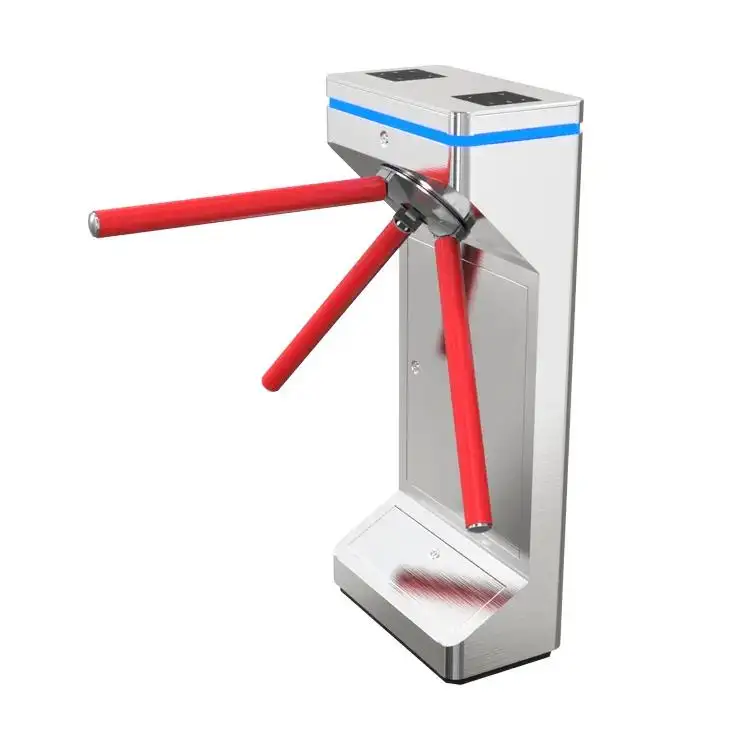
The most widely deployed anti passback turnstile hardware in corporate and campus environments. The flap turnstile gate supports dual-reader installation on entry and exit sides, passes up to 40 persons per minute, and enforces single-file movement that keeps credential-to-person matching unambiguous. Its 6-pair infrared sensor grid also catches forced entry and tailgating attempts alongside the APB logic — both layers running simultaneously.
Smart Speed Gate
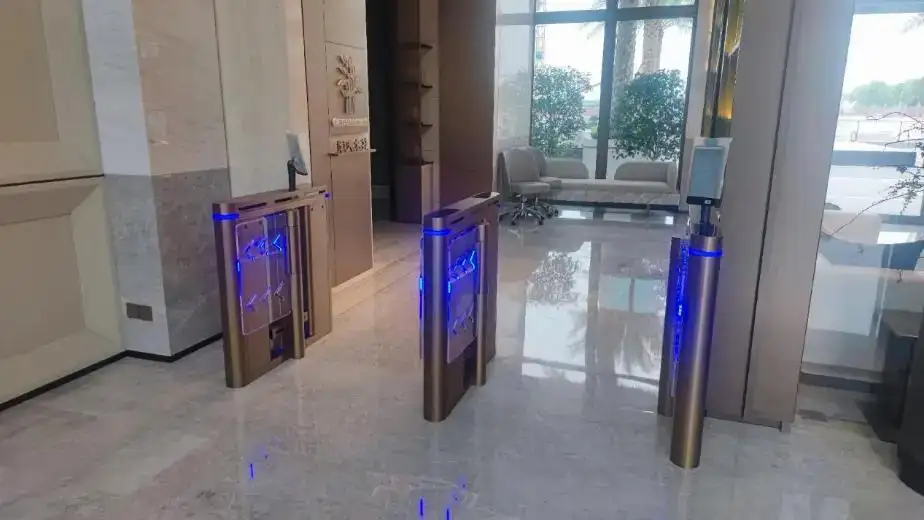
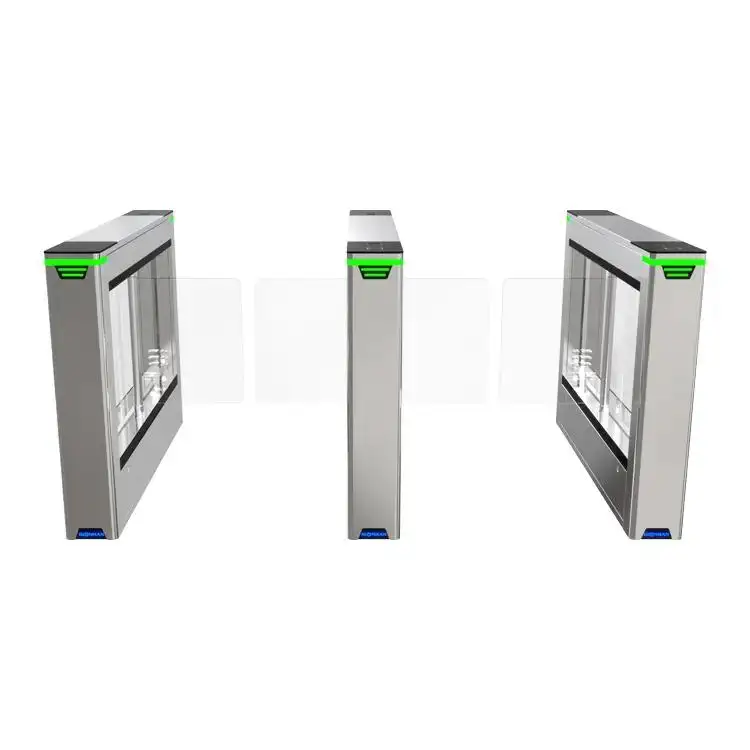
Speed gates handle higher throughput while maintaining optical detection and full dual-reader compatibility. The smart speed gate turnstile is the right fit for premium environments where visual appearance matters alongside APB enforcement — financial office lobbies, VIP entry zones, and high-traffic corporate headquarters.
Optical Speed Gate
For facilities where throughput speed is the primary driver, the optical speed gate offers faster passage rates while still supporting full entry-exit reader configuration for APB tracking. It pairs cleanly with cloud-based access control platforms managing multi-entrance buildings.
Facial Recognition Turnstile
Biometric credentials address the root cause of passback fraud: you cannot physically hand your face to another person. The facial recognition turnstile still benefits from APB logic at the software level — specifically for zone-state tracking, occupancy logging, and compliance audit trails. Ironman's facial recognition turnstile gates manufacturer page covers all biometric gate configurations available for APB-enabled deployments.
Anti-Climb Swing Barrier Gate
For outdoor perimeter entry points where credential fraud combines with physical breach risk, the anti-climb swing barrier gate adds structural deterrence on top of APB credential enforcement — covering both the software and physical threat vectors at the same access point.
When Do You Actually Need an Anti Passback Turnstile?
APB is not the right solution for every facility. Here is a direct decision framework based on actual risk profile.
Your facility needs an anti passback turnstile if:
- Credential sharing is a known or realistic risk — employees sharing RFID cards, visitor passes being reused, or ticket fraud has occurred
- You require accurate real-time occupancy data — fire safety compliance, insurance requirements, or capacity-controlled venue management
- You operate in a regulated environment — data centers, healthcare facilities, financial offices, government buildings — where each entry event must be attributed to a specific verified person
- Your site has multiple secured zones and requires zone-access sequencing (area or nested APB)
You may not need an anti passback turnstile if:
- Your site runs a single-entry, low-security environment where credential sharing carries no meaningful risk
- Your primary security concern is physical tailgating rather than credential fraud — anti-tailgating sensor hardware directly addresses that threat
- Operational flow is so high that hard APB would create friction that outweighs the security benefit — soft or timed APB resolves this
For projects covering multiple sites or requiring bulk gate configurations with APB built in, the turnstile gates wholesale page covers multi-unit pricing and configuration support for enterprise deployments.
Common Mistakes When Setting Up Anti-Passback on a Turnstile
Installing only one reader per gate. Anti-passback cannot function without both an entry reader and an exit reader. Many standard turnstile setups ship with a single reader by default. Confirm dual-reader hardware is on the order before delivery — retrofitting a second reader post-installation adds unnecessary cost and downtime.
Choosing hard APB without a credential reset process. Hard mode is the right choice for high-security zones, but it creates "stuck inside" credential states every time someone exits without swiping out. Emergency exits, fire drills, power events, and propped doors all cause this. Build a documented reset process and designate who handles it before the system goes live.
Treating APB as a complete security solution. Anti-passback stops credential sharing at the software level. It does nothing to stop a second person walking through an open gate behind an authorized user. For complete entry point security, anti-tailgating sensor detection must run alongside APB on the same gate hardware.
Skipping APB function testing at commissioning. APB violations are simple to reproduce — swipe in on a credential, then swipe in again immediately. Run this test at every reader during commissioning. Confirm the controller logs the violation, fires the alert, and holds the gate locked. Catching a misconfigured controller during setup costs nothing. Discovering it after a security incident is a different outcome entirely.
FAQ: Anti Passback Turnstiles
What is an anti passback turnstile?
An anti passback turnstile is a gate system that enforces a strict entry-exit credential sequence. After a credential is used to enter a zone, it cannot be used for entry again until the system records an exit swipe for that same credential. This prevents credential sharing — one card being passed back to a second person to gain unauthorized entry. When a violation is attempted, the gate stays locked and the system fires a real-time alert to administrators.
How does anti-passback work on a turnstile gate?
The system requires a credential reader on the entry side and a reader on the exit side of the gate. The access control panel logs every in-swipe and out-swipe per credential. It tracks each credential's current state — "inside" or "outside." If a credential marked "inside" is presented at the entry reader again without a recorded exit, the controller denies the request, holds the gate closed, and logs the violation event.
What are the different types of anti-passback?
The four main APB modes are hard anti-passback (strict denial on violation, no exceptions), soft anti-passback (entry allowed but violation logged and alerted), timed anti-passback (credential auto-resets after a defined time window), and area or nested anti-passback (zone-sequencing required before access to deeper secure areas is granted). Most access control panels support all four modes with configurable settings per zone.
What is the difference between anti-passback and anti-tailgating?
Anti-passback is a software control that prevents one credential from being used twice for consecutive entries. The gate is closed when the violation attempt happens. Anti-tailgating is a hardware control that detects a second person physically following through an open gate after a valid credential swipe. Both features address unauthorized access but target entirely different methods of breach and must be deployed together for full coverage.
Does an anti passback turnstile work with biometric credentials?
Yes, and biometric readers are the strongest credential type for APB deployments because the physical "passing back" problem disappears entirely — a face or fingerprint cannot be handed to another person. Anti-passback logic still adds value with biometrics by maintaining zone-state tracking and generating a complete entry-exit audit trail for compliance and occupancy monitoring purposes.
