


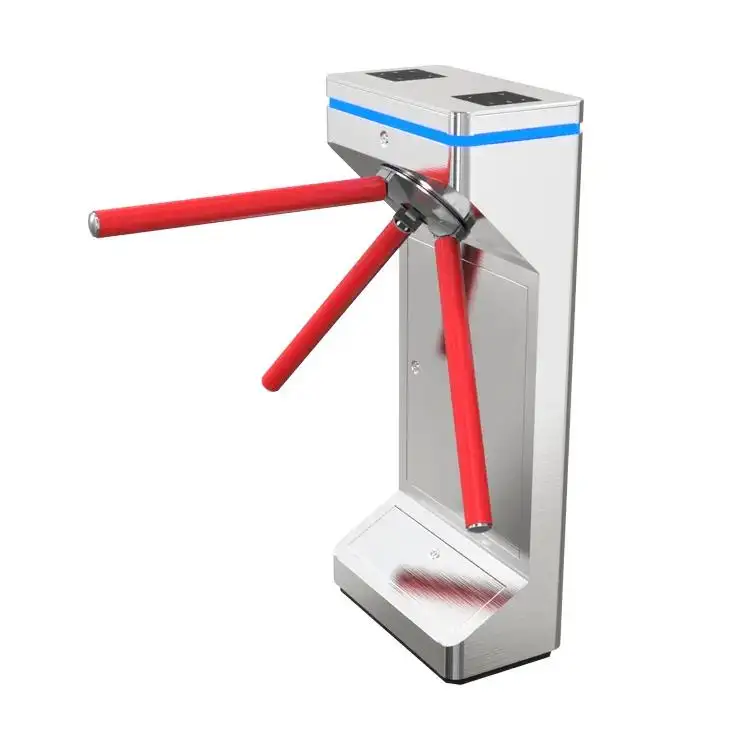
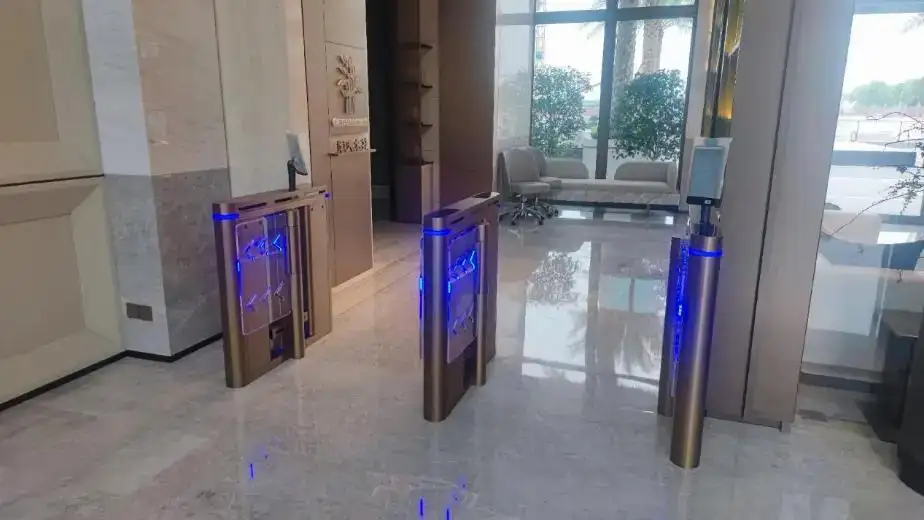
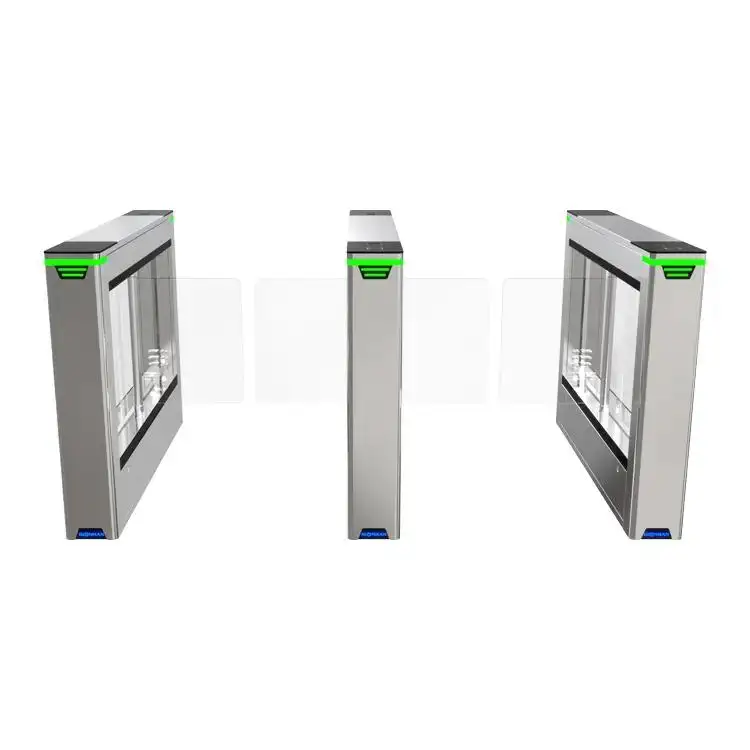
Facial Recognition Turnstile Gates Manufacturer: Built For Harsh-Site Access Control
2026-03-18


Facial Recognition Turnstile Gates Manufacturer is no longer just about appearance or basic entry control. For overseas buyers, the real concern is whether a system can maintain recognition accuracy, uptime, and integration stability in dusty, humid, high-traffic, and mixed-credential environments.
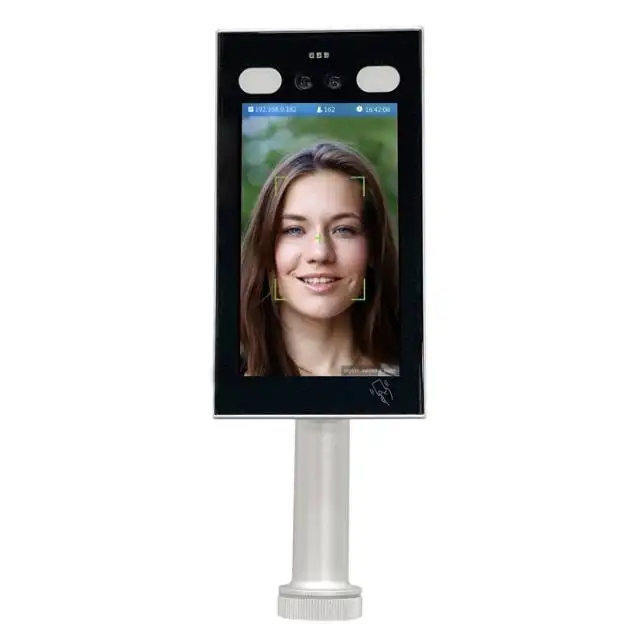
That is where IRONMAN Intelligent stands out. Its industrial-grade approach delivers stable biometric access, low maintenance needs, and strong compatibility with modern security, cybersecurity, and user-convenience requirements across demanding commercial and public projects.
Why Harsh Environments Still Break Many Access Projects
On paper, many access systems look similar. In practice, buyers often face a different problem after installation: the equipment performs well in a showroom but becomes unreliable in exposed lobbies, factory entrances, transport hubs, campuses, or mixed indoor-outdoor passageways.
Common failure points usually include:
•Slower recognition in changing light
•Hardware fatigue in dust, humidity, or heat
•Higher maintenance due to non-modular components
•Poor compatibility with existing access infrastructure
•User frustration when one credential method cannot serve every scenario
This matters more today because access control is moving toward converged identity management, where biometrics, mobile credentials, cards, and software platforms need to work together rather than remain isolated. HID's 2026 industry report says biometrics are expanding beyond MFA into core access control, while hybrid credential environments remain common and mobile adoption continues to grow.
For buyers, that means a turnstile is no longer just a gate. It is part of a broader operational system.
The Feature That Solves a Real Buyer Pain Point
The strongest theme behind this solution is industrial-grade reliability with biometric speed.
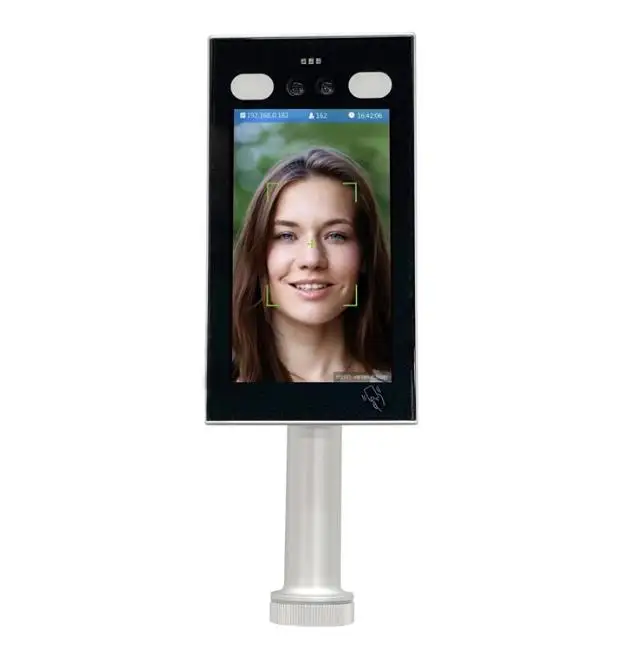
IRONMAN Intelligent's facial recognition turnstile is designed for fast pedestrian processing, with recognition speed rated at ≤300 ms, support for liveness detection, and a local portrait database sized for 10,000 users. It also supports offline dynamic portrait recognition, which is valuable in projects that require dependable local verification instead of full dependence on cloud response. These specifications matter because face systems are increasingly judged not only by speed, but by their ability to resist spoofing and operate consistently under operational pressure.
NIST defines presentation attacks as attempts to interfere with biometric policy by presenting artifacts or human characteristics to fool the system, and notes that presentation attack detection, including liveness-related capabilities, is a key part of protecting biometric workflows. NIST also states that PAD technologies can mitigate these attack risks.
For procurement teams, that translates into a simple business advantage: a faster lane is useful, but a trusted lane is far more valuable.
Built for High Traffic, Not Just Clean Indoor Spaces
One of the most practical strengths of this product category is environmental adaptability. IRONMAN Intelligent describes the system as suitable for indoor and outdoor use, with operation across a wide temperature range and resistance to typical site stress such as dust, humidity, and fluctuating conditions.
That makes the technology relevant for projects such as:
•Office towers and corporate campuses
•Factories and industrial facilities
•Airports, stations, and transit nodes
•Universities and schools
•Hospitals and public institutions
•Stadiums, exhibition venues, and large visitor sites
This is an important point for overseas buyers because harsh environments often increase total ownership cost more than initial equipment price. A system that can maintain recognition performance under bright light, low light, backlighting, and variable traffic flow reduces service intervention, downtime risk, and user complaints.
The value proposition is reinforced by the modular hardware approach. Serviceability is improved by the simple replacement or upgrading of components. This helps maintenance teams eliminate long shutdown windows. For buyers managing multi-lane deployments, this is often more important than a small difference in upfront unit cost.
Global Compatibility Is Now a Procurement Requirement
A modern facial recognition gate must fit into global security ecosystems. IRONMAN Intelligent supports common communication and integration methods including TCP/IP, HTTP, DNS, NTP, FTP, web socket, RJ45 Ethernet, relay output, and Wiegand output. That is commercially important because many projects involve mixed infrastructure, phased upgrades, or integration with third-party controllers, visitor systems, and attendance platforms.
ONVIF notes that access control systems increasingly rely on interoperability profiles, and that Profiles A, C, D, and M can all be relevant to access control environments. ONVIF also states that Profile D was created to improve interoperability for peripherals such as biometric readers and related access devices.
For overseas buyers, this reduces a familiar risk: investing in attractive hardware that later becomes difficult to connect to existing software, credential workflows, or centralized monitoring platforms.
Security Expectations Are Higher Than Before
Physical access control is now also a cybersecurity issue. CISA emphasizes the convergence of physical and cyber security and warns that gaps in access controls can create broader security exposure across connected environments.
That is why features such as encrypted communication, anti-passback, centralized monitoring, multi-door interlocking, and flexible identity management are no longer optional extras. They are part of responsible deployment.
IRONMAN Intelligent's support for:
•Encrypted communication
•Centralized and remote monitoring
•Multi-door interlocking
•Anti-passback logic
•Blacklist, whitelist, and temporary user management
•Compatibility with attendance and visitor workflows
shows that the system is aligned with how modern sites actually operate. It is not only opening lanes. It is supporting policy enforcement, auditability, and day-to-day management efficiency.
Why This Matches the Direction of the Market
The direction of travel in access control is clear. Organizations want a better balance between security, throughput, convenience, and platform compatibility. HID's 2026 findings show that biometrics are moving deeper into core access control, while mobile credentials are increasingly adopted for security-driven reasons, not only convenience.
That shift favors suppliers that can support multi-method authentication rather than a single identity path. IRONMAN Intelligent addresses this well through facial recognition, RFID, QR code, and mobile authentication options in one access framework. That flexibility is useful in global projects where employee entry, visitor flow, contractor access, and temporary permissions all need different handling.
The Procurement Takeaway
For serious buyers, the best facial recognition turnstile is not simply the one with the fastest demo. It is the one that keeps performing when the site is busy, the weather changes, maintenance resources are limited, and the access platform evolves over time.
That is the commercial logic behind IRONMAN Intelligent's approach. By combining industrial-grade construction, fast biometric verification, liveness detection, modular maintenance, and broad integration capability, the company aligns its technology with where access control is heading: more connected, more secure, and more practical for real operational environments.
Supported by broader market movement toward converged identity, biometric deployment, and interoperable access infrastructure, this is the kind of positioning that makes sense for modern overseas procurement.
