


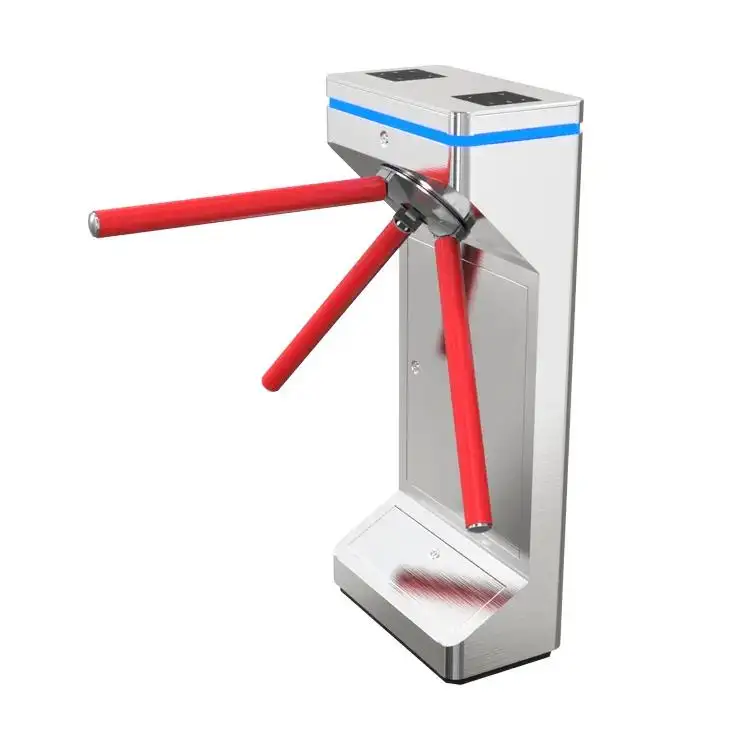
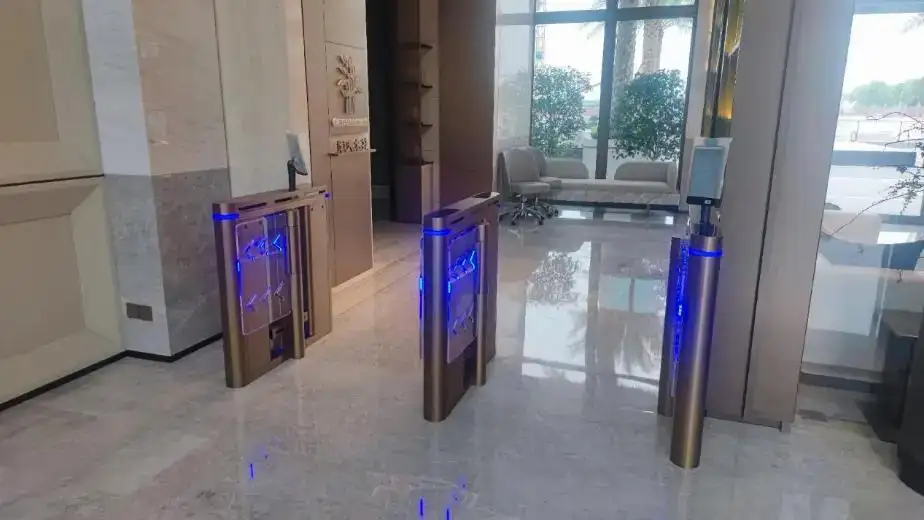
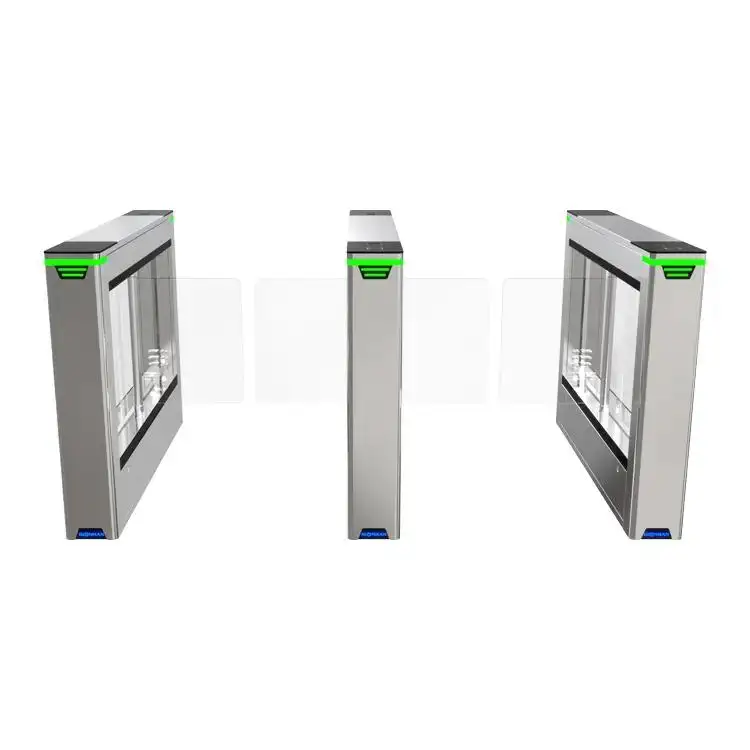
Custom Turnstile Gate: What You Can Customize, How the Process Works, and What to Expect
2026-03-21


A custom turnstile gate isn't just a standard model with your logo on it. The customization spectrum runs from surface branding — laser-engraved logo, RAL powder coat color, brushed finish — all the way to full engineering changes: modified lane width, custom panel material, bespoke cabinet profile, climate-specific components, and OEM white-label manufacturing for resellers.
Understanding what is genuinely customizable — and what most suppliers won't change from their standard configuration — is what separates a successful custom gate project from one that delivers a disappointingly generic product with a sticker on it
What Can Actually Be Customized on a Turnstile Gate?
Customization on a custom turnstile gate falls into five distinct categories. Most buyers focus on one or two. The best outcomes come from addressing all five upfront — before the design is locked:
1. Cabinet Physical Dimensions and Profile
Standard gate cabinets come in fixed length, width, and height profiles. A genuine custom turnstile gate changes these:
- Lane width: Standard is 550–900mm. ADA lanes extend to 1,500mm. For hospitals (wheelchair and bed trolleys), airports (luggage), or event venues (accessibility), a specific lane width is required. Confirm this at enquiry stage — lane width affects the drive mechanism, panel dimensions, and sensor array layout simultaneously
- Cabinet length: Longer cabinets reduce mechanical stress per cycle in high-traffic deployments. Shorter cabinets suit space-constrained positions
- Cabinet height: Standard waist height is 970–1,050mm. Anti-climb variants extend to 1,800mm+. Customer-specified heights are achievable within the structural limits of the panel drive mechanism
- Column profile: For speed gates and swing barriers, the column shape — rectangular, tapered, rounded edge — changes the architectural character of the installation. TiSO's custom engineering process covers column profile geometry as a standard customization option
2. Material and Finish
The surface specification defines how a custom turnstile gate looks and how long it maintains that appearance under daily use:
- Stainless steel grade: SUS304 standard, SUS316 for coastal/chemical environments
- Surface finish: Brushed (hairline), mirror-polished, satin matte, or combination panels
- Powder coat color: RAL color matching — any RAL code applied over the stainless steel base. Black (RAL 9005) and anthracite (RAL 7016) are the most specified non-standard finishes for premium lobby environments
- Panel material: Tempered glass (transparent or frosted), polycarbonate (impact-resistant), or acrylic — each with different optical appearance and impact tolerance characteristics
- Glass panel tint: Clear, bronze, grey, or frosted — custom tint matching the interior glass specification of the building
Branding and Logo Customization Options
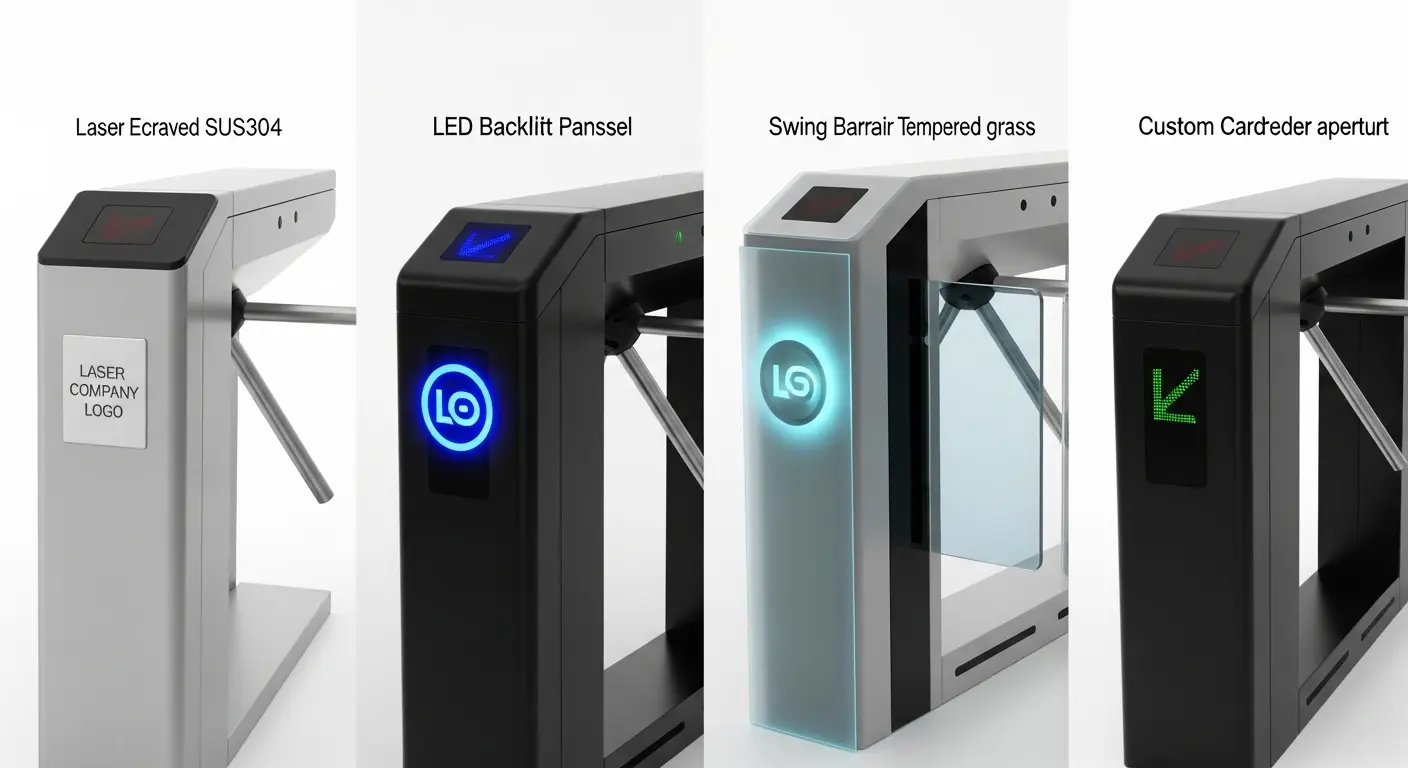
Branding is the most requested customization on a custom turnstile gate — and it covers more options than most buyers realize:
Laser Engraving
The company logo or text is laser-cut into the stainless steel cabinet surface. The engraved area sits flush with the panel surface — no raised edge, no applied material. Laser engraving is permanent, scratch-resistant, and maintains full IP rating integrity because no additional holes or adhesive zones are created.
LED Backlit Logo Panel
A frosted glass or acrylic window panel with the logo cut-out, backlit by an LED strip in white, blue, or RGB. The logo glows from within the cabinet surface — highly visible in lobby environments with controlled lighting. Bolan Security's published customization options include this as a standard selectable feature with color and brightness control.
Frosted Glass Logo
Applied to the barrier panel itself — the logo appears on the tempered glass wing or panel in frosted finish, contrasting against the clear glass. Common in hotel lobbies and premium co-working spaces where the logo sits at the eye level of passing visitors.
Full Vinyl Wrap
For temporary branding, event installations, or rental fleet identification — a full-coverage vinyl wrap applied over the existing cabinet surface. TURNSTILES.us publishes vinyl wrap as a primary branding option alongside engraving and frosted glass.
Card Reader Window Shape and Size
The aperture for the credential reader built into the cabinet can be custom-shaped — square, rectangular, rounded, or contoured to a specific reader model. Bolan's customization spec covers shape, size, material (black acrylic for glare reduction), and text around the aperture.
A custom logo swing turnstile combines the most requested branding options — laser-engraved logo on the SUS304 cabinet, frosted glass panel option, and LED backlit panel — in a standard-lead-time product that doesn't require a full custom engineering order for branding-level changes.
Credential Customization: Matching the Gate to Your System
A custom turnstile gate isn't complete if the standard credential reader doesn't match the building's access control platform. Reader customization is as important as cabinet customization:
RFID Reader Type and Protocol
HF (13.56MHz): IC card, NFC, mobile credential — office, hotel, hospital.
LF (125kHz): EM/HID format legacy systems.
UHF (860–960MHz): Long-range, hands-free — industrial, logistics, PPE-wearing worker environments.
A swing turnstile gate with RFID in custom configuration positions the reader at the buyer-specified ergonomic height, with the buyer-specified protocol, pre-wired to the buyer-specified access control interface (Wiegand, RS485, OSDP).
Biometric Readers
Fingerprint scanners, facial recognition cameras, and palm vein readers are factory-fitted to the cabinet at commissioning height. A biometric turnstile gate with fingerprint scanner in custom configuration integrates the biometric reader directly into the cabinet housing — no external pedestal, no separate wiring run — producing a single-unit installation rather than a gate-plus-pedestal combination.
Reader Position
Standard reader positioning is on the side column at 850–900mm height. Custom deployments may need the reader on the top cap, recessed into the cabinet face, or positioned for wheelchair-accessible height (720–800mm). Confirm reader position as part of the custom order specification — retrofitting a reader to a non-standard position after delivery creates wiring and IP-sealing complications.
Anti-Tailgating Specific Configuration
For environments where tailgating detection accuracy is the primary requirement, an anti-tailgating AB turnstile gate in custom configuration specifies sensor pair count (8–16), sensor height positions, detection sensitivity, alarm output type (dry contact, RS485, TCP/IP), and integrates with a specific third-party video verification system.
Custom Turnstile Gate for Specific Industries
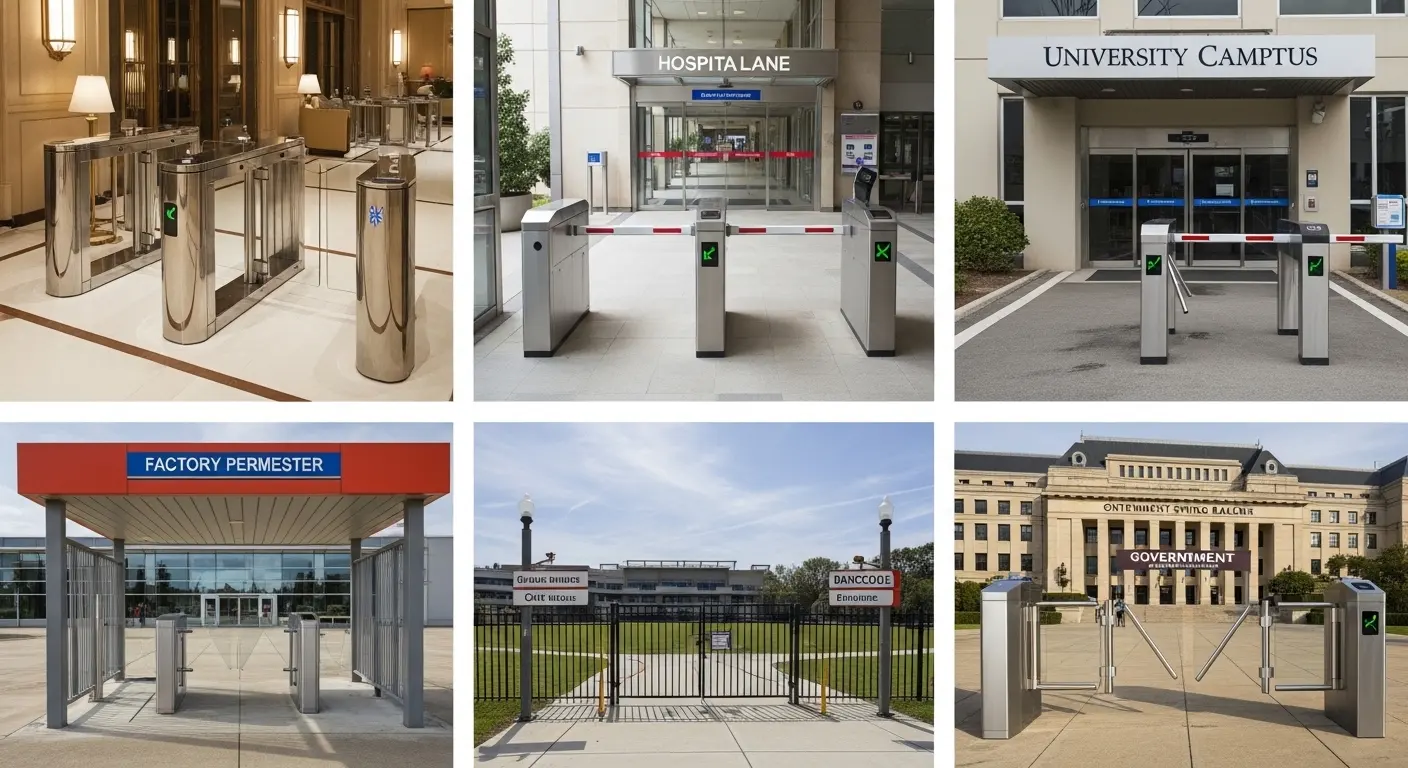
The most successful custom turnstile gate projects start from the use case — not from a standard model catalogue. Here's how customization requirements differ by industry:
Luxury Hotels and Premium Offices
Priority: Appearance above all else. Custom requirements: mirror-polish or brushed SUS304, frosted glass panels with logo, LED backlit reader aperture, silent brushless motor, RAL color match to interior scheme. Lane width 600–800mm. Face recognition reader integrated flush into the column.
Hospitals and Healthcare Facilities
Priority: Wide lane ADA compliance, anti-pinch safety, and hygiene. Custom requirements: 900–1,200mm lane width for wheelchairs and bed trolleys, infrared anti-pinch with sub-2kg closing force, antimicrobial powder coat finish on high-touch surfaces, wipe-clean acrylic panel option.
Schools and Universities
Priority: Anti-pinch safety for younger users, barcode or student card compatibility, durable construction for high daily cycle count. Custom requirements: reduced panel closing speed (slower than commercial default for child safety), student ID card RFID reader pre-wired, IP54 for semi-outdoor covered entrance positions.
Industrial and Manufacturing Sites
Priority: Heavy duty construction, outdoor IP65 rating, UHF RFID for PPE workers. Custom requirements: SUS304 1.5mm full-weld, IP65 sealed, UHF reader at visor-compatible height, heated electronics for sub-zero winter climates. For extreme cold deployments, a snow gate turnstile in custom configuration adds a heated drive mechanism, anti-freeze gaskets, and a heated electronics bay to the heavy duty base specification.
Event Venues and Stadiums
Priority: High throughput, barcode ticket scanning, post-event washdown survival. Custom requirements: IP65 outdoor rating, barcode reader with solar glare compensation, high-throughput brushless motor, wide lane for bag-carrying visitors.
Financial and Government Security
Priority: Anti-climb physical security, biometric credential verification, audit-trail logging. Custom requirements: extended panel height (1,800mm+), fingerprint or face recognition reader, RS485 connection to government access control platform, anti-tailgating sensor array with 12–16 pairs.
For a complete view of the engineering and product customization capabilities behind each configuration, the design and technology page covers the manufacturing processes, material specifications, and customization dimensions available across the full product range.
The Custom Turnstile Gate Order Process: Step by Step
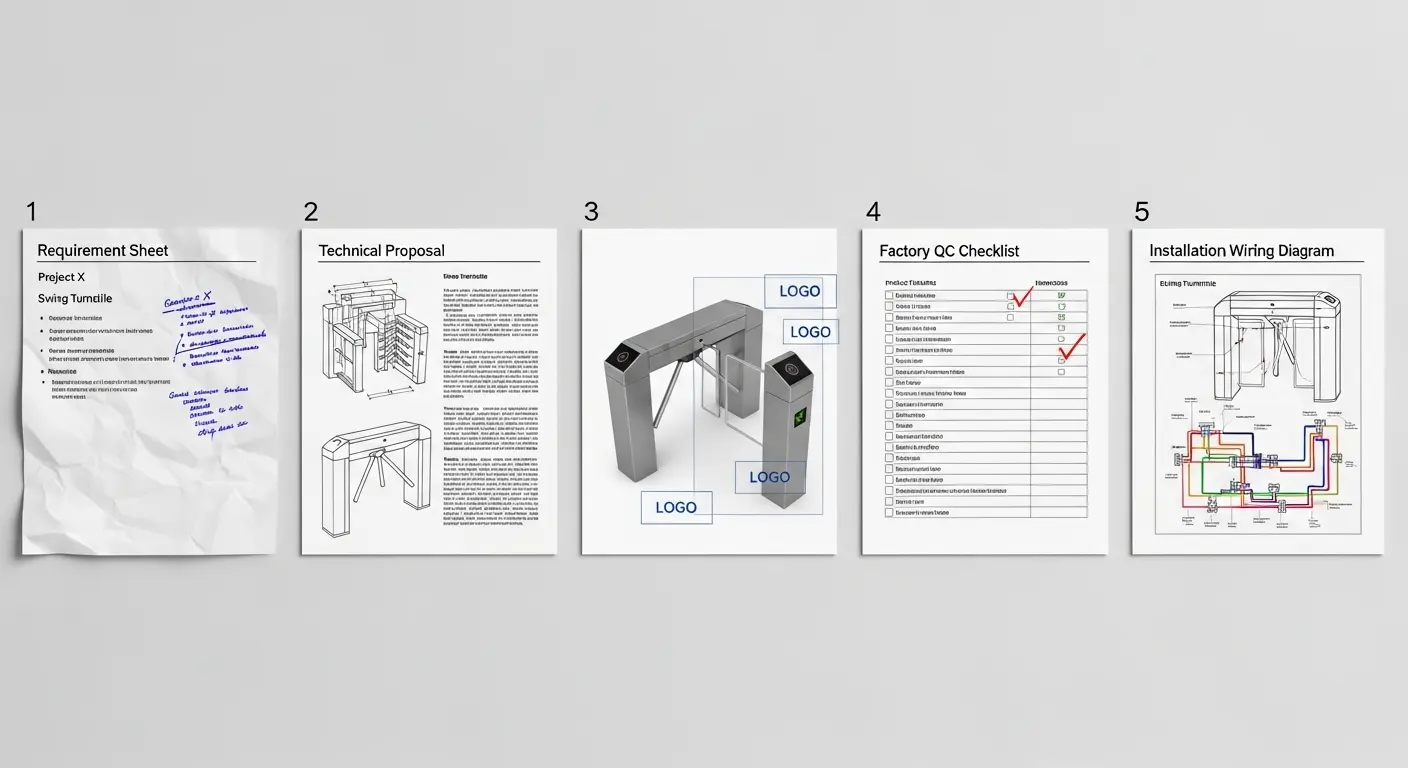
Many buyers avoid custom gate enquiries because they don't know what information they need to provide. Here's the straightforward process for a standard custom turnstile gate order:
Step 1 — Define the Requirements
Before contacting a supplier, document: installation environment (indoor/outdoor, IP requirement), traffic volume (daily passes, peak throughput), lane width required, credential type, any specific building code requirements (fire alarm integration, ADA lane width), and branding requirements (logo file format: vector AI or EPS preferred).
Step 2 — Request a Technical Proposal
A qualified turnstile gate supplier responds with a product proposal covering: recommended base model, custom specification options with cost differentials, lead time (standard stock vs. custom build), and a schematic showing cabinet dimensions and installation footprint.
Step 3 — Sample or Prototype Approval
For orders of 10+ units with non-standard finishes or major dimensional changes, request a physical sample or 3D rendered model showing the final specification — including logo placement, finish appearance, and reader aperture position — before full production is released.
Step 4 — Factory Production and QC
Custom gate production typically runs 15–30 working days after specification sign-off, depending on the scope of changes. At factory QC, the complete specification is checked against the order: dimensions, finish, branding, reader pre-wiring, sensor count, and cycle test confirmation.
Step 5 — Delivery and Installation Documentation
A custom turnstile gate order should include: wiring diagrams specific to the custom reader configuration, installation drawings showing anchor point positions and cable entry locations, and a commissioning test record confirming fail-safe, anti-tailgating, and anti-pinch functions.
For space-constrained lobby or entrance positions where a custom footprint is required, a compact swing gate turnstile in custom configuration combines a reduced cabinet length with full swing barrier functionality — including custom finish, logo, and reader options — without requiring a full custom engineering order for the dimensional change.
OEM Custom Turnstile Gate for Resellers and System Integrators
OEM buyers — security integrators, property developers, and access control resellers — have different requirements from end-user buyers. The primary need is white-label or co-branded manufacturing: gates built to the OEM buyer's specification, branded with their logo (not the manufacturer's), shipped with their documentation, and supported with their warranty paperwork.
Key OEM customization points for resellers:
- Logo removal: Factory logo removed from all cabinet surfaces, replaced with OEM buyer's branding
- Documentation branding: Installation guides, wiring diagrams, and warranty cards carry the OEM buyer's company identity
- Packaging labeling: Carton labels and pallet markings show the OEM buyer's brand — no manufacturer identification visible at point of delivery
- Minimum order quantity (MOQ): OEM white-label orders typically carry MOQ of 5–20 units for standard models, 1–3 units for fully custom engineering orders — confirm at enquiry stage
- Co-branding option: Manufacturer and OEM buyer logos share the cabinet — common for resellers who want supplier transparency while maintaining their own brand presence
Frequently Asked Questions About Custom Turnstile Gates
Q: What is a custom turnstile gate?
A: A custom turnstile gate is a pedestrian access barrier manufactured to a specific buyer's requirements — covering physical dimensions (lane width, cabinet height, column profile), material and finish (stainless steel grade, RAL color, panel material), branding (laser engraved logo, LED backlit panel, frosted glass), credential reader type and position, and climate-specific components (heated electronics, IP65 outdoor sealing). Custom orders range from surface branding changes on a standard model to full engineering modifications for unique installation requirements.
Q: What is the minimum order quantity for a custom turnstile gate?
A: For branding-level customization (logo, finish, color) on a standard base model, MOQ is typically 1 unit — the customization applies to an existing product without engineering changes. For dimensional changes (non-standard lane width, modified cabinet height, custom column profile), MOQ typically runs 3–10 units depending on the engineering scope. For OEM white-label orders with full documentation rebranding, MOQ is typically 5–20 units.
Q: How long does a custom turnstile gate take to manufacture?
A: Branding customization (logo, RAL color) on a standard model: 10–20 working days. Dimensional or engineering changes: 20–35 working days after specification sign-off. Full OEM white-label with custom documentation package: 25–40 working days. Lead time varies by factory capacity and the scope of changes — confirm lead time at the specification approval stage, before production is released.
Q: What file format should I provide for logo customization?
A: Vector format is required for laser engraving and frosted glass etching — AI (Adobe Illustrator), EPS, or SVG. High-resolution PNG (300 DPI minimum) works for vinyl wraps and printed panels. Low-resolution logos from websites (72 DPI JPEG or PNG) cannot be used for laser engraving — they produce soft-edged output that doesn't match the precision of the engraving equipment.
Q: Can a custom turnstile gate be integrated with any access control system?
A: Yes — a custom turnstile gate ships with a control board that supports standard interface protocols: Wiegand (26/34-bit), RS485, TCP/IP, OSDP, and dry contact relay. These protocols are compatible with virtually all major access control platforms — Lenel, Software House, Honeywell, Genetec, and custom platforms. Specify the access control platform and required protocol at the enquiry stage so the control board is pre-configured for the correct interface before factory testing.
