


Turnstile Gate ODM: What It Means, What You Get, and How to Find the Right Factory
2026-03-22


Turnstile gate ODM — Original Design Manufacturing — is the relationship where a factory engineers and manufactures a turnstile gate product to a buyer's design brief, brands it under the buyer's label, and delivers it as if the buyer made it. The buyer owns the product identity. The factory owns the production.
This is fundamentally different from standard OEM. And getting the distinction wrong costs buyers months of time and significant project budget before they realize the factory they chose doesn't actually do what they need.
ODM vs. OEM: The Distinction That Changes Everything
The terms get used interchangeably by suppliers who shouldn't use them interchangeably. Here's the actual difference:
OEM (Original Equipment Manufacturing)
The factory manufactures its standard product. The buyer puts their branding on it — logo, color, documentation. The product design, engineering, and IP belong to the factory. The buyer gets a product that looks like theirs but is built to the factory's specification, not the buyer's.
ODM (Original Design Manufacturing)
The buyer brings a design brief — or the factory develops a design based on the buyer's requirements — and the factory engineers and manufactures a product to that specification. The product design may belong to the buyer (buyer-IP ODM) or be developed jointly (shared-IP ODM). Either way, the product is engineered to the buyer's requirement rather than adapted from the factory's existing catalogue.
In practice, turnstile gate ODM covers a spectrum:
- Surface ODM: Logo, color, finish — the factory's standard mechanical and electronic design, the buyer's exterior identity. This is actually OEM but is frequently mislabeled ODM
- Configuration ODM: Standard base mechanism, but lane width, panel material, sensor count, reader type, and credential interface specified by the buyer. This is genuine ODM at the configuration level
- Engineering ODM: Modified cabinet geometry, custom panel drive mechanism, proprietary control board firmware, or entirely new product category developed for the buyer. This is full engineering ODM
Most buyers looking for turnstile gate ODM need configuration ODM — the factory's proven mechanisms inside a product that meets the buyer's specific physical, functional, and branding requirements. Full engineering ODM is appropriate for large brands developing a proprietary product line.
What You Specify in a Turnstile Gate ODM Order
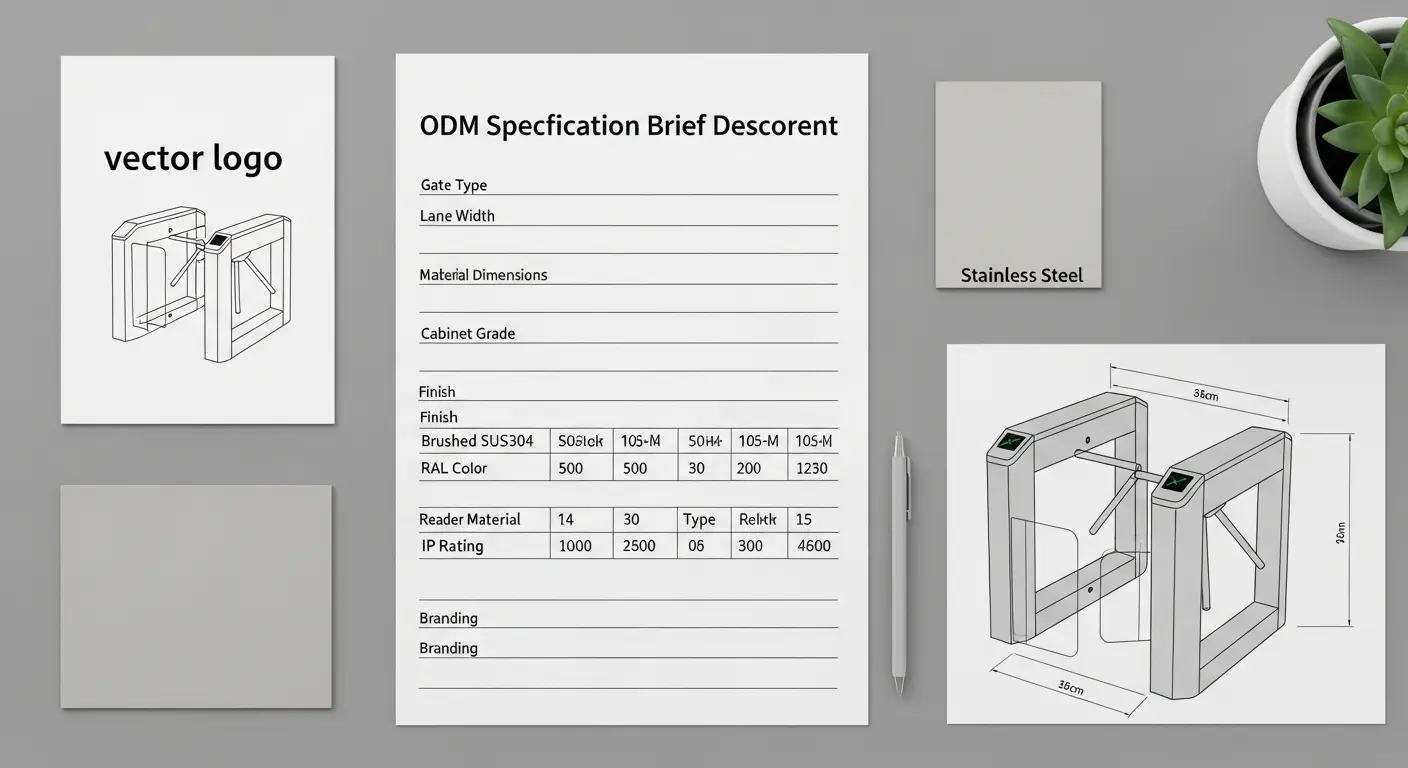
A successful turnstile gate ODM project starts with a detailed specification brief. Here's what the buyer is responsible for specifying — and what the factory engineers in response:
Buyer Specifies:
- Gate type: tripod, flap barrier, swing barrier, speed gate, full height, arc swing, or mantrap
- Lane width: standard 550–900mm or custom (specify exact dimension)
- Cabinet dimensions: length, height, column width if applicable
- Cabinet material and finish: SUS304 or SUS316, brushed or mirror-polished, RAL color if powder coat
- Panel material: tempered glass (clear, frosted, tinted), polycarbonate, or acrylic
- Credential reader type and protocol: HF RFID, LF RFID, UHF, NFC, biometric, barcode — and the communication protocol (Wiegand, RS485, OSDP)
- Reader position: standard side, recessed, top-cap, wheelchair height
- Sensor pair count: minimum required for the intended anti-tailgating and anti-pinch performance level
- Environmental requirement: IP rating, operating temperature range, coastal/winter-specific components
- Branding: logo placement, engraving/LED/frosted method, documentation identity
- Certification required: CE, FCC, RoHS — and whether a new test report is needed in the buyer's product name
Factory Engineers:
- Mechanical design of the drive mechanism to the specified lane width and panel geometry
- Control board firmware calibrated to the specified sensor count, passage profile, and communication protocol
- IP sealing configuration for the specified environment
- Factory quality control testing protocol against the buyer's specification
- Wiring diagrams, installation guides, and documentation in the buyer's brand identity
Turnstile Gate ODM by Gate Type
Not all gate types carry the same ODM flexibility. Here's how the major categories compare for configuration ODM projects:
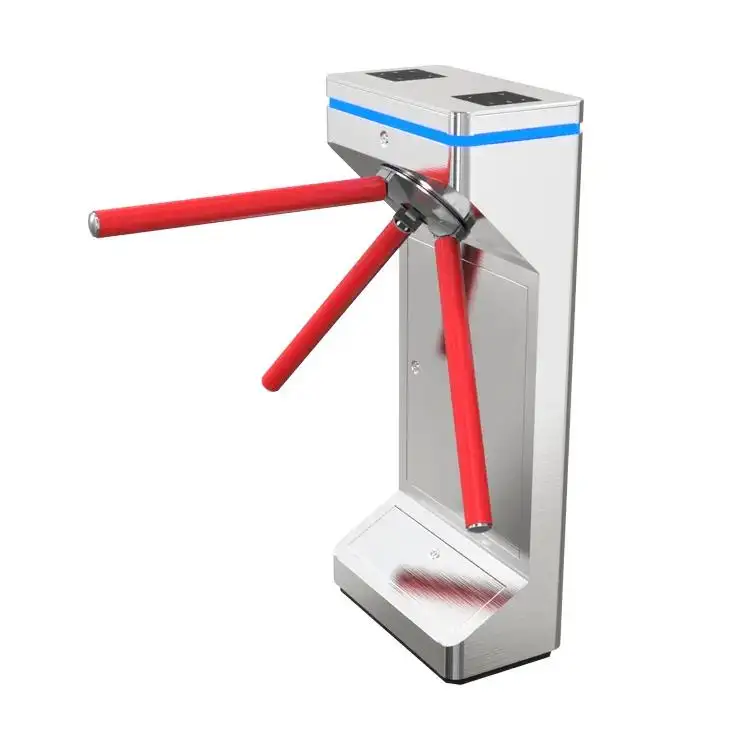
Tripod Turnstile Gate ODM
The most accessible turnstile gate ODM starting point. The three-arm mechanism is mechanically standardized across manufacturers — the buyer can specify cabinet material, finish, branding, arm profile, credential reader, and operating environment without requiring engineering changes to the core mechanism. MOQ for configuration ODM tripod orders runs 5–20 units depending on the scope of changes.
Arc Swing Gate Turnstile ODM
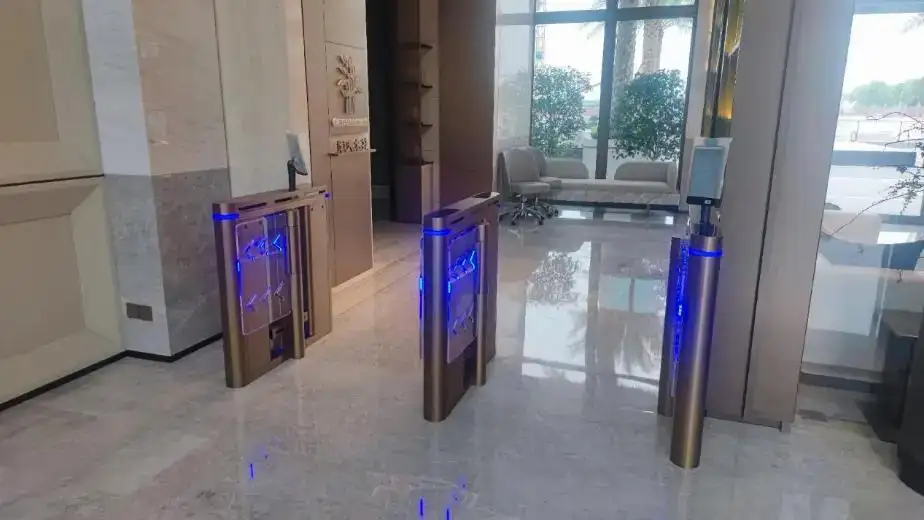
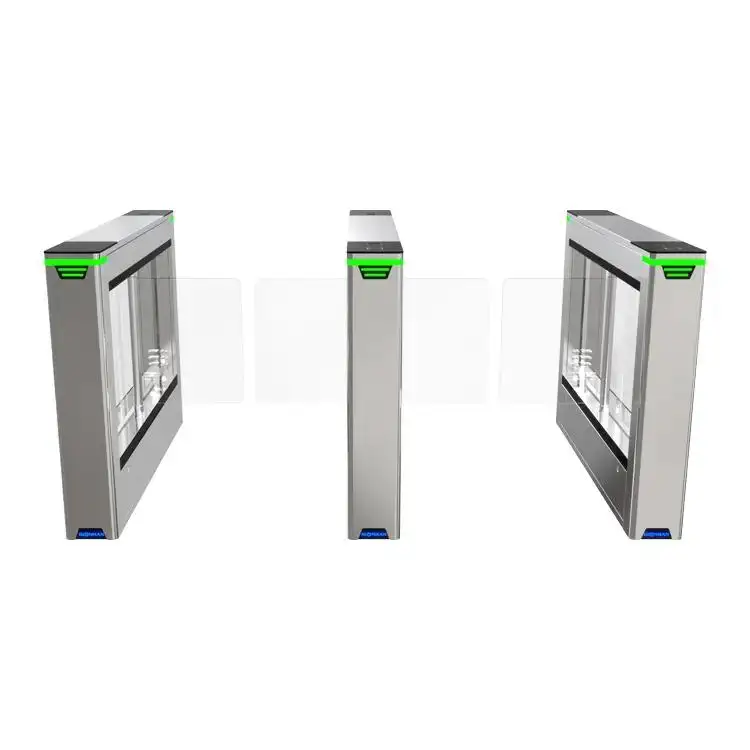
An arc swing gate turnstile in ODM configuration provides a wider panel sweep radius than a standard swing barrier — important for buyers whose brief requires a specific geometric panel motion rather than a standard 90° swing. For system integrators specifying a premium entrance product with a distinctive panel motion, the arc swing configuration is the ODM gate type that differentiates their product catalogue from the standard swing barrier gates every competitor carries.
Anti-Tailgating Full Height Turnstile ODM
For distributors targeting prison, military, and high-security industrial markets, an anti-tailgating full height turnstile in ODM configuration specifies the arm mechanism height (standard 2,100mm or custom), sensor pair count and positions for anti-tailgating detection, door lock interface for integrated man-trap adjacent rooms, and the buyer-specific access control protocol. The full height category in ODM is particularly important for distributors in regulated markets where the product must carry regional safety certification in the buyer's company name — which requires a full CE or FCC test report against the buyer's product identity, not the factory's.
AB Entrance Gate System ODM
The highest-security configuration for distributors. An AB entrance gate system in ODM configuration requires the factory to engineer the interlocking logic, the door-to-door timing sequence, the emergency dual-release behavior on fire alarm activation, and the credential reader interface — all to the buyer's brief rather than the factory's standard mantrap product. As a result, MOQ for AB gate system ODM runs higher (10+ units) and lead time extends to 35–50 working days for a new configuration.
Anti-Climb Swing Barrier Gate ODM
For distributors targeting perimeter security markets — campus, utility, infrastructure protection — an anti-climb swing barrier gate in ODM configuration specifies the extended panel height (1,600mm, 1,800mm, or 2,000mm), the panel material (tempered glass or polycarbonate for anti-shatter perimeter use), the drive mechanism for the larger panel mass, and the outdoor IP rating (IP65 minimum for perimeter positions). Similarly, for distributors serving cold-climate markets, a snow gate turnstile ODM configuration adds heated drive mechanism, anti-freeze gaskets, and heated electronics to the standard swing barrier base — a genuine engineering addition that requires ODM capability, not just OEM labeling.
Certifications in a Turnstile Gate ODM Project
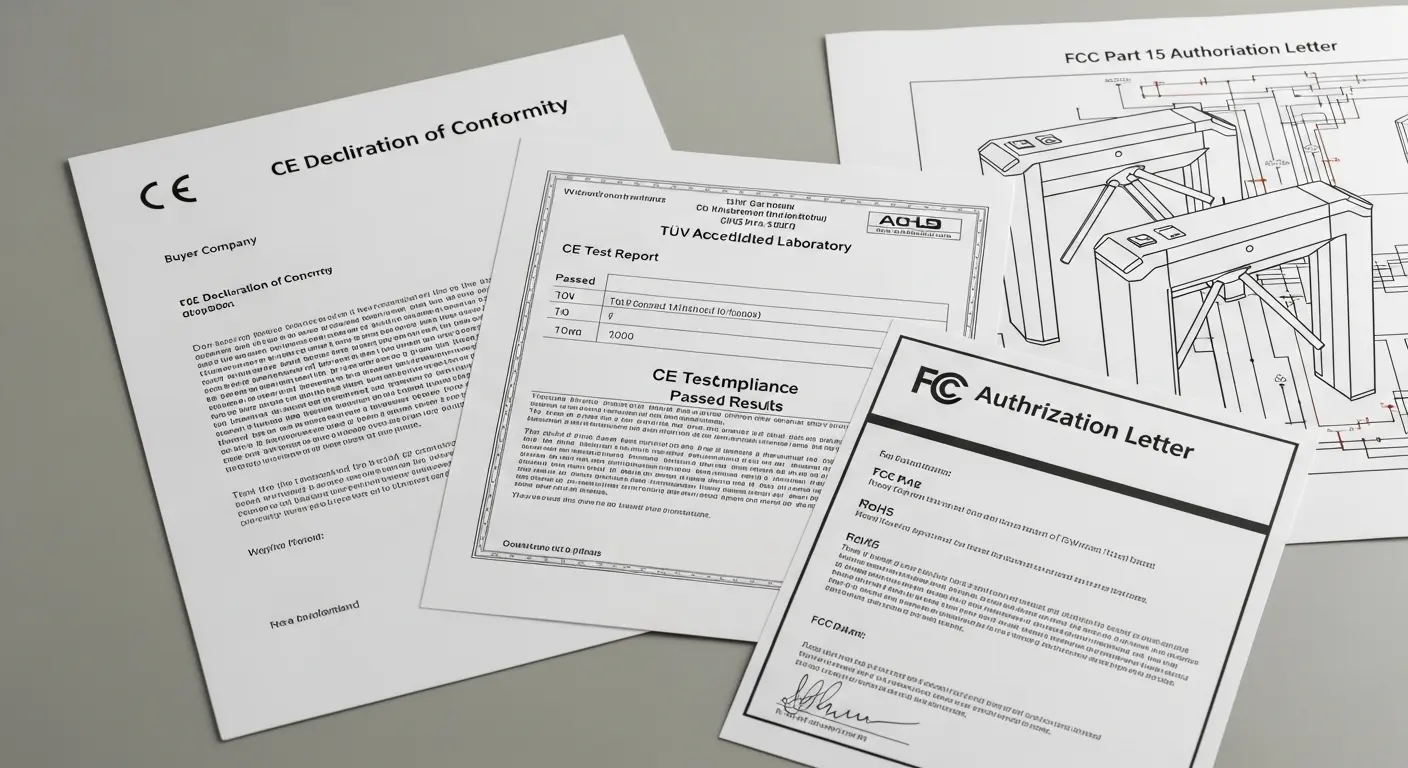
Certification is the area where turnstile gate ODM projects most frequently create unexpected complications — and where understanding the distinction between factory certification and buyer certification is critical:
Factory Certificate vs. Buyer Certificate
A factory's CE certificate covers the factory's standard product under the factory's company name. When a buyer sells the product under their own brand, the factory's certificate doesn't automatically transfer. The product must either be covered under a new CE declaration of conformity in the buyer's name — which requires a new test report — or the buyer uses the factory's certificate with full technical file access.
What Most ODM Buyers Actually Need
For configuration ODM (standard mechanism, buyer-specified configuration), the factory's existing CE test report typically covers the modified product if the changes don't affect the tested safety parameters. The factory issues a Declaration of Conformity in the buyer's product name, based on the existing test report.
For engineering ODM (new mechanism, modified drive, custom firmware), a new CE test report under the buyer's product name is required — which adds 4–8 weeks and €2,000–€5,000 to the project budget depending on the test scope and accredited lab used.
RoHS and FCC
For buyers selling into North American markets, FCC Part 15 compliance for the control board electronics is required. For European and most global markets, CE and RoHS compliance is the baseline. Confirm at the specification stage whether the factory's existing FCC/CE test reports are transferable to the buyer's product identity or whether new testing is needed.
Anti-Tailgating ODM: The Highest-Value Configuration for Distributors
For distributors building a product line positioned against generic turnstile catalogues, anti-tailgating performance is the single most defensible technical differentiator. Standard catalogue gates spec 4–6 infrared sensor pairs and describe anti-tailgating in general marketing terms. A buyer who specifies 10–16 sensor pairs, documented detection accuracy above 99%, and a published false alarm rate in their ODM brief — and who carries test data to prove it — has a product that wins competitive tender evaluations against generic alternatives.
An anti-tailgating AB turnstile gate in ODM configuration provides this technical differentiation at the product level — the buyer specifies sensor count, detection sensitivity, alarm output interface, and video verification integration, the factory engineers it to the specification, and the buyer carries a product with published and verifiable anti-tailgating performance rather than a marketing claim.
The Turnstile Gate ODM Process: What to Expect
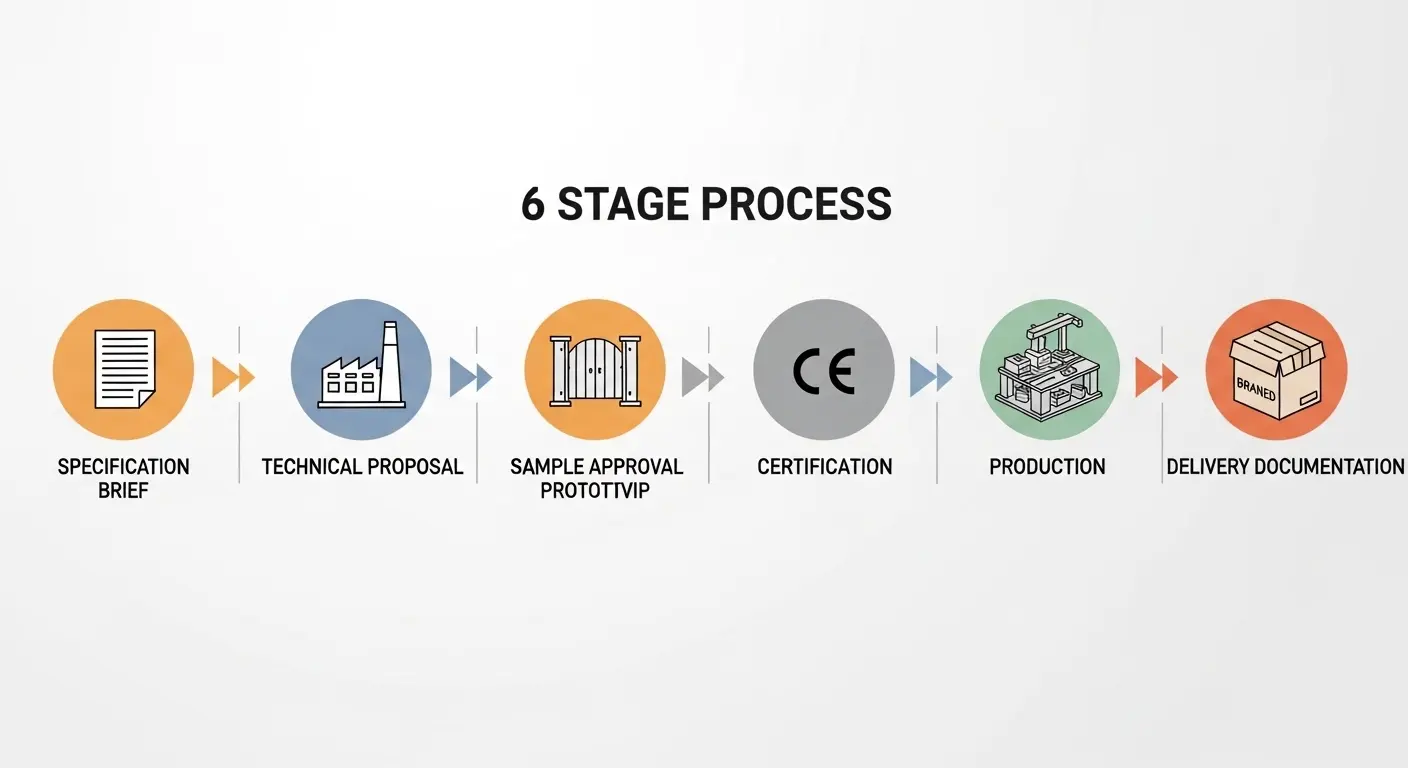
A realistic turnstile gate ODM project runs through six stages. Buyers who understand the timeline upfront manage stakeholder expectations and avoid the most common source of ODM project delays:
Stage 1 — Specification Brief (1–2 weeks)
The buyer provides a written specification covering all parameters listed in the "What You Specify" section above. Incomplete briefs are the most common cause of ODM project delays — every round of clarification after production starts adds cost and time.
Stage 2 — Factory Technical Proposal (1 week)
The factory reviews the brief and responds with a technical proposal: recommended base model, configuration options with cost differentials, certification implications, lead time, MOQ, and pricing. A competent ODM factory flags specification conflicts or unfeasible requirements at this stage — not after production starts.
Stage 3 — Sample Approval (2–4 weeks)
For configuration changes, a factory sample is produced and submitted for buyer approval — covering finish, branding placement, reader position, lane width, and cycle function. For engineering ODM, a prototype is produced and tested by the buyer before production release.
Stage 4 — Certification (4–8 weeks, if new testing required)
If the configuration change requires a new CE or FCC test report, the sample is submitted to an accredited test laboratory. This stage runs in parallel with production tooling preparation where possible to avoid adding the full test duration to the project timeline.
Stage 5 — Production (15–40 working days)
Full production runs against the approved sample and signed-off specification. Factory QC tests each unit against the ODM specification — not the factory's standard product spec — before shipping.
Stage 6 — Delivery Documentation (concurrent with Stage 5)
The factory prepares buyer-branded documentation: installation guides, wiring diagrams, maintenance schedules, warranty cards, and CE Declaration of Conformity — all in the buyer's product identity. Missing documentation at delivery is a common ODM project failure point for buyers who didn't request it at brief stage.
Frequently Asked Questions About Turnstile Gate ODM
Q: What is turnstile gate ODM?
A: Turnstile gate ODM (Original Design Manufacturing) is a manufacturing arrangement where a factory engineers and produces a turnstile gate to a buyer's design specification — including gate type, dimensions, material, finish, credential reader, environmental rating, and branding — and delivers it under the buyer's product label. The buyer owns the product identity; the factory provides engineering, manufacturing, and production capability.
Q: What is the difference between turnstile gate ODM and OEM?
A: OEM (Original Equipment Manufacturing) means the factory's standard product is rebranded with the buyer's logo. The design and IP belong to the factory. ODM means the product is engineered to the buyer's specification — either a modified version of a standard product (configuration ODM) or a fully new design (engineering ODM). In configuration ODM, the mechanism is proven and standard; the buyer's specification drives the physical and functional configuration. In engineering ODM, the factory develops new components, firmware, or structure to meet the brief.
Q: What is the typical MOQ for a turnstile gate ODM order?
A: For configuration ODM (buyer-specified dimensions, finish, reader — standard base mechanism): 5–20 units, depending on the extent of changes. For engineering ODM (new mechanism, modified drive, custom firmware): 20–50 units, reflecting the NRE (non-recurring engineering) cost that the factory amortizes across the order quantity. Surface branding ODM (logo and color on a standard model) often carries MOQ of 1 unit at a higher per-unit cost.
Q: Does a turnstile gate ODM product need new CE certification?
A: Not always. If the configuration changes don't affect the safety-critical parameters covered in the factory's existing CE test report — physical dimensions that change clearances, new electrical components, modified firmware that affects sensor behavior — the existing test report can be referenced in a new Declaration of Conformity in the buyer's name. If the changes do affect tested parameters, a new CE test report under the buyer's product identity is required — add 4–8 weeks and €2,000–€5,000 to the project budget for this.
Q: How long does a turnstile gate ODM project take from brief to delivery?
A: A configuration ODM project with no new certification required: 6–10 weeks from signed-off specification to delivery. An engineering ODM project with new CE testing: 14–20 weeks. The most common delay factors are incomplete specifications at brief stage, late sample approval decisions, and certification test queues at accredited labs. Buyers who provide a complete specification brief at Stage 1 and commit to prompt sample approval decisions consistently achieve the fastest project timelines.
