


Electronic Turnstile: Compact Column Design Solves Modern Entry Control Pressure
2026-03-16


The procurement of electronic turnstiles is no longer as simple as preventing unauthorized access. International customers now want access control solutions that protect entry points while saving physical access control integration/architecture/and access design. With the proliferation of mobile credentials, biometrics, and unified building systems, systems that provide greater intelligence to control access points are being sought after.
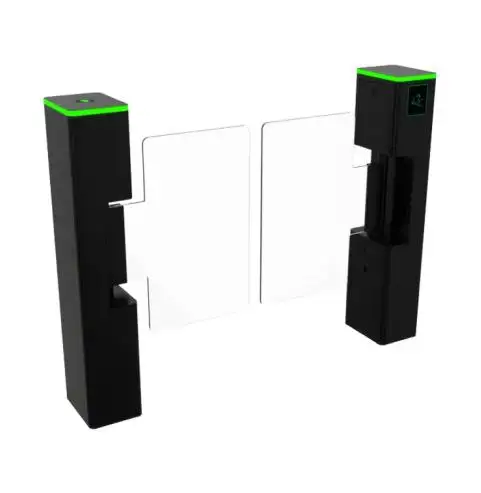
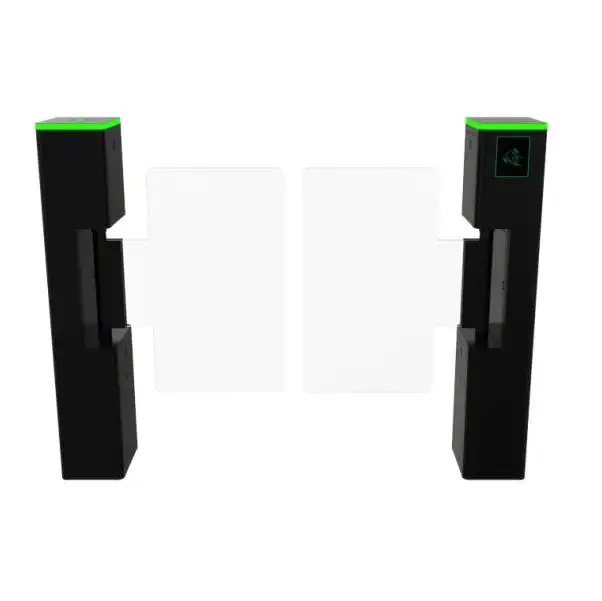
This is where IRONMAN Intelligent excels. Its column-style swing barrier integrates core access components into a slim structure, helping buyers achieve smoother pedestrian flow, cleaner aesthetics, and better compatibility with modern access-control requirements.
The Pain Point Buyers Face Today
In many projects, entrance control becomes difficult for three reasons at once.
•Space at the entry point is limited
•The client wants a more open and welcoming visual effect
•The access system still needs to support modern credentials and safety logic
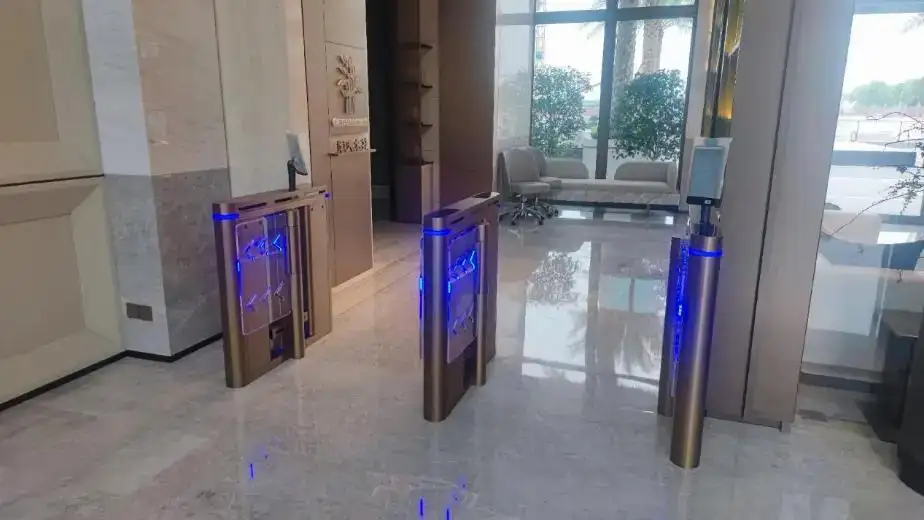
Traditional turnstile formats can create a heavy visual presence, especially in reception areas, medical buildings, hospitality spaces, and upgraded office lobbies. They may control traffic, but they do not always match the architectural language of the site. For retrofit projects, the problem is even sharper because installers often have to work with narrow passages, existing floor conditions, and pre-defined user routes.
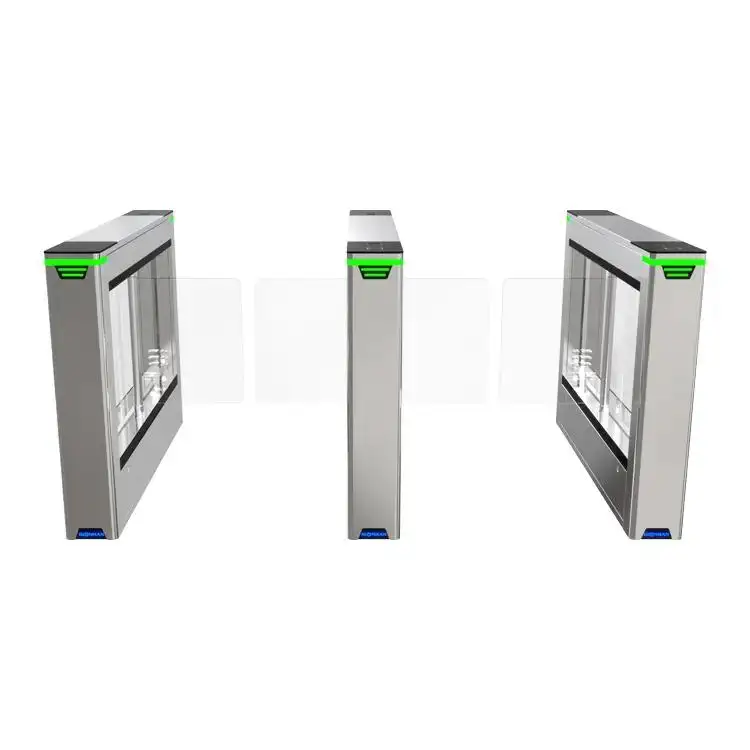
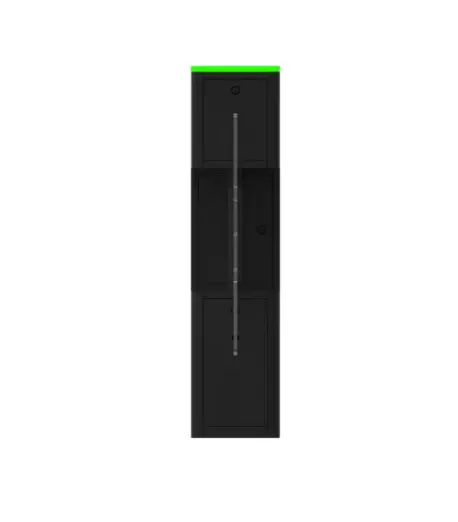
That is why the column-type structure matters. By reducing body bulk and concentrating scanner, motor, and indicator functions into a compact vertical unit, IRONMAN Intelligent gives buyers a way to preserve usable floor area while keeping the entrance organized and professional. The result is not only better visual integration, but also more flexible lane planning for different traffic volumes and site layouts.
Compact Design Has Become a Strategic Feature
A compact access-control footprint is no longer just a styling preference. It now affects the total success of the project.
Modern entrances need to process staff, visitors, contractors, delivery personnel, and in many cases people carrying bags, carts, or medical items. They also need to avoid creating a hostile first impression. A swing barrier format is often more suitable in these settings because it offers a more open passage experience than more rigid mechanical barriers, while still enforcing controlled authorization.
IRONMAN Intelligent addresses this need with a column-based Electronic Turnstile that combines:
•A slim structure for space-sensitive installations
•A passage width of up to 1000 mm for more comfortable movement
•Configurable one-way or two-way operation
•Traffic capacity of up to 30 people per minute
•Clean integration with card, QR, fingerprint, and face-recognition workflows
For overseas buyers, this combination is commercially important. It supports a wider range of bid scenarios, from premium office projects to hospitals and public service facilities, without forcing the same visual language on every site.
Why Integration Readiness Matters More in 2026
The best entrance equipment today is not judged only by mechanics. It is judged by how well it works inside a broader digital security ecosystem.
NIST's zero trust guidance emphasizes granular access control and minimizing implicit trust, which means organizations increasingly want more precise identity validation and stronger linkage between users, devices, and permissions. In physical spaces, that pushes demand toward turnstiles and barriers that can work with diverse identification methods and connect cleanly to wider control systems.
That trend directly supports IRONMAN Intelligent's approach. The system is designed to integrate with multiple credential methods and standard interfaces such as dry contact, RS485, and optional TCP/IP. For buyers, this reduces project friction in two ways. First, it makes third-party system matching easier. Second, it helps future-proof the installation as the client moves from cards to QR codes, mobile identity, or biometric verification.
This matters in real procurement work because many clients do not want to replace the turnstile body when they upgrade the identification layer. They want an infrastructure-ready platform that can evolve with policy, tenant needs, and technology direction.
Accessibility and User Comfort Cannot Be Secondary
Another reason column-style swing barriers remain relevant is user inclusiveness. In public and semi-secure spaces, a gate must control access without creating unnecessary difficulty for wheelchair users, visitors with luggage, or staff moving equipment.
The ADA's 2010 Standards specify minimum clear-opening requirements such as 32 inches for door openings, with wider circulation needs in many real-world accessibility scenarios. While turnstile planning must always be reviewed against local codes and project conditions, the broader lesson for buyers is clear: entrance control equipment must be selected with movement comfort and inclusive passage design in mind, not only security logic.
IRONMAN Intelligent's wider-lane configuration capability and open swing-barrier passage model fit this direction well. Compared with more restrictive barrier forms, it creates a friendlier experience while still supporting anti-tailgating, anti-reverse passage logic, and controlled authorization.
Reliability Still Decides Long-Term Value
Elegant design alone is not enough for procurement professionals. Reliability remains central to total lifecycle value.
IRONMAN Intelligent supports optional brushless DC motor or servo motor drive systems, with a maintenance-free cycle target of 30 million plus operations according to the supplied product data. That is significant because entrance equipment is often exposed to repeated daily use, peak-hour pressure, and high expectations for uptime. Buyers need products that do not create avoidable service calls or visible operational inconsistency.
The material strategy also supports durability. With 1.5 mm SGCC steel construction, the housing is positioned for structural stability and long-term use in indoor and semi-outdoor sheltered environments. Combined with emergency free passage during power failure, LED status indication, and straightforward floor-mounted installation, the product aligns with the practical priorities of integrators and end users alike.
Why This Solution Matches Market Direction
The access-control market is moving toward four clear expectations: smarter identity, stronger interoperability, better user experience, and cleaner building integration. HID's 2025 findings on mobile credentials and biometrics, together with SIA's emphasis on unified cyber-physical platforms, show that buyers increasingly prefer solutions that are secure, adaptable, and ready for broader building intelligence strategies.
IRONMAN Intelligent's column-style Electronic Turnstile fits that direction because it does not treat pedestrian control as a standalone metal barrier. It treats it as part of a modern entrance system: compact in form, flexible in interface, welcoming in appearance, and aligned with current access-control expectations.
For overseas procurement teams, that is the real advantage. A well-chosen Electronic Turnstile should do more than regulate passage. It should help the site look better, move people more smoothly, adapt to changing credential technologies, and support the long-term value of the overall security project.
