


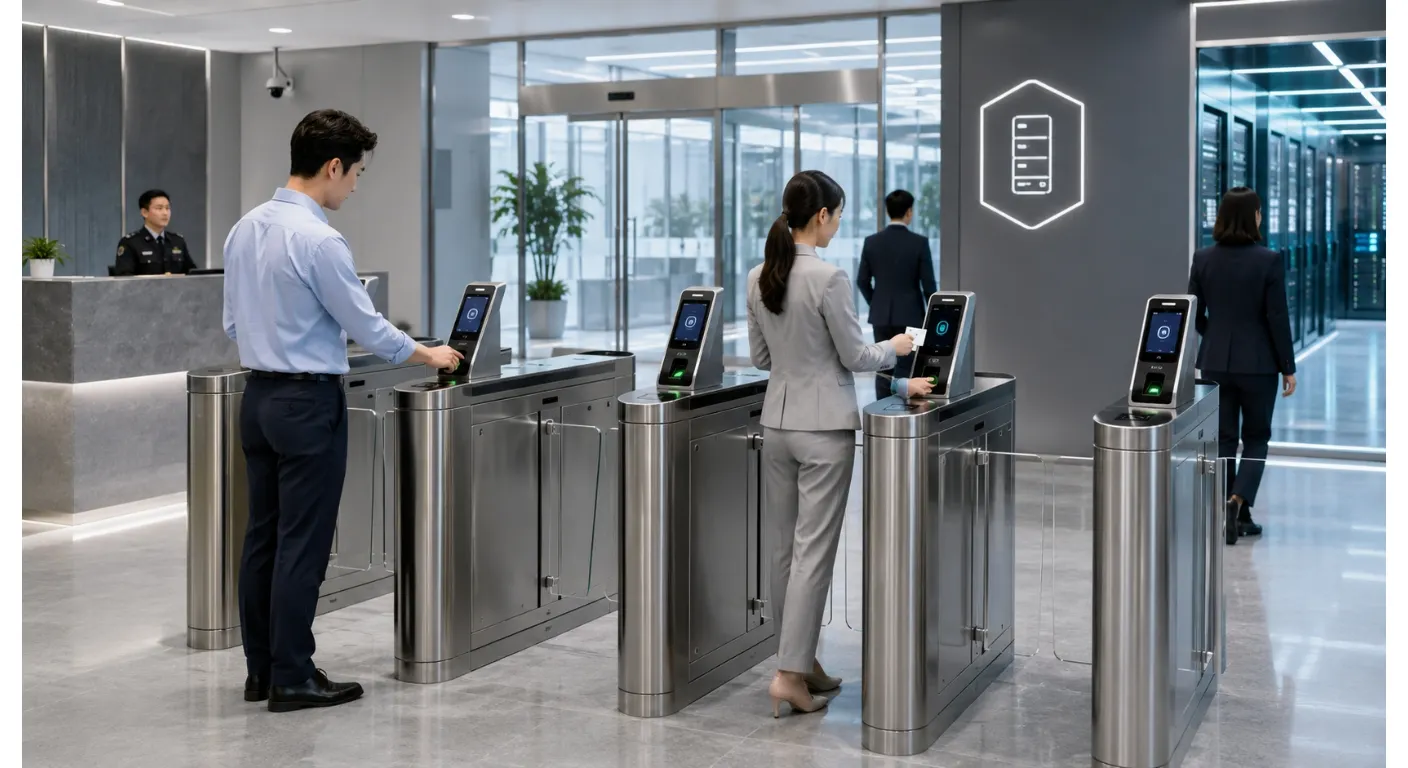
Integrated Turnstile Gate Solutions With Ticketing Systems for Modern Venues
2026-06-23


Introduction
The management of entry into venues has undergone several changes. Showing the comparison between paper tickets and digital credentials demonstrates this. With the use of a smartphone, QR code, or RFID card, access to most resorts, stadiums, and transit centers can be managed. This evolution also relies on integrated turnstile gate systems. Smart systems can combine ticketing systems with turnstile gates and therefore combine digital ticketing with access control. Operators enjoy many advantages from these systems including fast throughput, a nexus of security and fraud prevention, and data that have significant value.
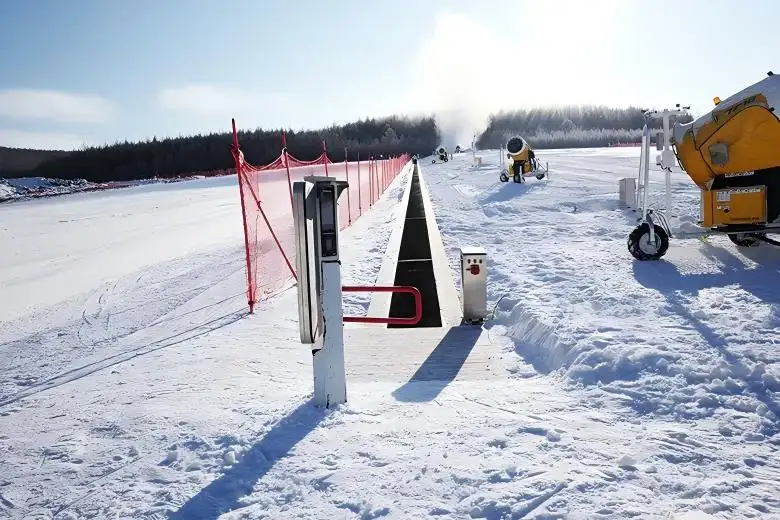
The Evolution of Ticketing: From Paper to Digital
Bottlenecks and user frustration were the result of counterfeiting and the checks of paper stubs and physical ticket passes. The integrated turnstile gate solutions of today are different and support a variety of digital credentials based on the environment.
| Credential Type | How It Works | Ideal Use Case |
| RFID Cards / Wristbands | Contactless radio-frequency identification | Ski passes, employee badges, frequent visitors |
| QR Codes | Scanned via camera or dedicated reader | Mobile tickets, low-cost events, temporary access |
| NFC Mobile | Tap phone against reader | Smartphone-based entry, secure payments |
| BLE (Bluetooth Low Energy) | Proximity-based detection | Hands-free access, gloved environments (e.g., ski slopes) |
| Biometrics (Face/Fingerprint) | Physiological verification | High-security zones, frictionless VIP entry |
When integrated with ticketing systems, turnstile gate systems are the optimal choice for customers while ensuring their investment is secure.
Integration of Turnstile Gate Solutions with Ticketing Systems
Within a modern integrated turnstile gate solution, a number of steps occur in a coordinated manner over a time span of just a few milliseconds.
•Credential capture: The turnstile's reader detects a presented ticket (either RFID, QR, NFC, or a biometric credential).
•Authentication: The reader sends a request to the central ticketing system over a typical communication protocol (for example, Wiegand, RS485, or TCP/IP).
•Validation: The system checks the database to confirm that the credential is valid, time is within the allowed time frame, the usage limit has not been exceeded and the access rights are valid.
•Authorized access requests result in the turnstile unlocking and the gate opening.
•Logging: The system documents the transaction.
These steps are repeated for each access request. The integrated design provides the basis to implement integrated turnstile gate solutions with ticketing systems as either free standing units or as integrated systems within a centralized access control system, from small facilities to large, multi-venue systems.
Security and Safety Features
In addition to access control, these systems also provide several other features. For example:
•Infrared anti-pinch detection: Accidents are avoided by the multiple pairs of sensors that detect objects in the path of the gate while the gate is closing.
•Anti-tailgating logic: The system will trigger an alarm when more than one person passes through the gate on a single access grant.
•Emergency fail-open: The turnstile will unlock for a safe evacuation in case of a power outage or a fire alarm.
•Biometric systems: These systems provide additional identity verification for restricted areas through either facial recognition or fingerprint recognition.
•Real-time system monitoring: Notifications are sent to operators for unauthorized access attempts and/or equipment malfunctions.
•Safety features must be dependable in high traffic scenarios. Integrated turnstile gate solutions combined with ticketing systems must serve this purpose while ensuring the safety of people and property.
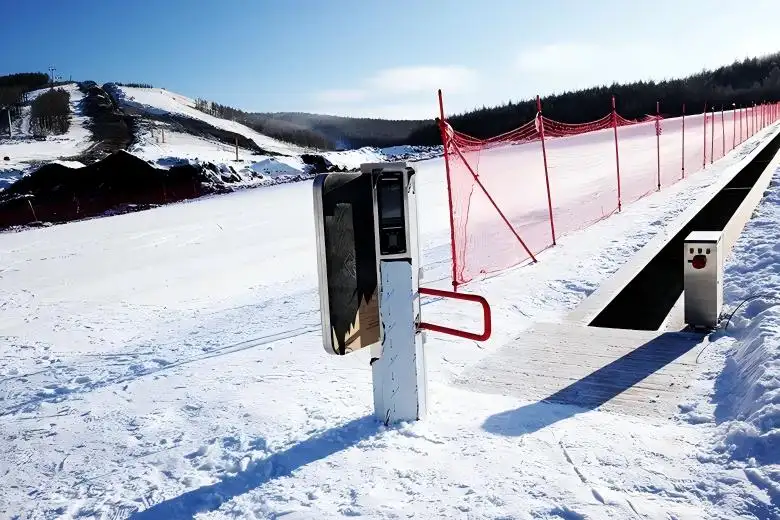
Real-World Example: A Canadian Ski Resort
Several extreme conditions best showcase the capabilities of the IRONMAN Intelligent integrated turnstile gate solutions. One of the largest ski resorts in Canada contends with serious winter weather, heavy snow, and thousands of skiers wearing snow gloves. The resort needed an access system that could:
•Work in even the most severe sub-zero conditions
•Allow quick, hands-free entry without the need to remove gloves or equipment
•Easily integrate with their existing RFID ski pass system
•Operate in snow, ice, and moisture with little to no upkeep
A customized integrated turnstile gate solution was designed with the following features to meet the above criteria:
•Components designed for low temperature operation for Canadian winters
•Waters and snow-proof housing to avoid the risk of icing and malfunction
•Outdoor, snow and salt resistant housing in the alpine with corrosion resistant
•Ergonomic design that would allow skiers to pass through without the need to remove gloves
•Direct integration with the resorts system for ticketing was incorporated with
•Swift access with the RFID gates
•Anti-slip lane surfaces in the system to provide passage even in icy conditions
The system easily integrated with the resorts existing infrastructure, and provided stable performance in even the most severe Canadian snow. The system increased throughput of skiers even during peak load periods, and diminished the need for manual checks of the skiing tickets, thereby increasing the satisfaction of the guests.
Integrated Turnstile Gate Solutions Benefits
Integrated turnstile systems combined with ticketing solutions lead to quantifiable benefits for system operators.
•Turnstiles move people quicker. Throughput rates improve to nearly 50 people per turnstile per minute. No one has to wait in line anymore.
•Turnstiles allow savings on staffing. Resources are lost managing disputes on missing tickets and adding ticket checkers.
•Revenue loss is avoided. Quick validation of tickets safeguards revenue against the risk of fraudulent tickets and illegal "double dipping" or re-entering the venue.
•More analytics become available. Analytics that capture behaviors and statistics on who and when the venue reaches peak attendance serve to improve the use of resources and fine-tune/optimize how the system works.
•Access is contactless and hands free to improve user experience. Traditional access systems use contact and require opening and closing by hand. With turnstiles, users no longer have to wait for access to be granted, which is especially useful in cold and wet weather.
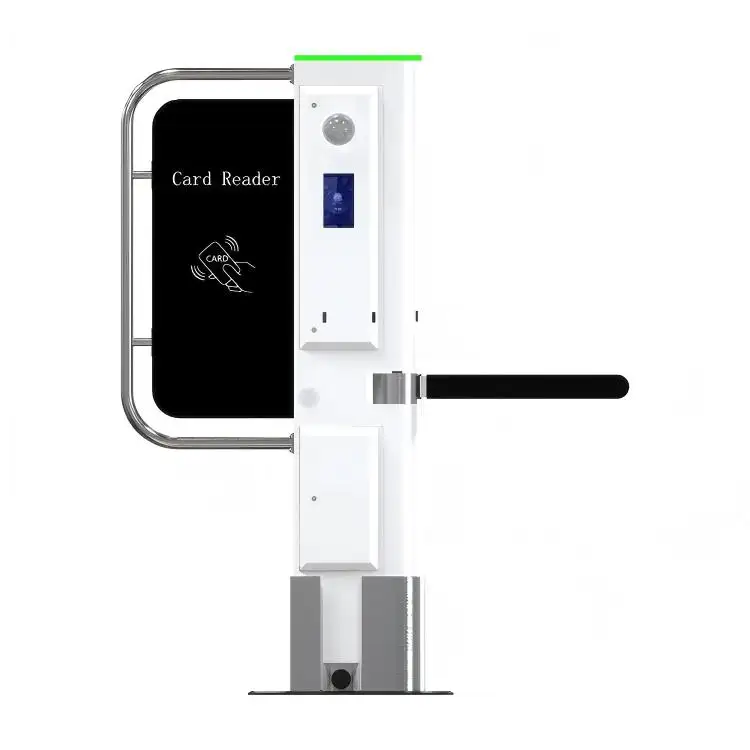
AI, Mobile, Cloud
Integrated turnstile systems combined with ticketing solutions are rapidly evolving and several technologies are directing that evolution.
•Predictive analytics will be used to mitigate congestion before it occurs. Machine learning will be used to adjust the number of turnstile access lanes in real-time.
•Begging and Near Field Communication (NFC) technologies will eliminate the need for users to engage their turnstile system. Access is detected by the turnstile when it senses a mobile device.
•Cloud based control systems enable turnstile control to be monitored in real time and adjusted from any location.
•The application of turnstiles and their data will be associated with urban mobility systems and city planning.
The future suggests that intelligent access systems will consist of integrated turnstile systems and ticketing technology.
Final Words
The progression from the use of paper tickets to digital access methods has improved the experience of end users to the same extent as it has improved the control of access by providers. Integrated turnstile gate solutions embedded with ticketing systems make this transition possible. They do this by verifying tickets, controlling flow and collecting information in real time. Whether installed in a snowy ski resort, a busy stadium, or in the lobby of an office building, these systems provide the needed speed, security and scalability. With the Advancement of Mobile Credentials and Artificial Intelligence, Integrated Turnstiles will continue to illustrate that one ticket, one code and one cell phone can change the entry experience forever driving the turnstile from the digital ticket's gateway to the physical realm.
FAQs
Q1: What is the average power use of these turnstiles?
A: Most units use less than 100W when in standby. They run on low-voltage, energy-efficient motors.
Q2: What are the possible ongoing costs for the ticketing integration software?
A: Most options provide a one-time license, however, some of the cloud-based options have a monthly fee.
Q3: What occurs when a ticket is scanned in twice in a short period of time?
A: The system registers that the ticket was used in excess and denies entry for the configured time period.
Q4: Does the turnstile work with currently installed barrier gates or fencing?
A: Yes. The modularity of the design allows integration with all standard safety barriers and lane dividers.
Q5: Does the turnstile need to be able to connect to the internet to work?
A: Local validation can occur in the offline state. All transactions will sync when a connection is re-established.
