


Transportation & Smart Hubs: Efficient Passenger Access for Transit Facilities
2025-10-27


Imagine Grand Central Terminal during rush hour, London King's Cross as commuters surge, or the intricate dance of passengers at Tokyo Station. These massive transportation hubs are the lifeblood of cities and regions, complex ecosystems designed to connect millions of people with their destinations via trains, buses, metros, and more. But managing the sheer volume of humanity flowing through these critical junctions presents an immense logistical challenge, one where efficiency and safety must constantly intertwine.
For decades, the approach often involved manual processes – ticket inspectors, platform attendants, basic barriers. While functional, these methods struggle under the intense pressure of modern passenger volumes, leading to bottlenecks, delays, frustration, and potential safety risks. The solution lies in embracing intelligence and automation.
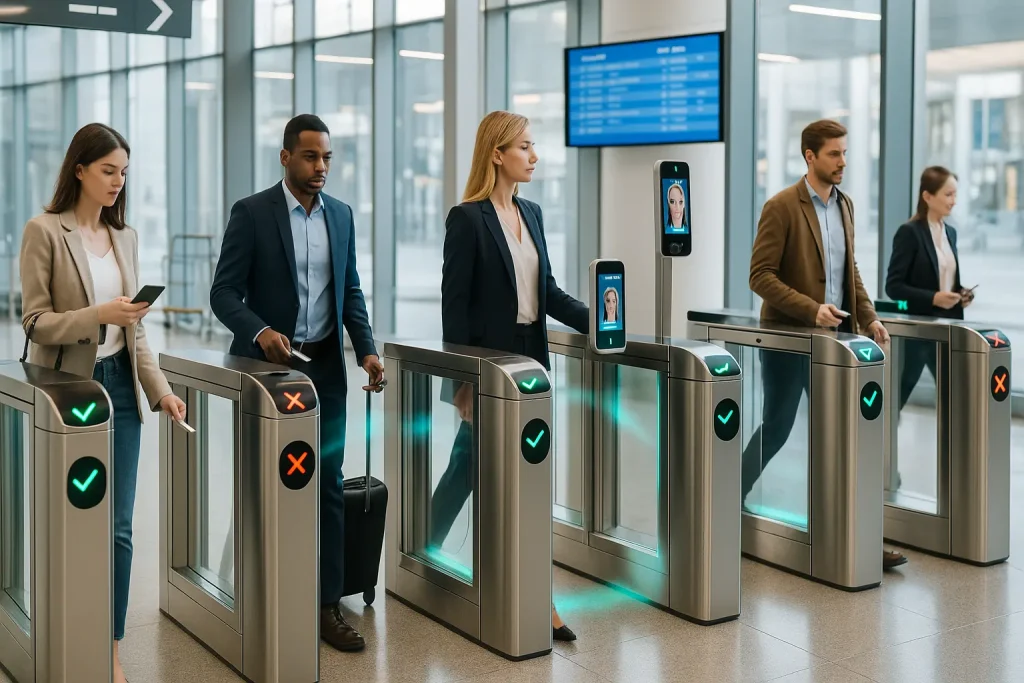
This is the evolution towards Smart Hubs. We're moving beyond the concept of a station as just a passive point of transfer. A smart hub is an active, connected, data-driven environment that uses technology to optimize every aspect of its operation, with a primary focus on the seamless, secure, and efficient movement of people. Central to this vision is the technology governing passenger access – the intelligent systems that manage entry, validate fares, and ensure safe passage. This guide provides an expert exploration of smart access solutions within transportation hubs, focusing on how technology, particularly automated gates, enables efficient passenger flow while maintaining critical safety and security.
What Defines a "Smart" Transportation Hub?
A smart transportation hub uses connected technologies like the Internet of Things (IoT), Artificial Intelligence (AI), data analytics, and automated systems to optimize operations, enhance passenger experience, improve safety, and manage flow efficiently. It moves beyond being just a physical Transport hub to become an intelligent, responsive ecosystem.
The "smartness" isn't about one single piece of technology; it's about integration and data. Key characteristics include:
- Connectivity: Sensors, cameras, gates, information displays, and operational systems are all interconnected, sharing data in real-time.
- Data Analytics: Vast amounts of data on passenger flow, train movements, gate usage, and environmental conditions are collected and analyzed to identify patterns, predict issues, and inform decisions.
- Automation: Manual processes (like ticket checking, gate operation, and even some aspects of crowd control) are automated for speed, consistency, and efficiency.
- Real-Time Information: Passengers receive up-to-the-minute information about schedules, delays, platform changes, and navigation via integrated displays and mobile apps.
- Enhanced Passenger Experience: The focus shifts to creating a smoother, less stressful journey – reducing wait times, providing clear guidance, and offering integrated services.
- Optimized Operations: Data insights allow operators to improve scheduling, allocate resources more effectively (e.g., staffing levels), and perform predictive maintenance on infrastructure like gates or escalators.
Why is Efficient Passenger Access Crucial for Smart Hubs?
Efficient passenger access is crucial for managing the immense volumes inherent in transportation hubs, preventing dangerous congestion, ensuring adherence to tight schedules, reducing traveler stress, enabling seamless multi-modal journeys, and collecting vital data for optimizing hub operations and future planning.
Inefficient access is not just an inconvenience; it's a critical failure point in a transit system.
- Managing Extreme Volumes: Major hubs can see hundreds of thousands or even millions of passengers daily. Manual checks simply cannot scale to handle this volume, especially during peak hours. Efficient automated access is the only viable solution.
- Preventing Dangerous Congestion: Bottlenecks at entry points, fare gates, or platforms can lead to dangerous overcrowding, increasing risks of accidents, falls, or even crushes in extreme cases. Smooth, predictable flow managed by efficient access systems is paramount for safety.
- Ensuring Punctuality: Delays in passenger processing at gates can directly lead to train or bus delays, impacting the entire transit network's reliability. High throughput access systems are essential for maintaining tight schedules.
- Reducing Passenger Stress: Navigating a busy hub is inherently stressful. Long queues, confusing layouts, and malfunctioning fare gates add significantly to passenger anxiety. A smooth, fast, and intuitive access process dramatically improves the travel experience.
- Enabling Multi-Modal Journeys: Smart hubs facilitate seamless transfers between different modes (e.g., train to metro, bus to tram). Efficient access systems that use interoperable fare media (like a single smart card or mobile app) are key to making these transfers quick and easy.
- Collecting Vital Operational Data: Every passage through an access gate generates data. This data (passenger counts, entry/exit times, fare types) is invaluable for transit planners to understand demand, optimize routes and schedules, and justify infrastructure investments.
What Role Do Automated Gates Play in Smart Hub Access?
Automated gates, particularly intelligent speed gates, serve as the essential physical control points within a smart hub. They automate fare validation and ticket checks, securely control entry/exit to paid or restricted zones (like platforms), manage high passenger throughput efficiently, significantly reduce fare evasion, and integrate directly with the hub's data and operational systems.
These gates are the front-line enforcers and data collectors for the smart hub's access strategy.
- Automation of Validation: They replace manual ticket checks, providing consistent, rapid validation of various fare media (smart cards, mobile tickets, paper barcodes).
- Access Control: They create a clear physical delineation between unpaid concourse areas and paid platform areas, ensuring only authorized passengers proceed.
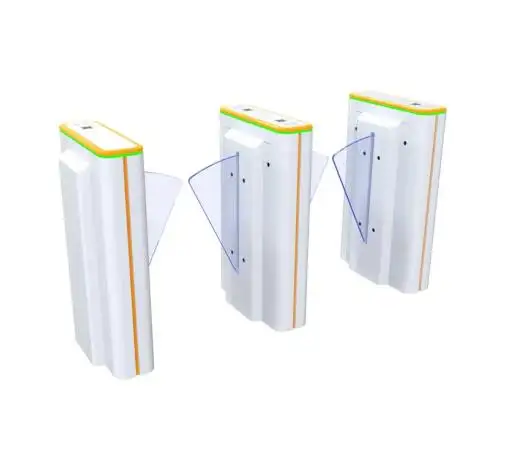
- Throughput Management: Specifically designed for speed, gates like flap barriers can process passengers much faster than traditional methods, preventing queues. A purpose-built smart transportation hub speed gate is engineered precisely for this demanding environment.
- Fare Evasion Reduction: The physical barrier significantly deters opportunistic fare evasion, protecting crucial revenue for the transit authority.
- Data Integration: As connected devices, they feed real-time passage data into the hub's central systems, enabling intelligent flow management and analytics.
How Do These Gates Enhance Passenger Flow (Throughput)?
By automating the validation and passage cycle to sub-second speeds for many transactions, automated gates can process passengers at rates of 30-45+ people per minute (PPM) per lane, compared to perhaps 10-15 PPM for manual checks. This dramatic increase directly translates to shorter queues and smoother flow during peak travel times.
The "character" of a smart hub gate is defined by its speed and efficiency:
- Fast Validation: Modern readers for contactless cards, NFC mobile payments, and QR codes achieve transaction times often under 500 milliseconds.
- Rapid Barrier Action: High-speed motors in flap barrier gates can retract and close the barriers in less than a second.
- Optimized Sensor Logic: Intelligent sensors allow the gate to close immediately and safely behind a passenger, minimizing the "lane open" time and maximizing the number of people who can pass through sequentially.
- Measurable Impact: The difference is stark. A queue of 100 people might take a single manual inspector 7-10 minutes to process. That same queue could potentially clear through three automated gate lanes in under a minute. This efficiency is critical for handling the concentrated surges of passengers disembarking from a train or rushing to board one.
How Do Gates Contribute to Safety and Security in Transit Hubs?
Gates enhance safety by controlling access to potentially hazardous platform and track areas, preventing dangerous overcrowding through managed flow, and enabling emergency procedures. They improve security by deterring unauthorized access, reducing fare evasion, and providing auditable entry/exit logs for monitoring and investigations.
Safety and security are paramount in busy transit environments:
- Platform Safety: Controlling access ensures only ticketed passengers are on platforms, reducing the risk of accidents involving moving trains or falls onto tracks.
- Crowd Control: While primarily designed for validation, gate systems can sometimes be used to regulate flow onto platforms during extreme peaks or disruptions, preventing dangerous crush conditions. Sensor data can also feed into crowd density monitoring systems.
- Fare Enforcement & Deterrence: The physical barrier is a clear deterrent to casual fare evasion and prevents unauthorized individuals (who may pose other security risks) from easily accessing secure areas.
- Emergency Egress: Critically, all public transit gates must be designed to fail-safe (open automatically upon power loss or fire alarm signal) or have clear, easily accessible emergency push-bar releases to allow for rapid, unimpeded evacuation. This is a non-negotiable life-safety requirement.
- Audit Trail: The logged data of entries and exits provides crucial information for security teams monitoring station activity or investigating incidents (theft, vandalism, safety events).
What Technologies are Integrated into Smart Hub Gates?
Smart hub gates integrate a range of technologies optimized for transit: high-speed multi-format fare readers (contactless cards, mobile QR/NFC, EMV), robust high-cycle motors, durable barrier materials, advanced sensors for passage and safety, clear passenger displays, and secure network connectivity to central AFC and operational systems.
These gates are technological workhorses:
- Multi-Format Readers: Essential for accommodating diverse passengers and payment methods. A single reader might incorporate RFID/NFC, a barcode/QR scanner, and potentially EMV contactless payment capabilities.
- High-Durability Mechanics: Motors, bearings, and barrier mechanisms must be industrial grade, designed for millions of cycles under constant, often harsh, conditions (vibration, dust, weather exposure in semi-outdoor locations).
- Advanced Sensors: High-density IR sensor arrays are standard for accurate passage detection, safety (preventing closure on passengers), and anti-passback/tailgating detection (though fare evasion deterrence is often the primary goal over strict single-passage enforcement seen in corporate security).
- Informative Displays: Clear LCD or LED screens provide passengers with essential feedback: fare deducted, remaining balance, pass validity, error messages ("Insufficient Funds," "Card Expired," "Seek Assistance"). Good feedback speeds up processing.
- Robust Connectivity: Reliable, secure network connections (usually wired Ethernet) are vital for real-time communication with the AFC "brain." Redundancy is often built-in.
What Types of Gates Are Best Suited for Transportation Hubs?
Flap barrier speed gates are increasingly preferred for their high throughput and modern design, especially in busy urban systems. Traditional tripod turnstiles remain a common, highly durable, and cost-effective option, particularly in legacy systems or lower-traffic stations. Full-height turnstiles provide maximum security for unmanned access points.
The choice involves balancing several factors specific to transit:
- Flap Barriers:
- Pros: Highest speed (35-45+ PPM), modern look, touchless, good sensor capabilities. Ideal for managing rush hour peaks.
- Cons: Higher cost, more complex mechanics might require more maintenance.
- Best Use: Main entry/exit points in high-volume metro or railway stations.
- Tripod Turnstiles:
- Pros: Extremely durable, proven reliability, lower purchase and maintenance cost, effective at enforcing single file.
- Cons: Slower throughput (20-30 PPM), requires push, less aesthetically modern, lower security against jumping.
- Best Use: Legacy systems, lower-volume stations, secondary entrances, or where budget and extreme durability are the top priorities.
- Full-Height Turnstiles:
- Pros: Maximum security against unauthorized passage/fare evasion. Ideal for unmanned locations.
- Cons: Slowest throughput, visually imposing, highest cost.
- Best Use: Unmanned station perimeters, staff-only access points.
- ADA Accessible Gates:
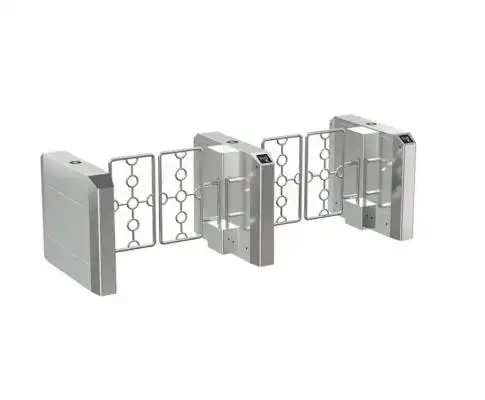
- Requirement: Wide swing gates (or specialized wide flap barriers) are legally mandated alongside standard lanes for accessibility.
My Experience: "I've seen major metro systems undertake massive projects to replace aging tripods with flap barriers at their busiest downtown stations. The primary driver? Throughput. The ability to move passengers onto platforms faster during the morning peak directly translates to fewer train delays and a better passenger experience. However, for their suburban stations, the cost-benefit analysis often still favors the rugged reliability of the tripod."
How Does a Smart Hub Gate Handle Different Fare Media?
Smart hub gates utilize integrated multi-format readers capable of processing the diverse range of fare media used in modern transit. This typically includes contactless smart cards (like Oyster or Clipper), mobile apps using NFC or displaying QR codes, traditional paper tickets with barcodes, and increasingly, direct contactless payments with bank cards (cEMV).
Flexibility is key for public transit:
- Contactless Smart Cards: Still the backbone of many systems (e.g., stored value cards, monthly passes). Readers use RFID/NFC (13.56 MHz).
- Mobile Ticketing: Rapidly growing. Gates need both NFC capability (for tapping phones/watches) and high-speed optical scanners (for QR codes displayed on phone screens).
- Paper Tickets: Still used for single fares or occasional travelers. Gates need reliable barcode scanners. Magnetic stripes are largely obsolete but might exist in legacy systems.
- Contactless EMV (cEMV): "Open-loop" payments allowing passengers to tap their bank card or bank card app directly at the gate. This requires certified readers and complex integration with payment processors but offers maximum convenience.
The gate's reader assembly often combines multiple technologies into one unit to handle this variety seamlessly.
Integration: Connecting Gates to the Smart Hub Ecosystem
Smart hub gates are not standalone devices; they are critical endpoints in a larger network. They connect via secure data lines to local station controllers and/or central Automated Fare Collection (AFC) servers for validation. This data stream also feeds into the hub's overall operational management platform, providing real-time passenger counts and system status.
This connectivity enables the "smartness":
- AFC Integration: Real-time validation against fare rules, balance checks, pass validity.
- Operational Data: Live data on passenger entries/exits per gate, per station, per time period is fed to operations centers. This allows staff to monitor congestion, identify issues (like a malfunctioning gate), and potentially adjust train frequencies or staffing.
- Passenger Information Systems (PIS): Gate data can help refine predicted platform crowding levels shown on PIS displays or apps.
- Security Systems: Gate alarms (forced entry, multiple passages) can be linked to CCTV cameras and central security dashboards.
Data Analytics: How Gates Fuel Smart Hub Operations
The constant stream of passage data generated by automated gates is a goldmine for transit operators. Analyzing this data provides invaluable insights into real-time passenger flow, peak travel times, popular routes (origin-destination patterns), fare type usage, and station congestion points, enabling data-driven decisions.
This data transforms operations from reactive to proactive:
- Real-Time Flow Monitoring: Operations centers can see live throughput rates at key stations. If gates at a major interchange suddenly slow down, it indicates a potential problem (congestion, faulty gate) requiring immediate attention.
- Predictive Congestion Management: By analyzing historical flow data, operators can predict when and where bottlenecks are likely to occur and proactively deploy staff or adjust service.
- Demand-Based Scheduling: Understanding passenger volumes at different times and locations helps optimize train/bus frequencies and routes to better match actual demand.
- Infrastructure Planning: Long-term data on station usage and flow patterns informs decisions about where to invest in station expansions, new gate lines, or platform improvements.
- Fare Policy Analysis: Data on the usage of different ticket types helps evaluate the effectiveness of fare structures and promotions.
Challenges in Implementing Smart Access for Hubs
Despite the benefits, implementing automated gate systems in transportation hubs faces significant hurdles. These include the high capital investment required, the complexity of integrating with often-diverse legacy ticketing systems, the physical constraints and disruption involved in retrofitting existing stations, ensuring extreme reliability in a 24/7 high-stress environment, and managing passenger education and acceptance.
- Cost: Industrial-grade turnstiles designed for millions of cycles, plus the complex AFC integration, represent a substantial upfront investment.
- Legacy System Integration: Many transit systems have evolved over decades, resulting in a patchwork of older and newer ticketing technologies. Making new gates communicate reliably with this complex backend is a major challenge.
- Station Retrofitting: Installing banks of gates often requires significant physical modifications to station layouts, including floor cutting for power/data, potentially impacting heritage structures, and needing to be done while the station remains operational.
- Reliability Demands: A gate failure during rush hour can cause immediate chaos. Systems require robust hardware, redundant connectivity, and rapid-response maintenance teams. "Five nines" (99.999%) uptime is often the goal.
- Passenger Adaptation: Introducing new fare media or gate types requires significant public outreach and education to ensure passengers understand how to use the system correctly and efficiently.
The Future: AI, Biometrics, and Frictionless Journeys
The future of access in Transportation & Smart Hubs points towards increasingly seamless and intelligent systems. AI will play a greater role in optimizing flow and security, biometrics (especially facial recognition) offer potential for faster verification, and the ultimate goal is a "frictionless" journey, potentially even eliminating physical gates in some scenarios.
- AI-Driven Crowd Management: AI analyzing video feeds and gate data will predict congestion in real-time and potentially dynamically adjust gate speeds, signage, or even train dispatch to smooth flow.
- Biometrics for Transit: Facial recognition is being piloted in some systems for registered travelers or season pass holders, offering a potential hands-free validation method. Privacy and public acceptance remain key considerations.
- "Gateless" Fare Systems (Be-in/Be-out): Using technologies like Bluetooth, UWB, or GPS tracking via smartphones, future systems might automatically detect when a passenger enters and exits the paid transit network, calculating the fare passively without requiring interaction at a physical barrier. Gates might remain as occasional "checkpoints" or for enforcement.
- Enhanced Sensor Fusion: Combining data from gates, video cameras, LiDAR, and other sensors will create a much richer understanding of station dynamics for both operational efficiency and enhanced security threat detection.
The Final Verdict: The Engine of Efficient Transit
The railway station pedestrian turnstile, evolving into an intelligent access gate, is far more than a fare collection device. It is the engine of efficiency and the guardian of safety in modern Transportation & Smart Hubs. By automating validation, controlling flow, preventing evasion, and providing crucial data, these systems are indispensable for managing the complex movement of millions.
While challenges of cost, integration, and public adoption remain, the trajectory is clear: towards faster, smarter, more connected, and increasingly frictionless access solutions. As transit authorities continue to invest in upgrading their infrastructure, these intelligent gateways will play an ever more critical role in creating public transportation networks that are not only efficient and reliable but also safe and user-friendly for all passengers. They are the essential link in creating truly smart and seamless urban mobility.
