


B2B Procurement Guide: Choosing the Right Metro Station Turnstile Supplier for Your Project
2026-06-16


Selecting a turnstile vendor for a metro station is a critical choice on a transit infrastructure development project. Factors such as very large numbers of passengers, continuous operation, diverse environmental conditions, and a high level of safety concern all mean choosing the wrong vendor may cause system failure, passenger congestion, safety concerns, and costly reconstruction.
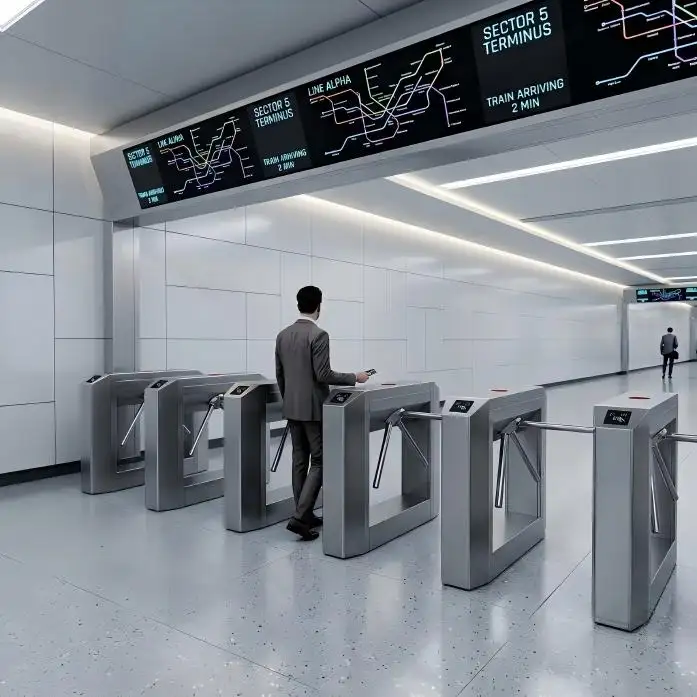
This article describes a systematic approach to the evaluation of metro station turnstile vendors. It will help procurements staff, systems integration staff, and transit authority staff to select vendors based on performance and reliability while also factoring the cost and value.
1. Determine Your Operational Needs
You should set the operational needs of your metro station environment before you assess any supplier. Until this is done you can't assess suppliers in any meaningful way.
•Passenger Throughput: For your station, identify the speed at which passengers will walk and how many turnstiles you will need (typically 30-60) based on expected passenger flow in an hour.
•Turnstile Size: Space in a metro station is often limited. Determine the available area to understand the quantity limitations to how many turnstiles can be placed in that area.
•Environmental Exposure: Turnstiles can be placed indoors, outdoors, or in sheltered areas. Determine what level of protection is required for the turnstile based on its location.
•Supported Credentials: Determine what credentials the turnstile supports and to what level they protect, for example, if they allow access with the use of RFID, biometrics, or mobile.
•Control of Passage: Determine what flow directions the turnstile(s) will allow.
2. Assess Material Quality and Durability
Turnstiles experience a great deal of contact, exposure, and stress in the metro system and the quality of the materials used affects the cost of maintenance and the length of the turnstiles' life cycle.
•Stainless Steel Grade and Thickness: Some premium metro systems have selected turnstiles made with SUS 304 stainless steel with a thickness of 1.2 mm. They strike a good balance of cost and good corrosion resistance and structural strength.
•Corrosion Resistance Testing: Good suppliers will have their materials tested in a standardized test. Good results in the ISO 9227 test will show a good resistance to corrosion and will maintain good results in a coastal or humid metro system after 2,000 hours of testing.
•Temperature Range Compatibility: Turnstiles need to be designed to operate at low and high temperatures in all metro systems. Good engineering shows a temperature range of -30 °C to +70 °C.
•Water and Dust Protection: Indoor and Outdoor Systems with Turnstiles must incorporate an ability to seal and protect from dust or water. Turnstiles with even more protection against dust and water can be deployed in areas that have rain and/or dust.
3. Assess Safety and Security Features
Metro systems are high security systems and need to maintain a lot of different protections against unauthorized users, fare evasion, and emergencies.
•Anti-Tailgating Detection: Tailgating, where an unauthorized user passes a turnstile with the help of an authorized user, is the most common failure in turnstile systems. Sophisticated turnstiles use a number of different IR sensors to determine how many users are attempting to pass a turnstile during one authorization. If more than one user attempts to pass, the system will lock the turnstile and set off an alarm.
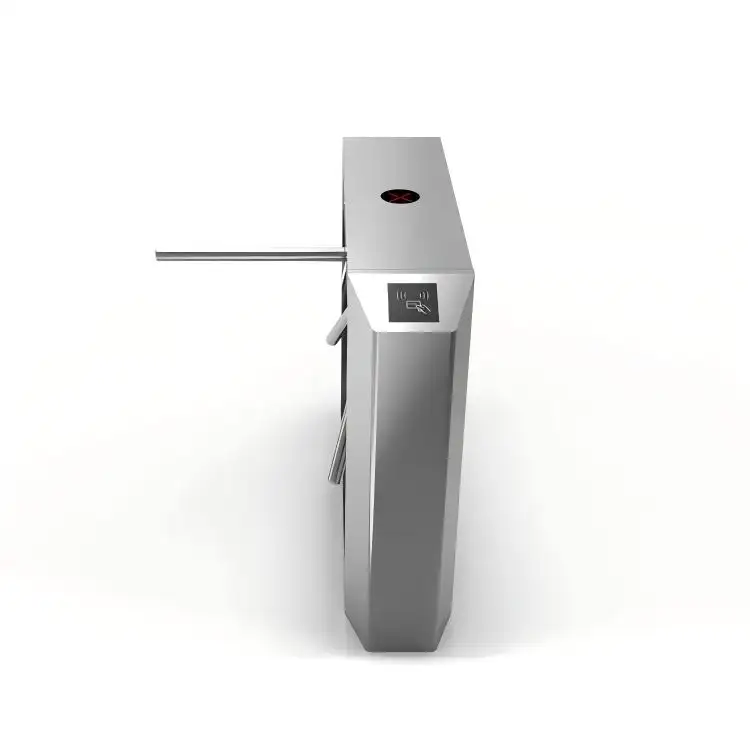
•Emergency Drop-Arm Function: To comply with fire safety regulations, turnstiles must allow people to exit unobstructed in an emergency. A quality product will feature an automatic drop-arm which allows free passage in the event of a power failure or an alarm activation.
•Anti-Collision and Anti-Pinch Protection: The locked position of the gate arm should remain undamaged in the event of external force occurring within the limits. In the case of motorized barriers, anti-pinch sensors halt mechanisms instantaneously upon detection of an obstruction.
•Intrusion Alarm Systems: An attempt to bypass the turnstile by force should activate an alarm with the sufficient time for security staff to react.
4. Verify System Integration Capabilities
Modern metro systems have many integrated components with modern ecosystems. Turnstiles integrate ticketing, access control, and building management systems.
•Multi-Method Authentication Support: Turnstiles should be able to integrate RFID, QR, fingerprint, and facial recognition systems without the need for additional components for each method.
•Standard Communication Protocols: Ensure systems will support RS485, TCP/IP, Wiegand, and dry contact as these will promote inclusivity of systems in the future.
•Real Time Data Reporting: Passage, alarm, and event data should be available through a central system.
•Remote Configuration and Monitoring: Suppliers should be able to adjust the security level and the time for which a door remains open and other related settings without having to be present on site.
5. Evaluate Suppliers' Credentials and Experience
Besides product related aspects, the supplier's capacity also plays a large role in project success.
•Relevant Experience: Suppliers that have been operating for a long time have a large enough client base to have developed experience. Consider verified suppliers backed with long manufacturing histories and proven deployments in metro systems.
•Supply Volume: View the annual volume of products a supplier manufactures as a potential indicator of a reduced risk for supply disruptions.
•International Certifications: Suppliers must show ISO 9001 standard certification with CE, FCC, and RoHS certifications.
•Global Service Capability: Projects for more than one country must have the capacity to reach suppliers without time boundary for all location.
6. Compare Technical Specifications Systematically
To select the most qualified suppliers, develop a consistent, systematic criteria comparison table. The table shown below may be a good starting point.
| Evaluation Criteria | What to Look For | Why it Matters |
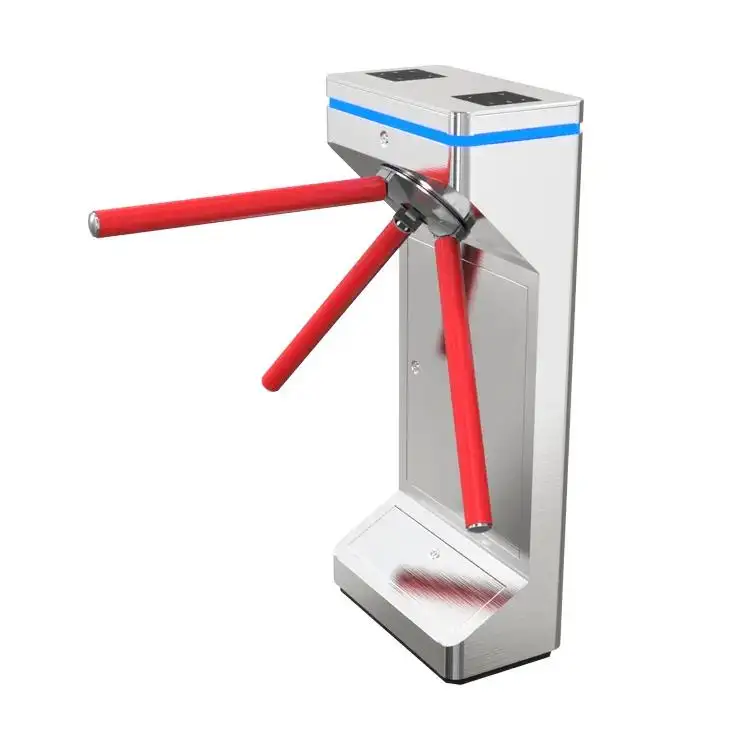
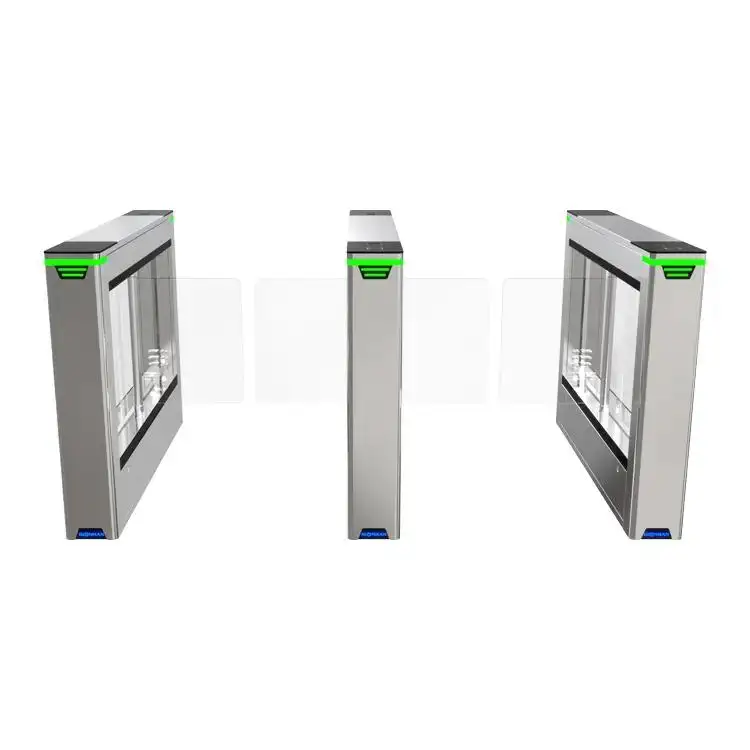
| Passing Speed | Tripods ≥30 people/min; Flap Barriers 40-60 people/min | Determines how many people can be processed in peak hours |
| Passage Width | Tripod Barriers 550-600mm, Flap Barriers Wider Available | Determines how comfortable the system is and how accessible it is |
| Power Supply | 100-240V Wide Range Input | Most standards are at 100V or 240V; wider inputs mean fewer transformers |
| Operating Temperature | -30°C to +70°C | Most climate zones are covered |
| Infrared Sensors | 6-8 pairs | Enables good anti-tailgating and safety monitoring |
| Service Life | 5-8 Million Cycles | Good indication for durability and ROI |
7. Long-Term Total Cost of Ownership
The initial purchasing price is only a small fraction of the total price. Total costs need to include the cost of maintenance and downtime, and the cost of energy during use.
•Modular Design for Maintenance: Turnstiles with modular components are easier to repair and cause less downtime. Suppliers who offer subassemblies that can be replaced easily will cause less downtime.
•Low-Power Operation: Turnstiles that use less energy will cause less cost for electricity over the lifetime of the turnstile.
•Availability of Spare Parts: Confirm that the supplier can stock parts for a reasonable time.
•Warranty and Support Terms: Review the length of the support and warranty terms and the timeframe in which support is expected.
Summary: A Structured Selection Process
Used in the procurement of turnstiles for metro stations, the following methodical approach needs to be adopted.
- Requirements based on passenger volumes, the operating environment, and integration, must be formulated
- Supplier's ability to meet requirements must be tested via the quality of materials and test certification
- Safety features must include anti-tailgating, emergency drop-arm, and intrusion detection
- Turnstiles must support integration of multi-method authentication and system connectivity
- Review supplier credentials and check their experience, certifications, and ability to meet production demands.
- Technical specifications must be compared in a structured approach.
- Total cost of ownership must be calculated, as compared to the purchase price.
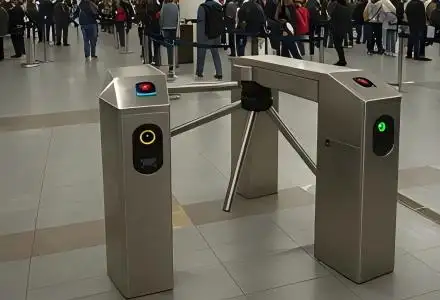
Suppliers like IRONMAN Intelligent fit complex demands for metro stations. They have 12 years in the industry and also focus on high-end pedestrian turnstile equipment. They have numerous international recognitions and certifications (ISO 9001, CE, FCC, and RoHS). Demands for metro stations require high engineering and design focus. Their solutions feature reinforced stainless steel, multi-sensor anti-tailgating, and emergency drop-arms that help combat traffic, along with a variety of other integrations which pertain to the needs of a modern, busy, and functional environment.
This evaluation framework ensures a turnstile supplier will be trusted, safe, and a good long-term investment, thus allowing stations to operate efficiently and effectively for many years.
Frequently Asked Questions (FAQs)
Q1: Which certifications should a trustworthy metro station turnstile manufacturer have?
A: The more the certifications, the better the chances of having a quality product. Recommended certifications are ISO 9001 (quality), CE (European safety), FCC (US compliance), RoHS (environmental), CCC (China compulsory). These certifications show the quality of the product and the manufacturer's willingness to participate in the global marketplace.
Q2: How do I know the correct number of turnstile lanes to have in my metro station?
A: The number of turnstile lanes is determined based upon the number of peak-hour passengers (30–60 passengers per lane per minute). The area of the station concourse and anticipated ridership growth should also be considered.
Q3: Can the turnstile be integrated with my AFC (automatic fare collection) system?
A: Integration is possible. Standard communication protocols and various credential types are offered by reputable suppliers. Thus, turnstiles can be integrated to any existing AFC system.
Q4: What is the expected lifespan of metro turnstiles?
A: Quality turnstiles can last as long as 8–10 years with proper maintenance. They are expected to withstand 5–8 million passage cycles.
Q5: Can these turnstiles be used at outdoor metro entrances?
A: Yes. Turnstiles having a temperature range of -30°C to +70°C are reliable and can be used in rainy, snowy, and highly hot weather.
