


School Turnstile Gate: Which Gate Type Fits Your School, Student Age Group, and Safeguarding Requirements
2026-04-03


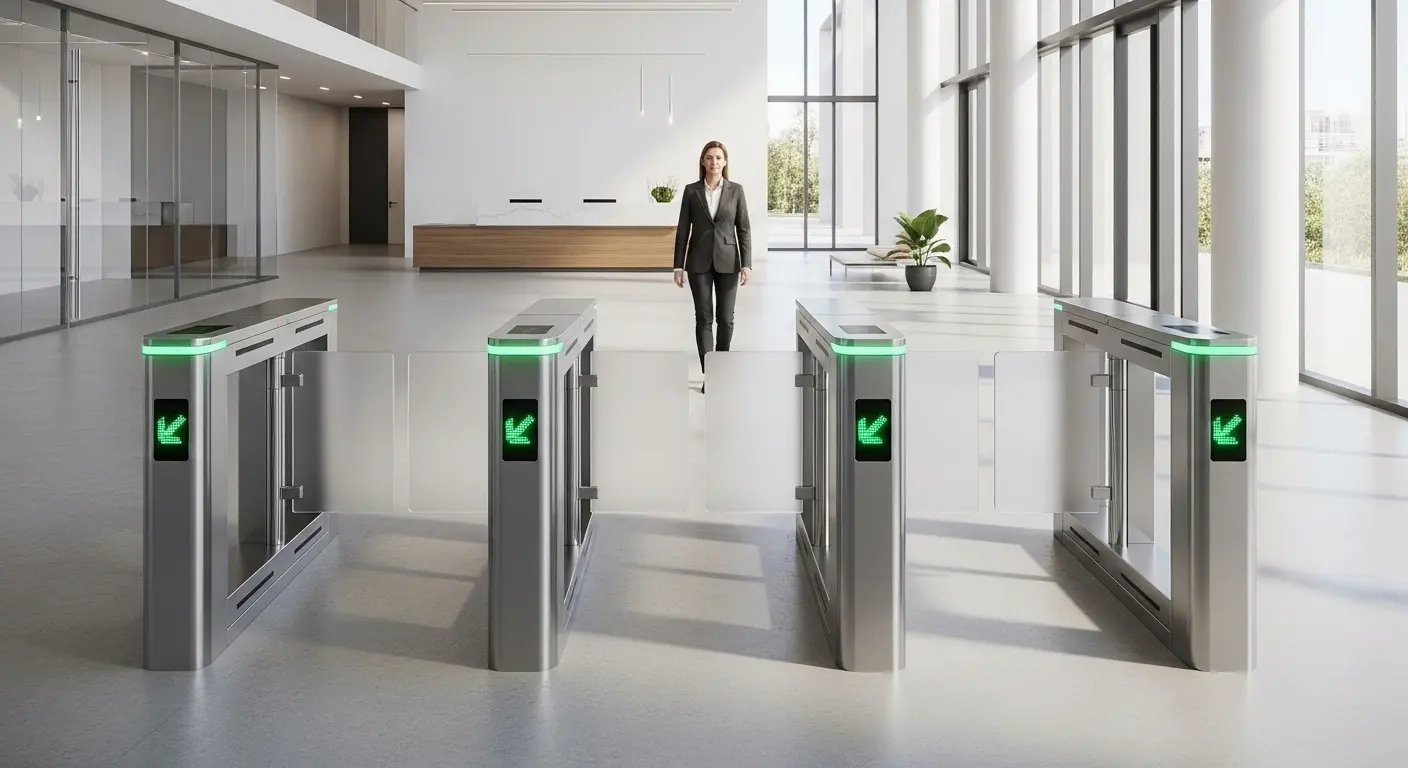
For most school entrances, the right school turnstile gate depends on three things: the school type, the student age group, and the morning arrival headcount. Flap barriers handle secondary school and international school main entrances at 40–60 ppm per lane. Heavy-duty tripod turnstiles handle primary school entrances at 25–35 ppm per lane at a lower cost per gate.
Morning arrival lane count formula: total arriving students ÷ 15-minute peak window ÷ gate ppm = lanes needed. For biometric credentials on any gate serving students under 18, written parental consent is required under GDPR Article 9 before the system goes live.
This guide gives school principals, facilities directors, designated safeguarding leads (DSLs), and EPC contractors a gate type comparison table, a school type scenario matching section, morning arrival planning, student credential options by age group, visitor management workflow, safeguarding context, and a direct path to a factory-direct quote. For the full Ironman school and university gate range, دەست پێبکە بەturnstile gate solutions for schools and universities page.
School Turnstile Gate Types — Compared on School-Specific Criteria
Four gate types cover the main school entrance requirements. Each fits a different school type and security level. The table below compares them on the criteria that matter for a school specification.
| جۆری دەروازە | ڕێڕەو | Weather Rating | Safeguarding | بڕواپێدان | Best School Entrance | مەودای یەکە |
|---|---|---|---|---|---|---|
| Heavy-Duty Tripod | 25–35 پی پی ئێم | IP44–IP54 | Mechanical one-per-cycle | RFID, بارکۆد, دەم و چاو | Primary school, budget-constrained | $200–1,400 دۆلار |
| بەربەستی لێدان | 40–60 پی پی ئێم | IP44–IP54 | هەستەوەر + زەنگدار | RFID, بارکۆد, دەم و چاو | Secondary school, international school | $450-3,000 دۆلار |
| Glass Sliding Speed Gate | 50–80 پی پی ئێم | IP42–IP44 | هەستەوەر + زەنگدار | RFID, دەم و چاو, ئێن ئێف سی | University/college admin or library | $1,300–8,000 دۆلار |
| خولای پڕ بەرزی | 15–25 پی پی ئێم | IP54–IP65 | Physical cage | RFID, بایۆمەتری | Restricted campus zones only | $600–4,000 دۆلار |
Tripod and Flap Barrier — Standard School Entrances
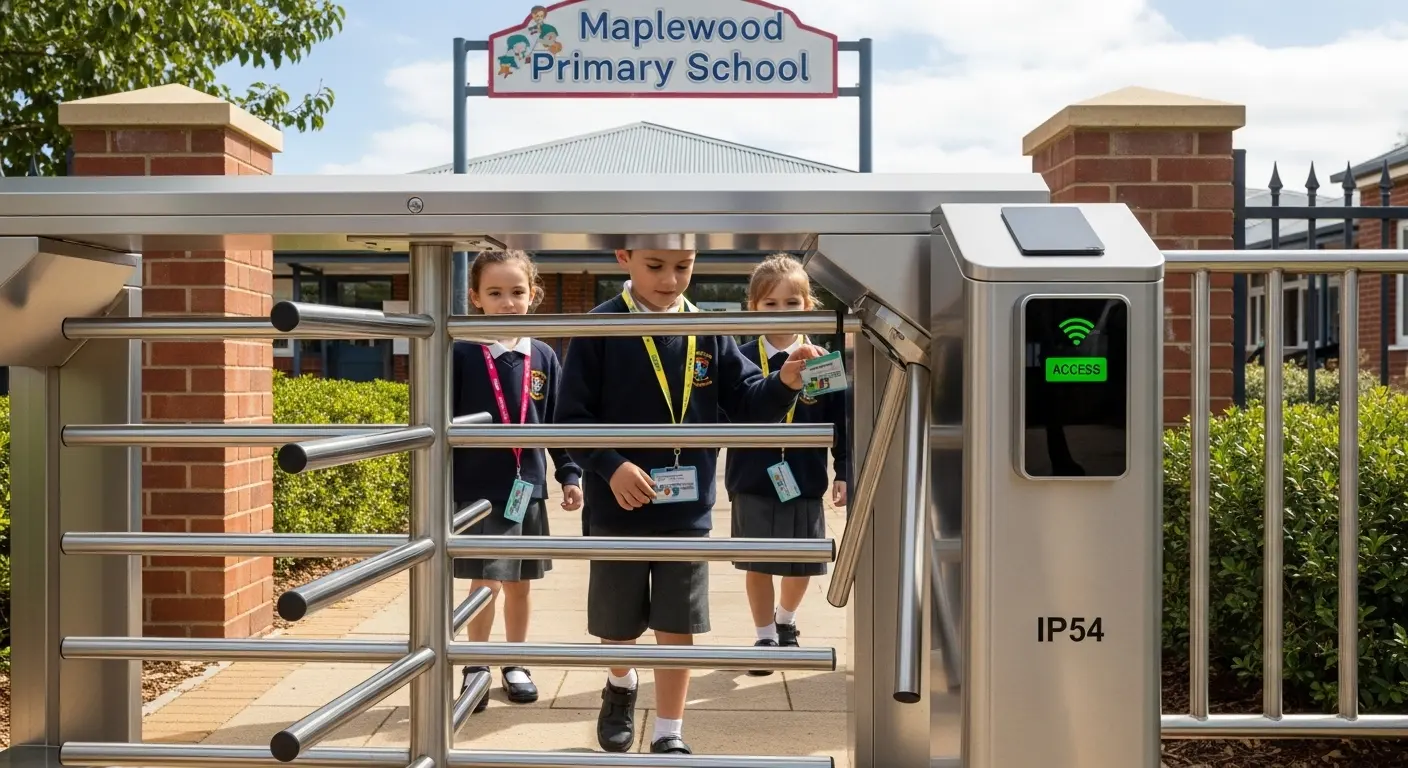
A heavy-duty tripod turnstile is the most widely deployed school entrance gate globally. It mechanically enforces one-person-per-credential entry, rates at IP44–IP54 for covered outdoor school gate positions, and costs $200–$1,400 per lane. This makes it the standard specification for primary schools and budget-constrained secondary school entrance projects. Tripod throughput of 25–35 ppm per lane handles most primary and smaller secondary school morning arrival volumes with 2–3 lanes.
Flap barriers are the right upgrade for secondary schools and international schools with larger morning arrival populations. At 40–60 ppm, a flap barrier delivers nearly double the throughput of a tripod in the same lane width. This reduces the morning arrival queue without requiring extra lanes.
Speed Gate and Full Height — University and Restricted Zones
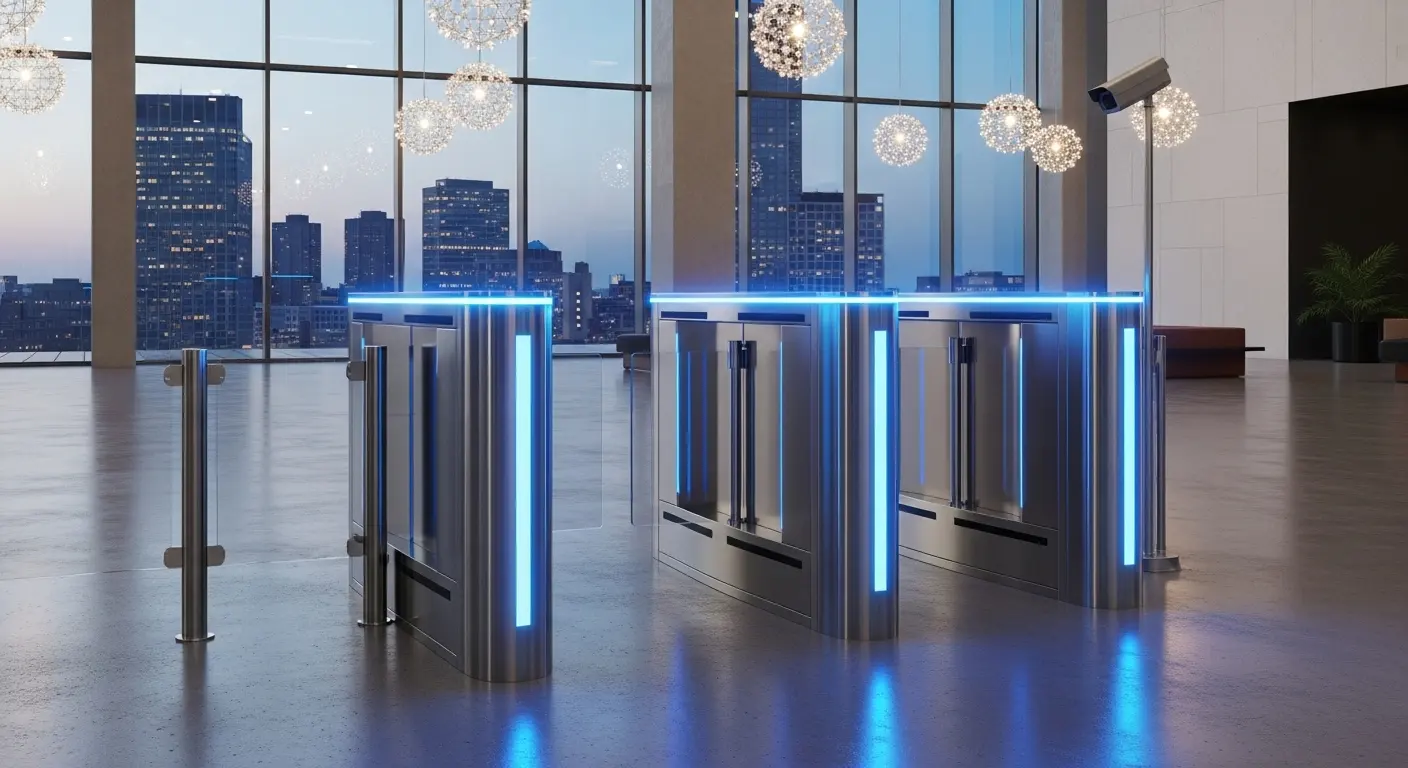
Glass sliding speed gates suit university and college building entrances — particularly the library, admin block, and student union, where throughput of 50–80 ppm handles the between-lecture surge. For the Ironman university-grade configuration, ببینەglass sliding gate turnstile product page.
Full height turnstiles are reserved for restricted campus zones — boarding school dormitory entrances and exam hall restricted access points. They are not appropriate for a standard school main entrance. Their throughput is too low, and their physical profile creates an unsuitable environment for young students.
Match Your School Turnstile Gate to Your School Type
Gate type must match the school type and student age group — not just headcount. The table below gives a direct recommendation per school type.
| School Type | Recommended Gate | ڕێڕەوەکان | بڕواپێدان | پێداویستی کلیل |
|---|---|---|---|---|
| Primary school | Heavy-duty tripod | 2–4 | RFID wristband or card | Safeguarding, simple credential, low cost |
| Secondary school | بەربەستی کڵاوەکان | 2–6 | کارتی RFID یان ناسینەوەی دەموچاو | توانای بەرز, دژە دواوە |
| International school | بەربەستی فلاپ یان دەروازەی خێرایی | 2–6 | RFID, دەم و چاو, بارکۆد | Visitor management, multi-language |
| University / college | دەروازەی خێرایی یان بەربەستی فلاپ | 2–8 | Student ID, ئێن ئێف سی, دەم و چاو | فرەناوچە, library integration |
| Boarding school | بەربەستی کڵاوەکان (main) + بەرزی تەواو (dorm) | 2–4 | RFID یان بایۆمەتری | 24/7 نەشتەرگەری, after-hours lockdown |
Primary and Secondary Schools
Primary schools need the simplest credential a young child can use reliably under the social pressure of a morning rush. An RFID card worn on a lanyard or an RFID wristband tag works without the child needing to stop, orient a card, or wait for facial recognition. Based on our primary school deployment experience, the RFID card lanyard at 30–35 mm read range is the most reliable primary school credential — the student walks through the tripod lane without breaking stride.
Secondary schools drive toward flap barriers rather than tripod turnstiles. The throughput difference matters when 800 students arrive in 20 خولەک. لە 30 ppm per tripod lane versus 50 ppm per flap lane, a secondary school needs fewer flap barrier lanes to clear the same arrival volume. Face recognition at secondary school entrances is growing in international deployments — it removes card dependency and biometrically links the entry event to a verified identity.
International Schools and Universities
International schools need a gate system that handles a higher daily volume of parent traffic, multiple language interfaces, and barcode or QR visitor passes. A flap barrier with a barcode/QR reader at the visitor lane — and RFID card or face recognition at the student lanes — covers all three from one gate position. For the barcode credential configuration used in international school visitor management deployments, ببینەbarcode turnstile gate page.
University and college campuses need a multi-zone gate strategy. A speed gate at the main student entrance handles the peak lecture-change surge. Flap barriers at faculty and admin building entrances handle lower but continuous staff and visitor traffic. For a real university campus deployment, پیاوی ئاسنین ببینەsmart campus case study.
School Turnstile Gate Safeguarding — What the Gate Must Do
A school turnstile gate supports safeguarding by performing three functions automatically — without relying on staff awareness or manual monitoring at the gate.
Three Safeguarding Functions Every School Gate Must Perform
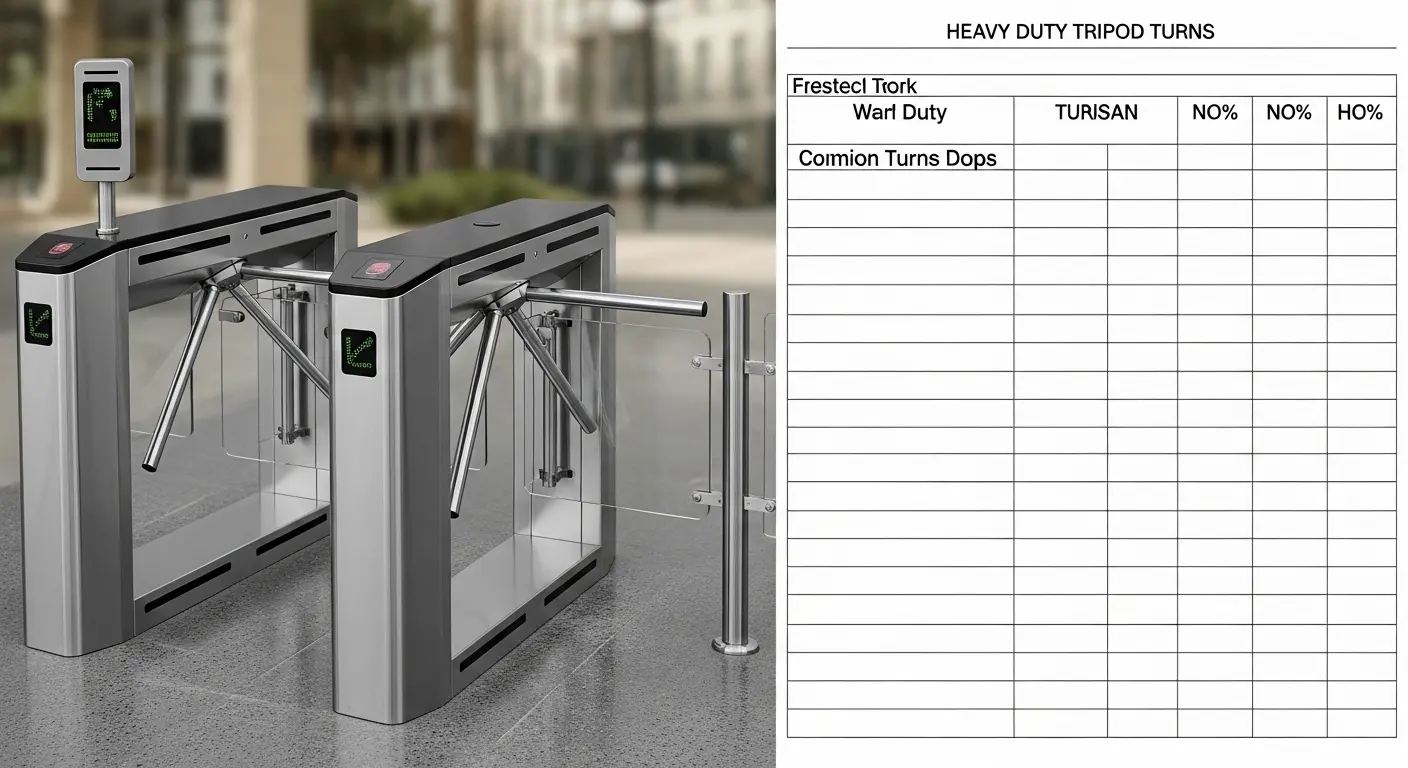
One-person-per-credential entry: The gate mechanically or sensor-enforces a single authorized credential per gate cycle. No valid credential means no entry. An unauthorized adult cannot follow a student through the gate without triggering an alarm.
Timestamped entry audit trail: Every entry event logs a timestamp and credential identity. This creates the entry record required by safeguarding review processes. It also supports post-incident investigation for any access-related welfare concern.
Visitor management separation: Visitors — parents, بەڵێندەرەکان, and delivery personnel — do not use the student credential lane. They use a separate visitor pass channel that requires prior check-in with reception, ID presentation, and a time-limited credential issued only after registration.
Safeguarding Compliance Context
Under the UK's Keeping Children Safe in Education (KCSIE) framework, schools must manage site access and protect students from unauthorized contact. A school turnstile gate with the three functions above provides the physical access control layer that supports this requirement at the entrance.
For the library and campus zone access deployment that extends this safeguarding model across a full campus, پیاوی ئاسنین ببینەلێکۆڵینەوەی کەیسی دەروازەی سوڕانەوەی کتێبخانە.
Morning Arrival Throughput Planning for School Turnstile Gates
Under-specifying lane count is the most common school turnstile gate specification error. A street-level arrival queue at the school entrance is itself a safeguarding exposure — students wait unsupervised on a public pavement within sight of the school gate.
Morning Arrival Lane Count Formula:
Lanes = Total arriving students ÷ Arrival window (خولەک) ÷ Gate ppm
نموونە 1 — Primary school, 400 قوتابیان, tripod at 30 پی پی ئێم, 20-minute window:
400 ÷ 20 = 20 entries/minute. 20 ÷ 30 = 0.67 lanes → 2 tripod lanes (including one spare for the peak).
نموونە 2 — Secondary school, 800 قوتابیان, flap barrier at 50 پی پی ئێم, 15-minute window:
800 ÷ 15 = 53 entries/minute. 53 ÷ 50 = 1.07 lanes → 2 flap barrier lanes plus 1 visitor lane.
| School Size | Arriving Students | Window | جۆری دەروازە | Lanes Required |
|---|---|---|---|---|
| Small primary | 200 | 20 کەمترین | سێپایە | 1 + میوان |
| Medium primary | 400 | 20 کەمترین | سێپایە | 2 |
| Large secondary | 800 | 15 کەمترین | بەربەستی کڵاوەکان | 2 + میوان |
| International school | 1,000 | 20 کەمترین | بەربەستی کڵاوەکان | 2–3 + میوان |
| University building | 1,500 | 10 کەمترین | دەروازەی خێرایی | 3–4 |
Based on our campus deployment analysis, 85% of students arrive within the first 15–18 minutes of the arrival window. بەکارهێنان 15 minutes as the planning figure for secondary schools and universities where late arrival patterns are less consistent.
Student Credential Options by Age Group
Credential type must match the student's age and motor skill level — not just the school's technology preference. A biometric face recognition system that works perfectly for a 16-year-old creates real operational problems for a 6-year-old during a busy morning arrival.
| Age Group | Recommended Credential | Reason | GDPR Note |
|---|---|---|---|
| Primary (5–11) | RFID card lanyard or RFID wristband | باوەڕپێکراو, no dexterity issue, no biometric data stored | No consent needed |
| Secondary (11–18) | کارتی RFID یان ناسینەوەی دەموچاو | Card is standard; face recognition adds biometric identity link | Biometric = GDPR Art. 9 — written parental consent required |
| University / college | Student ID card (NFC/RFID), مۆبایل NFC, کیو آر | Students manage their own credentials | Student consent (18+) is sufficient |
⚠ GDPR Note: Biometric data — fingerprints and facial recognition templates — is special category data under GDPR Article 9 (ئێمە) and UK GDPR (ICO). For students under 18 in the UK, written parental consent is required before any biometric credential system goes live. Schools that deployed biometric systems without obtaining consent have been required by the UK ICO to remove or suspend the system. Confirm consent documentation is complete before specifying biometric credentials for any school gate serving students under 18.
For the automatic tripod turnstile with RFID credential configuration used in primary and secondary school standard deployments, ببینەautomatic tripod turnstile product page.
School Visitor Management Through a Turnstile Gate
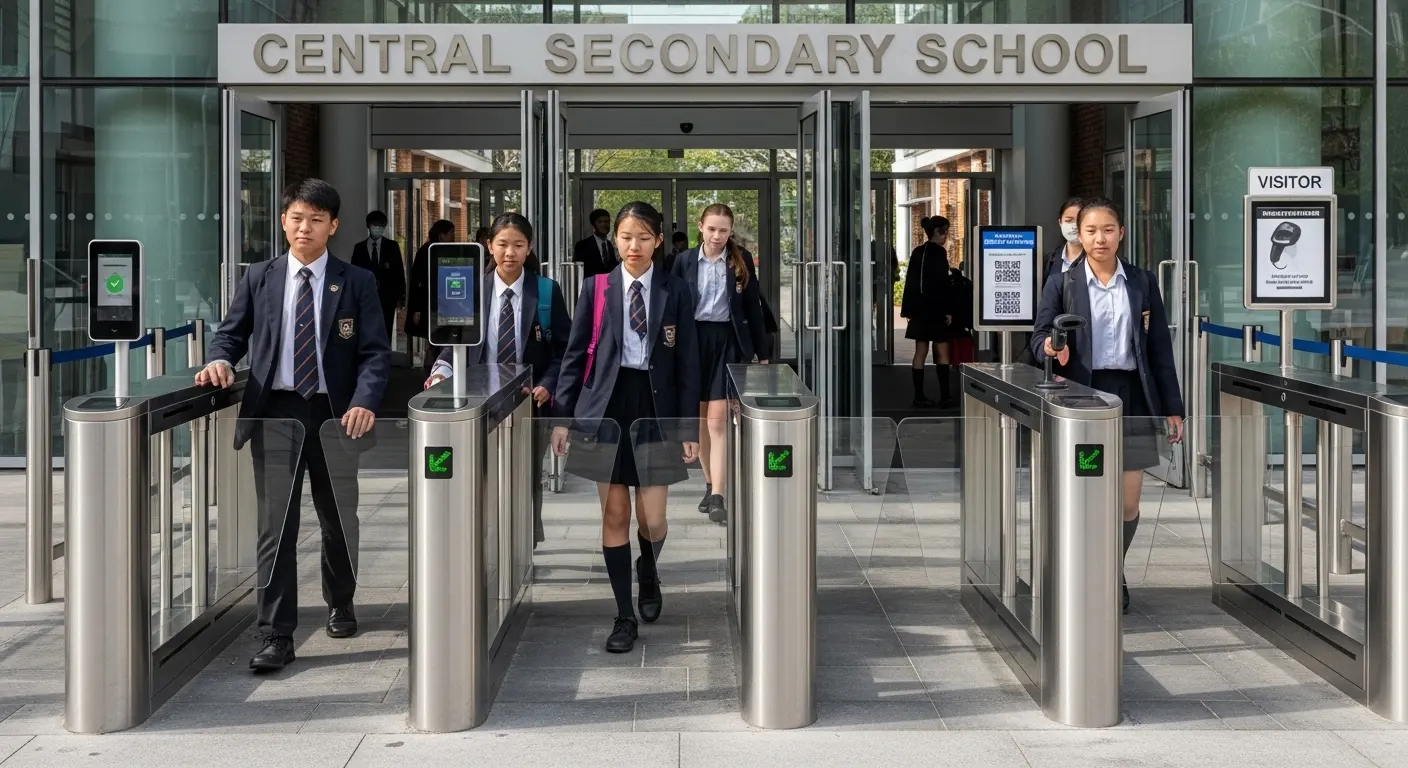
Visitor management at a school turnstile gate requires a separate lane and a separate credential channel. Parent and visitor traffic must never mix with the student credential flow during arrival and dismissal peaks.
Four-Step Visitor Management Workflow
- Pre-registration: The visitor books or receives an invitation in advance. The receptionist pre-registers the visit in the access control system, generating a time-limited QR code or barcode visitor pass.
- Reception check-in: لە کاتی گەیشتندا, the visitor presents government-issued ID at reception. The school checks the ID against its banned persons list and, in many deployments, against national sex offender registries per K–12 visitor management best practice.
- Visitor pass issued: A printed or mobile QR/barcode visitor pass is issued — valid only for the visit window, بۆ نموونه 09:00–11:00 on that day.
- Turnstile gate access: The visitor presents the QR/barcode pass at the visitor lane reader on the school turnstile gate. The gate validates the pass against the time window and grants a single-entry access event.
Based on our international school deployment experience, QR code visitor passes remove the card management overhead at scale. The visit registration system generates and sends the pass to the visitor's mobile. The gate validates it on arrival without any staff involvement at the gate position itself.
Getting a Factory-Direct Quote for Your School Turnstile Gate
Four items are sufficient for a full itemized factory-direct quote within 12 کاتژمێرەکانی کار.
- Define your school type and student population: primary / secondary / international / زانکۆ + total enrollment and morning arrival headcount per entrance
- ژماردنی ژمارەی هێڵەکانت: total arriving students ÷ 15-minute window ÷ gate ppm = lanes, plus one visitor management lane per entrance
- Confirm credential type and GDPR status: RFID for primary, RFID or biometric for secondary — confirm parental consent documentation is in place before specifying biometric credentials for students under 18
- پوختەی پرۆژەکەت بنێرە: سەردانی پەڕەی دەروازەی کۆنتڕۆڵی چوونە ژورەوەی زانکۆ — receive a factory-direct itemized quote within 12 کاتژمێرەکانی کار, لەگەڵ CE, ISO9001, ئێف سی سی, and RoHS certification documents included
پرسیارە دووبارە کراوەکان
پرسیار 1: What type of turnstile is best for a school entrance?
For a primary school main entrance, a heavy-duty tripod turnstile is the standard specification — mechanically enforces one-person-per-credential entry, IP44–IP54 for covered outdoor positions, and costs $200–$1,400 per lane. For a secondary school or international school main entrance, a flap barrier is the better specification — 40–60 ppm throughput handles 800–1,000 students in a 15–20 minute morning arrival window more reliably than a tripod without adding extra lanes. For university and college building entrances, a glass sliding speed gate at 50–80 ppm handles the between-lecture surge while presenting a modern, low-barrier profile suited to an adult student population.
Q2: How does a school turnstile gate help with safeguarding?
A school turnstile gate supports safeguarding by physically enforcing one-person-per-credential entry — an unauthorized adult cannot follow a student through the gate without triggering an alarm. Every entry event is logged with a timestamp and credential identity, creating the audit trail required by safeguarding review processes. Visitor access is managed through a separate lane using a time-limited QR or barcode visitor pass, issued only after ID registration at reception. Under the UK's KCSIE framework, this physical access control layer satisfies the requirement to manage site access and protect students from unauthorized contact.
Q3: What credential should a school turnstile use for primary school students?
Primary school students aged 5–11 should use an RFID card lanyard or RFID wristband as their school turnstile credential. These work at 30–35 mm read range — the child walks through the tripod lane without stopping or orienting the card. Biometric credentials (پەنجەمۆر, ناسینەوەی دەموچاو) are not recommended for primary school students for two reasons: they store biometric special category data requiring written parental consent under GDPR Article 9, and the processing time for young children is less consistent than RFID during high-pressure morning arrival conditions.
پرسیار 4: How many turnstile lanes does a school need for the morning arrival rush?
Use this formula: total arriving students ÷ peak arrival window (خولەک) ÷ gate throughput (پی پی ئێم) = lanes. For a secondary school with 800 قوتابیان, a 15-minute arrival window, and flap barriers at 50 پی پی ئێم: 800 ÷ 15 = 53 entries/minute ÷ 50 ppm = 1.1 lanes — specify 2 flap barrier lanes plus 1 visitor lane. For a primary school with 400 قوتابیان, a 20-minute window, and tripods at 30 پی پی ئێم: 400 ÷ 20 = 20 entries/minute ÷ 30 ppm = 0.67 lanes — specify 2 tripod lanes. Always add one visitor management lane separate from the student credential lanes.
Q5: Does GDPR apply to biometric turnstile gates in schools?
بەڵێ. Biometric data — fingerprints and facial recognition templates — is classified as special category data under GDPR Article 9 (ئێمە) and UK GDPR as administered by the ICO. For students under 18 in the UK, written parental consent is required before any biometric credential system is deployed at a school turnstile gate. Schools that deployed biometric systems without parental consent have been required by the UK ICO to remove or suspend the system following a data protection complaint. For students aged 18 و لەسەر (university/college), the student's own written consent is sufficient.
Q6: How do you manage parent and visitor access through a school turnstile gate?
Visitor management at a school turnstile gate requires a dedicated visitor lane with a barcode/QR reader, separate from the student RFID credential lanes. The process follows four steps: pre-registration by the school's reception team, ID check against the school's banned persons list and sex offender registry on arrival, issuance of a time-limited QR/barcode visitor pass, and gate validation of the pass at the visitor lane reader. The pass is valid only for the pre-registered visit window. This keeps visitor traffic out of the student credential flow during arrival and dismissal peaks and maintains the safeguarding audit trail for every visitor entry event.
Three Decisions That Define Your School Turnstile Gate Specification
Gate type matched to school type and student age, morning arrival lane count calculated from the throughput formula, and GDPR parental consent documentation confirmed before biometric system go-live — these three decisions determine whether a school turnstile gate satisfies both the safeguarding brief and the operational brief on the first day of term.
Ironman manufactures factory-direct school turnstile gates for primary schools, secondary schools, international schools, حەرەمی زانکۆکان, and boarding schools across 50+ وڵاتان. Submit your school type, student headcount, and entrance brief via the turnstile gate solutions for schools and universities page for a full factory-direct itemized quote within 12 کاتژمێرەکانی کار.
